×

Energy Revolution in Data Centers: The Future of Cooling Is Being Written Now
In the digital age, every click, every search, every AI query is part of a story. But what lies behind these stories? Massive data centers, servers running around the clock, and silently flowing energy. Today, I want to talk about how this energy is being transformed, conserved, and — more importantly — how it is shaping the digital infrastructure of the future. Let's start with a simple question: everything is getting smarter, but are we?
Take a moment and think: artificial intelligence, cloud computing, IoT… All of these come to life inside data centers. But this digital explosion has a cost. Approximately 40–50% of a data center's total energy consumption goes to cooling systems. Yes, you heard that right — nearly half.
As of 2025, data centers consume approximately 3% of the world's electricity and are responsible for 2% of global greenhouse gas emissions — comparable to the aviation industry. Projections show that by 2030, this consumption will double.
[Image: Energy consumption infographic — AI-generated image]
Power Usage Effectiveness (PUE) is the global standard for measuring data center energy efficiency. A lower PUE means higher efficiency. Here is where the industry stands:
·Global average: 1.56–1.57
·Efficient facilities target: 1.2–1.3
·Leading facilities: 1.03–1.10 (pioneers like Google and NREL)
Google's 2024 performance is a success story: their global fleet average PUE reached 1.09 — falling below 1.10 for the first time in six years. Some U.S. facilities achieve as low as 1.08. This translates to 84% less overhead energy compared to the industry average.
Every 0.1-point reduction in PUE means millions of dollars in annual energy savings at large-scale data centers. This is why sustainability is not just a slogan — it is an economic necessity.
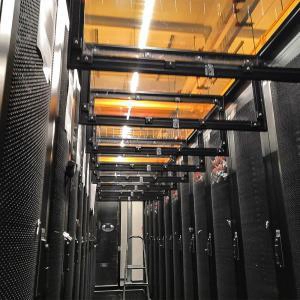
Traditional air cooling is still widely used. However, it is now applied more intelligently using optimized methods such as hot-aisle/cold-aisle containment design, which directs cold air to the front of servers and hot air to the rear, preventing mixing and improving efficiency.
Free Cooling: When outdoor temperatures are suitable, the need for mechanical cooling drops dramatically. In cold climates especially, free cooling can increase energy savings by up to 90% and reduce cooling costs by 70%.
Adiabatic Cooling: Based on evaporative cooling principles, this technology is highly effective in hot and dry climates.
With the rise of AI and high-performance computing (HPC) workloads, traditional air cooling has reached its limits. The heat density generated by AI servers demands a new paradigm. In 2024, liquid cooling accounted for 46% of the data center cooling market, expected to reach 47% in 2026. The immersion cooling market is booming: valued at $286.8M–$1.52B in 2024, it is projected to reach $1B–$8.5B between 2030 and 2034, with annual growth rates of 18–24%.
Why liquid cooling? Liquids transfer heat approximately 1,000 times more effectively than air. This is critical for the 50–140 kW rack densities required by modern AI workloads. Next-generation GPUs like NVIDIA Blackwell produce over 1,200W per chip, rendering traditional air cooling inadequate.
Direct-Chip Cooling (Cold Plate): Coolant circulates through cooling plates in direct contact with CPUs and GPUs. It can manage heat fluxes exceeding 300 W/cm² and became the standard for enterprise AI deployments in 2026.
Immersion Cooling: Servers are fully submerged in dielectric fluid. Two-phase immersion systems use low-boiling-point liquids to handle heat fluxes of 1,500 W/cm² and above, nearly eliminating internal fans and significantly reducing energy consumption.
Full implementation of liquid cooling systems can:
·Reduce facility power consumption by 18%
·Lower total data center power consumption by 10%
·Improve PUE from 1.4–1.6 down to 1.03–1.2 (a 25–40% improvement)
·Reduce water usage by 80% through closed-loop systems
According to Dell'Oro Group's latest report, the global data center liquid cooling market will reach approximately $7 billion by 2029, and is expected to double to ~$3 billion as early as 2025.
Modern AI chips consume 700W–1,200W, while traditional CPUs consume only 150W–200W. An 8 GPU × 10 blade configuration means 80 kW of continuous power per rack. According to Goldman Sachs Research, data center power demand will increase by 160% by 2030, with AI workloads driving the majority of this growth.
Modern data centers are integrating AI directly into cooling systems, achieving breakthrough results. AI-driven cooling management offers three core capabilities:
Real-Time Analytics: An extensive sensor network continuously collects temperature, humidity, airflow, and equipment utilization data. The AI engine analyzes this data to build a comprehensive thermal model of the facility. Even minor anomalies can be detected before they escalate.
Dynamic Optimization: AI-controlled systems automatically and continuously adjust cooling component operations in real time, delivering exactly the right amount of cooling at the right time and location.
Predictive Capabilities: Based on historical data, workload schedules, and usage trends, AI can anticipate cooling demands in advance. Google's iCooling@AI system improves data center PUE by 8–15%.
Recovering and reusing the waste heat generated by data centers — instead of releasing it into the atmosphere — is becoming a necessity. As sustainability becomes a core KPI, heat reuse is emerging as a practical strategy to reduce environmental impact.
The 50,000 m² facility, operational since 2020, initially recovered 100,000 MWh of energy annually, heating 6,900 homes. After expansion, annual capacity reached 165,000 MWh, heating approximately 11,000 homes.
Microsoft's data centers in the Helsinki region form the world's largest waste heat recovery project, carried out in partnership with Fortum with a €225 million investment (2023–2027). The project will supply approximately 40% of the region's district heating needs, serving around 250,000 users. 75% of the waste heat generated by the data centers will be used for district heating annually. The project will save 400,000 tons of CO₂ per year — equivalent to approximately 1% of Finland's carbon neutrality targets.
Stockholm has established a global model for data center waste heat recovery. The city recovers over 100 GWh of heat annually from more than 20 suppliers, providing heating to approximately 31,000–35,000 modern apartments. The program saves 100,000 tons of CO₂ per year. The key differentiator is the business model: data center operators are paid for their waste heat. Stockholm Exergi pays approximately 2 million SEK/year per MW, using a variable pricing model based on temperature. Companies like IP-Only, Interxion, and Advania Data Centers both improve their profitability and meet sustainability targets. At Kista Data Park, 40 MW of heat is sufficient for approximately 80,000 modern apartments. Stockholm targets 100% renewable energy in district heating by 2030.
Expanded with a €1 billion investment, the facility will supply 80% of the district heating network's needs free of charge starting in late 2025. Google provides the heat to Haminan Energia at no cost.
The Tallaght District Heating Scheme — Ireland's first district heating project — uses Amazon's waste heat. In 2023, it supplied heat to 47,000 m² of public buildings, 3,000 m² of office space, and 135 apartments, saving approximately 1,400 tons of CO₂ per year. Local residents benefit from 10–15% cheaper heating. Amazon provides the waste heat for free because it reduces the energy cost of the cooling mechanism. Ireland's data center waste heat potential is equivalent to 3,579 GWh of heat per year — enough to heat 1.6 million homes.
Germany has Europe's strictest regulations on data center waste heat recovery. The Energy Efficiency Act (EnEfG), which came into force in 2023, established mandatory Energy Reuse Factor (ERF) targets:
·July 1, 2026: Minimum 10% ERF, PUE ≤1.2, 50% renewable energy
·July 1, 2027: Minimum 15% ERF, 100% renewable energy
·July 1, 2028: Minimum 20% ERF
These regulations apply to data centers with ≥300 kW IT capacity. Mandatory reporting starts January 1, 2025, due by March 31 each year. Penalty for non-compliance: up to €100,000. The EU's revised Energy Efficiency Directive (EED) requires member states to integrate waste heat into district heating networks. From October 2025, waste heat utilization is mandatory for facilities ≥1 MW (where technically and economically feasible), with detailed cost-benefit analyses and annual performance reporting required. Member states must prepare waste heat action plans by 2030.
Turkey has significant potential for data center waste heat recovery — and our advantage doesn't stop there: we also have abundant geothermal energy resources.
Turkey ranks 7th in the world in geothermal resource richness. Technical potential is estimated at 31,500 MWth (276 TWh). As of 2023:
·Installed electrical capacity: 1,691.4 MWe
·2025 target: 11,150 MWt (direct use)
·2030 target: 2,430–2,500 MWe (electricity)
·Annual growth: ~100 MW
With 170 geothermal fields across the country — Western Anatolia holding the highest potential at 78% — the Ministry of Energy and Natural Resources estimates that recovering waste heat potential could yield $650 million in annual savings and reduce carbon emissions by 10 million tons.
The geothermal district heating system implemented in Kırşehir is a successful example. During the 2023/2024 heating season, approximately 1.3 million m³ of geothermal water was used to heat 1,800 homes, with 100% reinjection achieved. Data center waste heat in Turkey could be utilized in:
·District Heating Systems: Integration into municipal or regional heating networks (heat upgraded to 60–75°C via heat pump)
·Direct Neighboring Buildings: Swimming pools, greenhouses, campuses
·Agricultural Applications: Greenhouse heating
·Industrial Processes: Industrial facilities utilizing low-temperature heat
With the growth of AI and data centers, another issue as critical as energy is emerging: water consumption. According to a Morgan Stanley report, AI data center water consumption will increase approximately 11-fold by 2028:
·2024: ~97 billion liters
·2028: 1,068 billion liters (base case)
·Scenario range: 637–1,485 billion liters
Other U.S.-based projections are even more striking: from 17 billion gallons in 2023 to 68 billion gallons by 2028 (a 300% increase). 'Never in the country's history has water demand increased this fast in such a short time,' says Klaus Reichardt, CEO of Waterless Co. At the global level, data centers consumed ~560 billion liters of water in 2024, a figure that could reach ~1,200 billion liters by 2030.
The water footprint of major tech companies is striking: Microsoft consumed 6.4 million m³ in 2022 (a 34% annual increase); Google consumed 19.5 million m³ in 2022 (a 20% annual increase). Amazon, Microsoft, and Google will increase their data center counts by 80% in the near future. Did you know? Each ChatGPT query consumes approximately 1/5 of a teaspoon of water — with over 1 billion queries per day, the total is staggering.
The Location Paradox: Many AI data centers are built in the driest regions of the country to leverage solar energy potential — placing enormous pressure on already scarce water resources. According to Bloomberg, approximately 2/3 of new U.S. data centers built or developed since 2022 are in areas with high water stress.
As rack density increases, so does water demand: 36 kW/rack average in 2023, expected to reach 50 kW/rack by 2027.
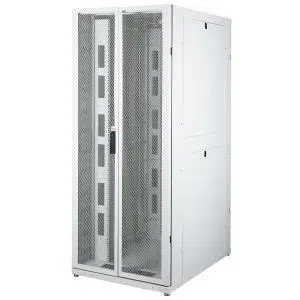
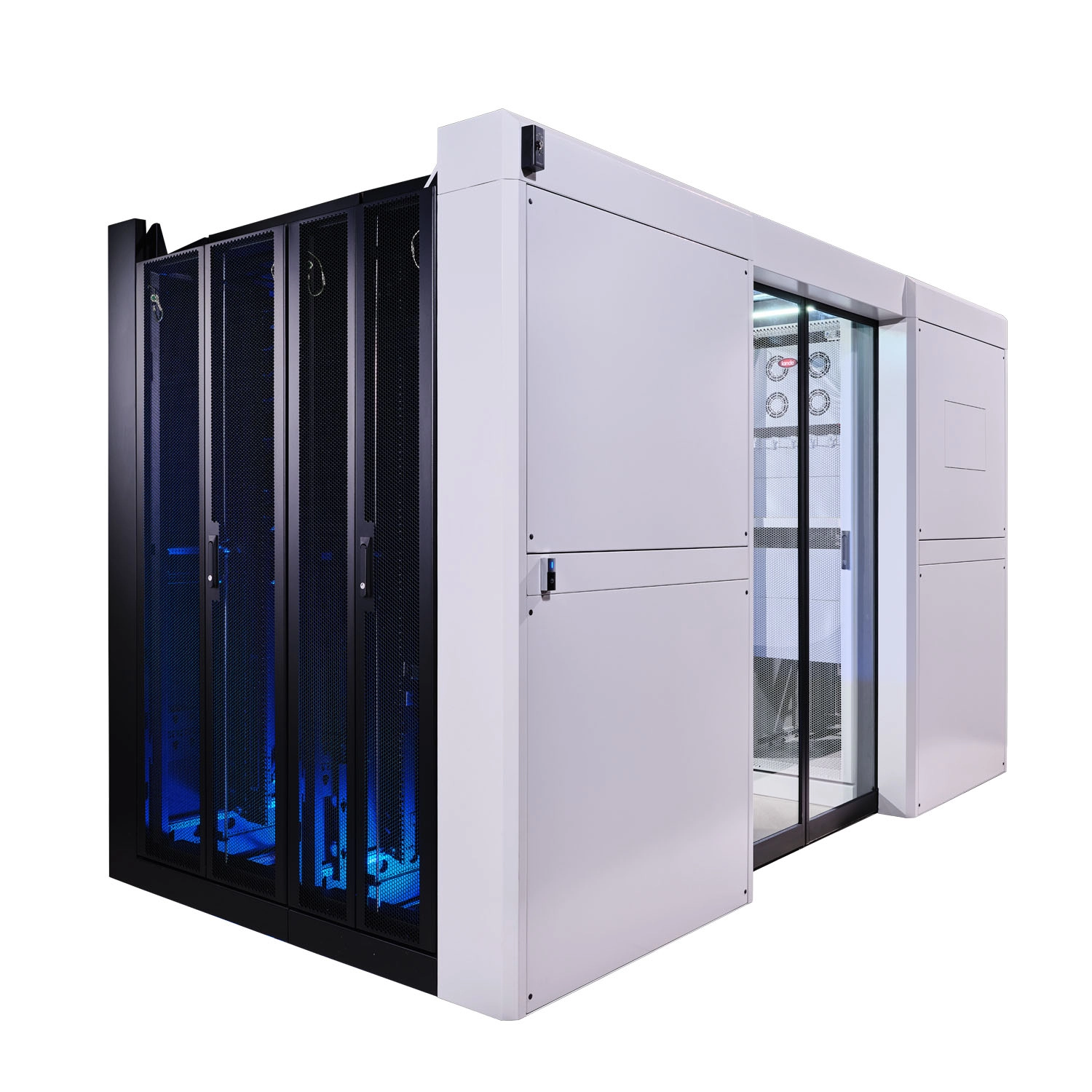
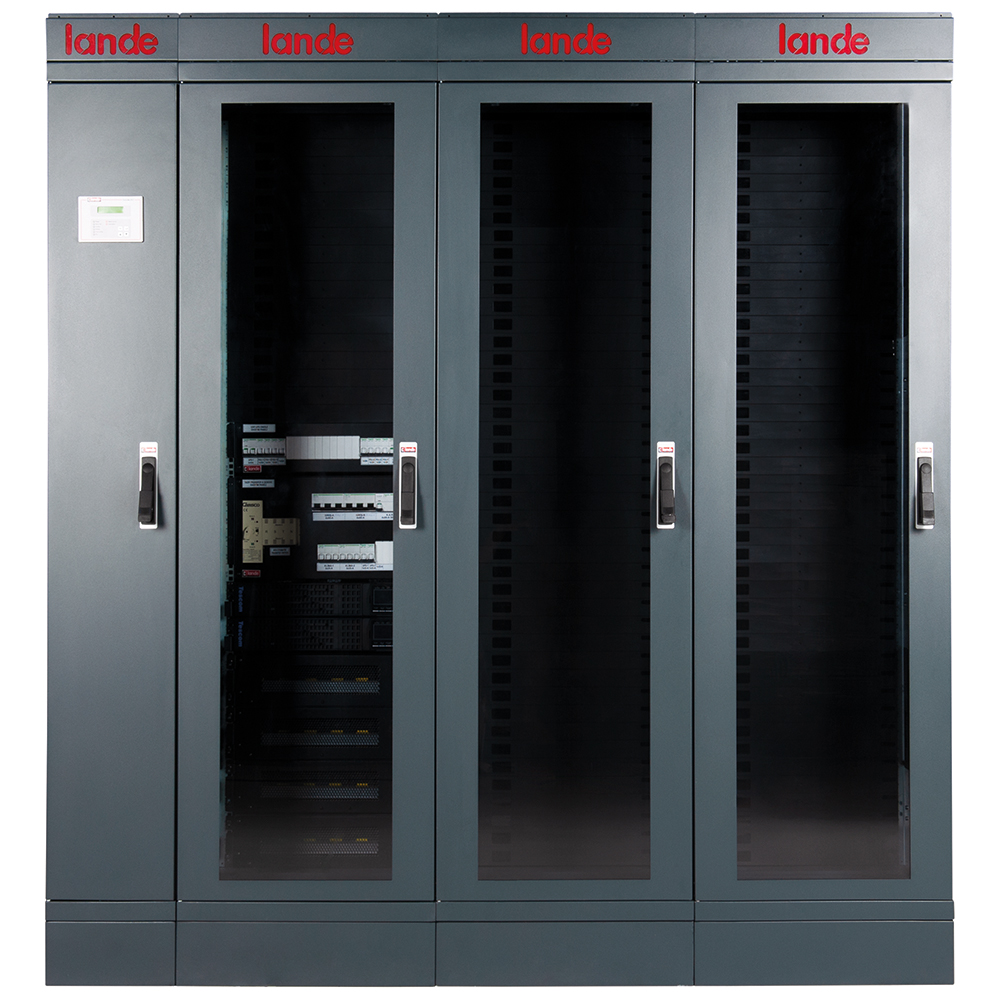
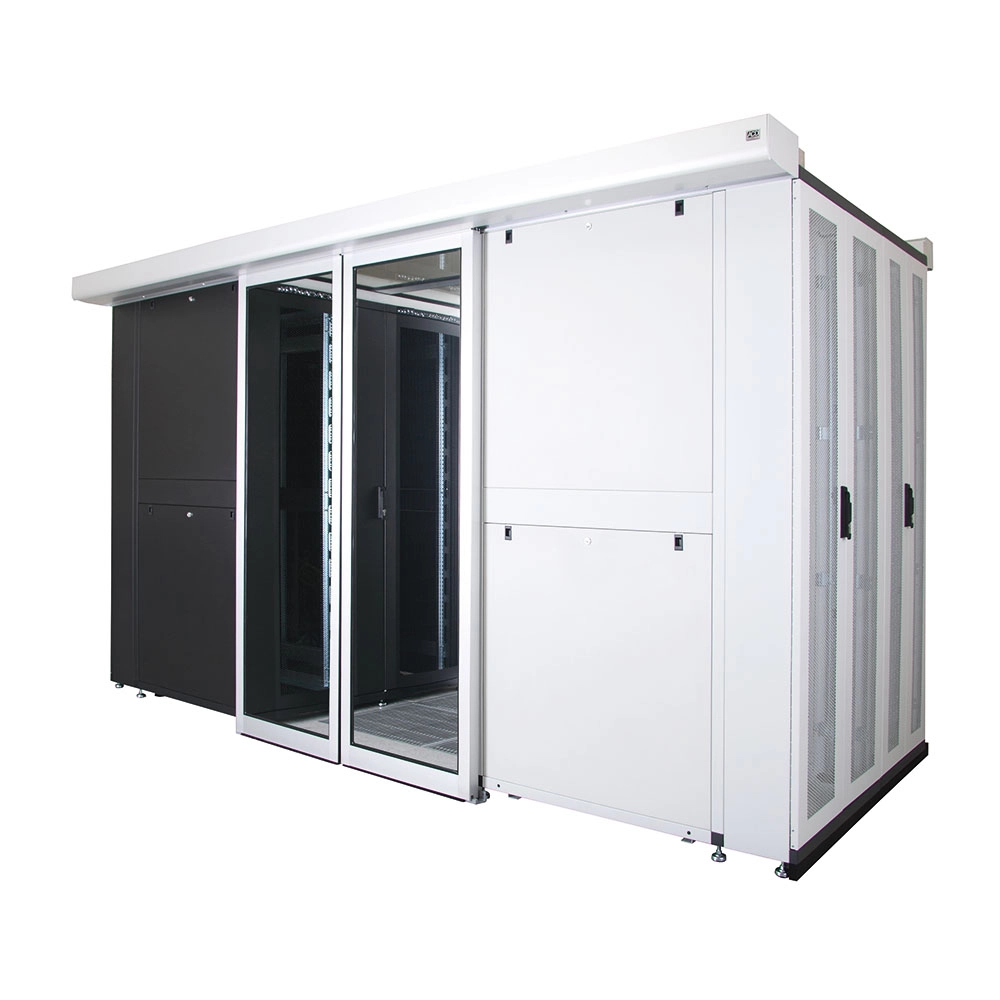
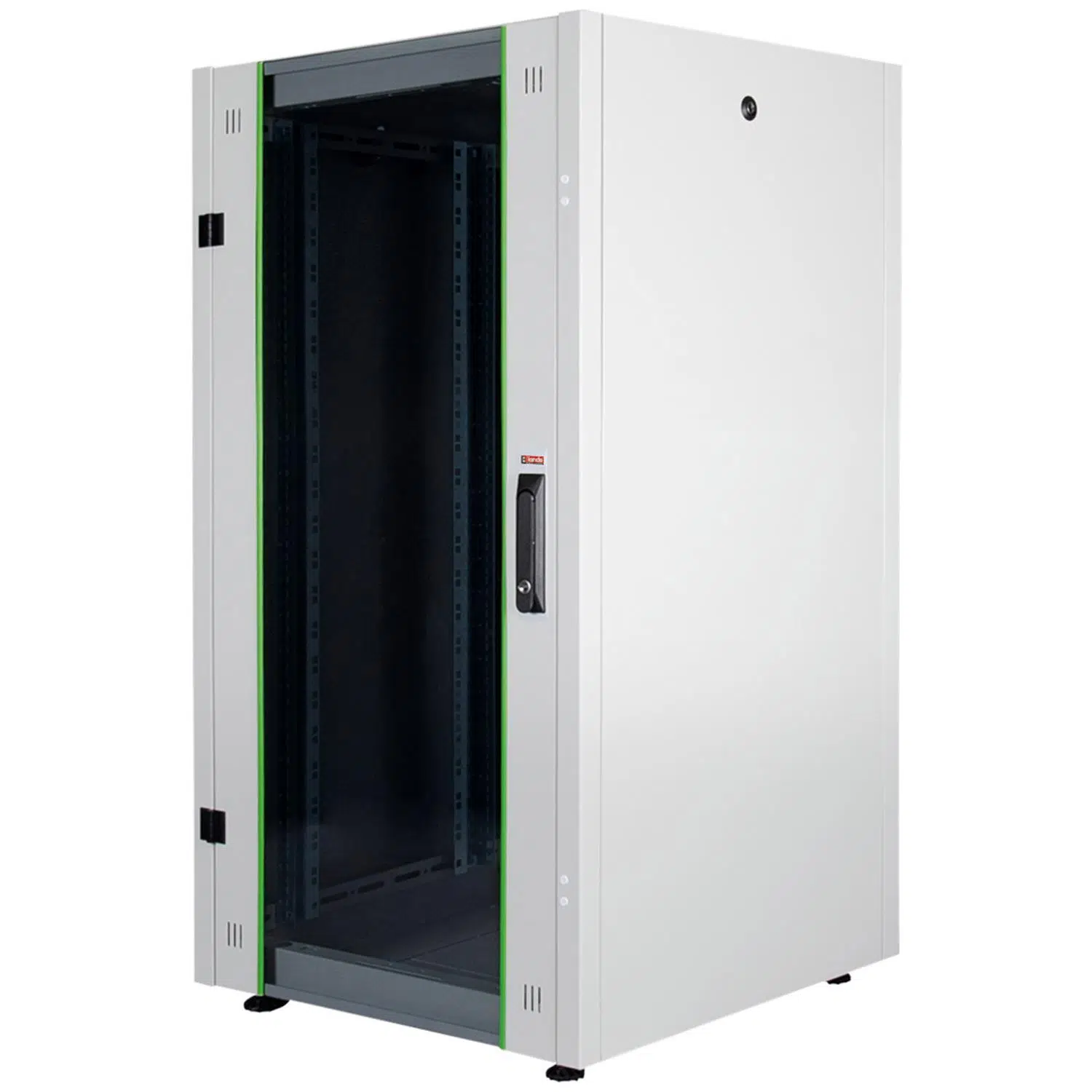
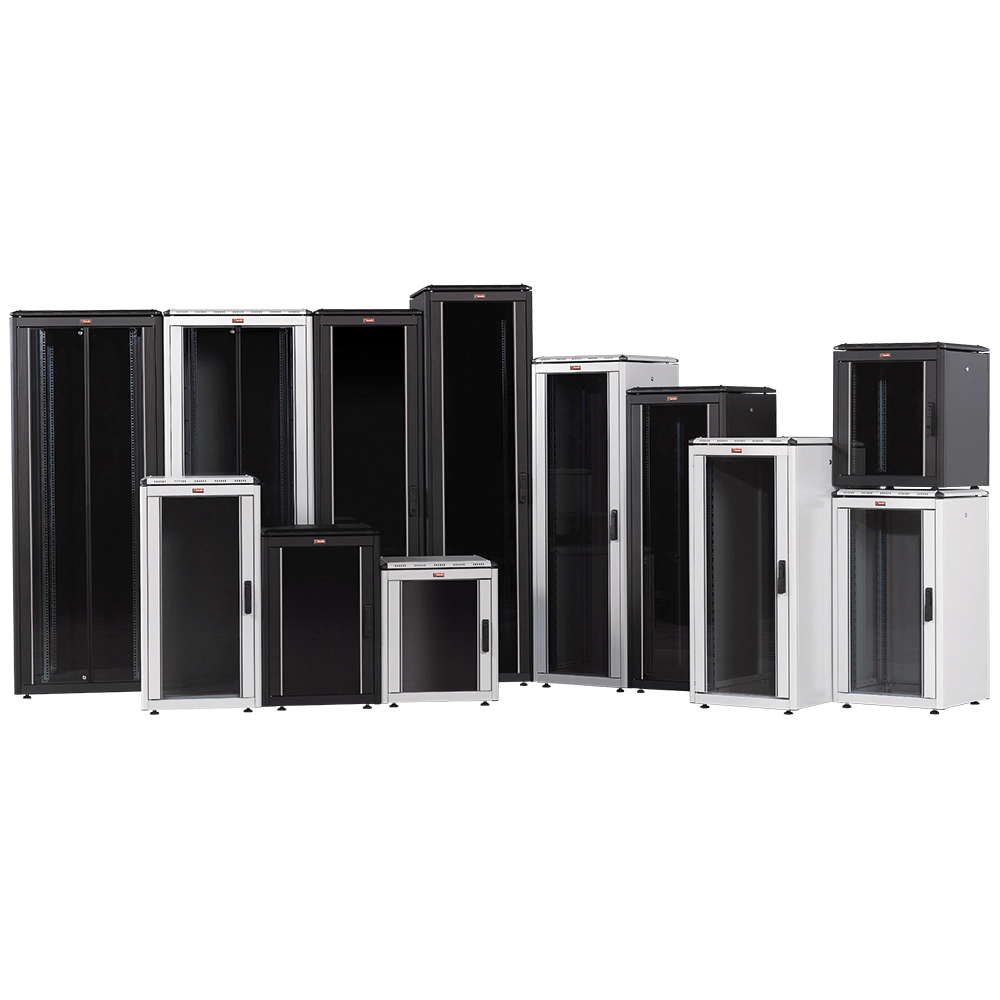
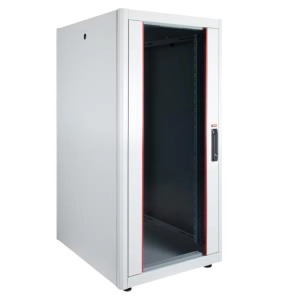
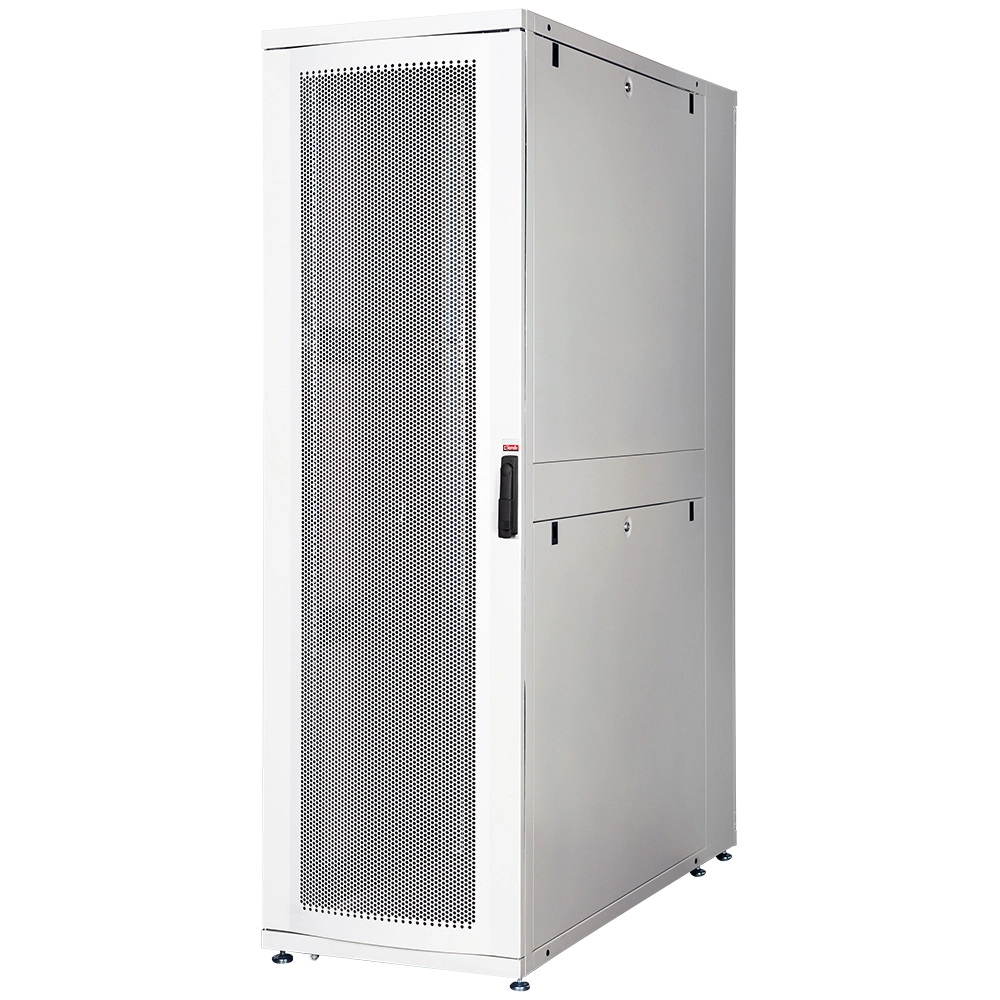
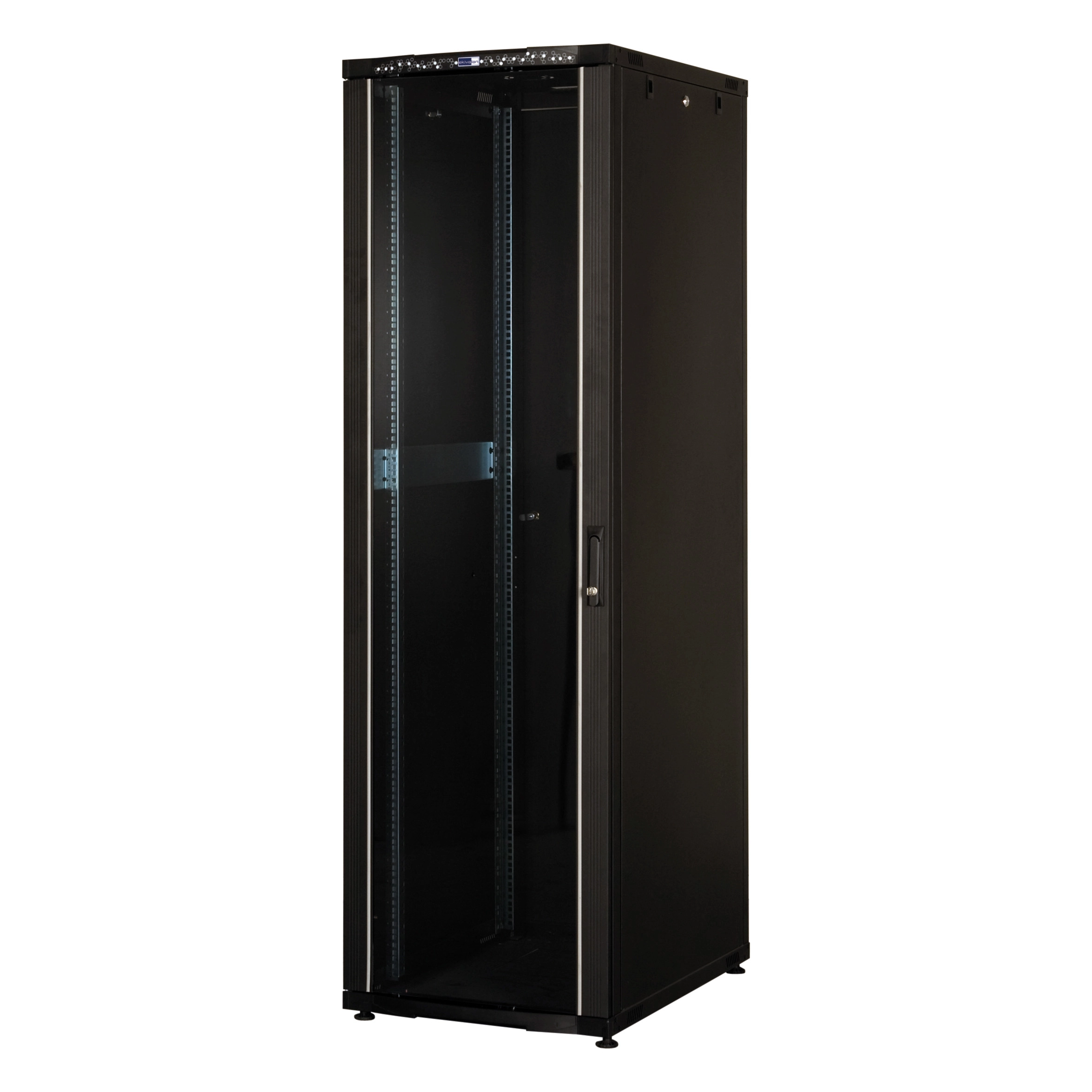
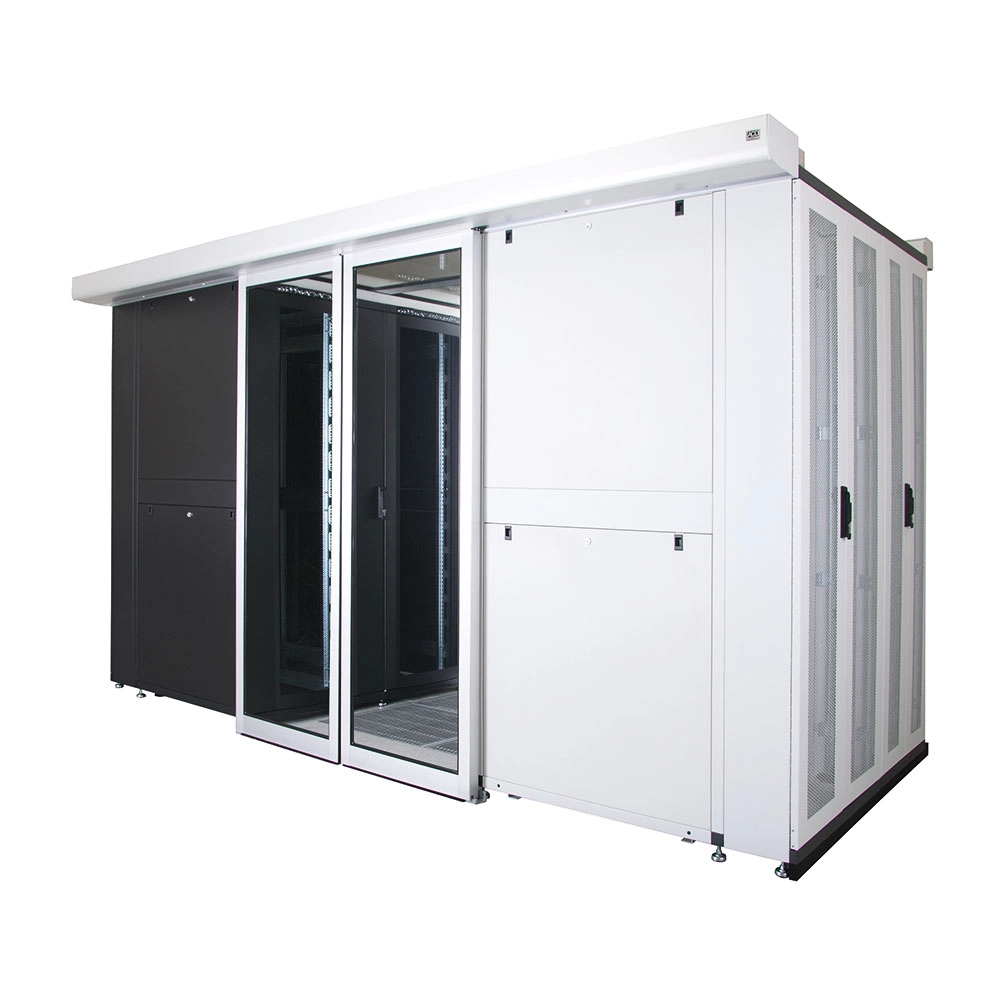
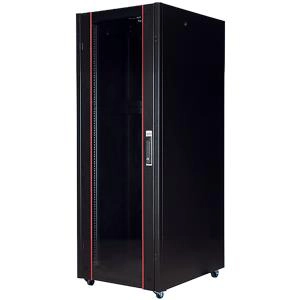
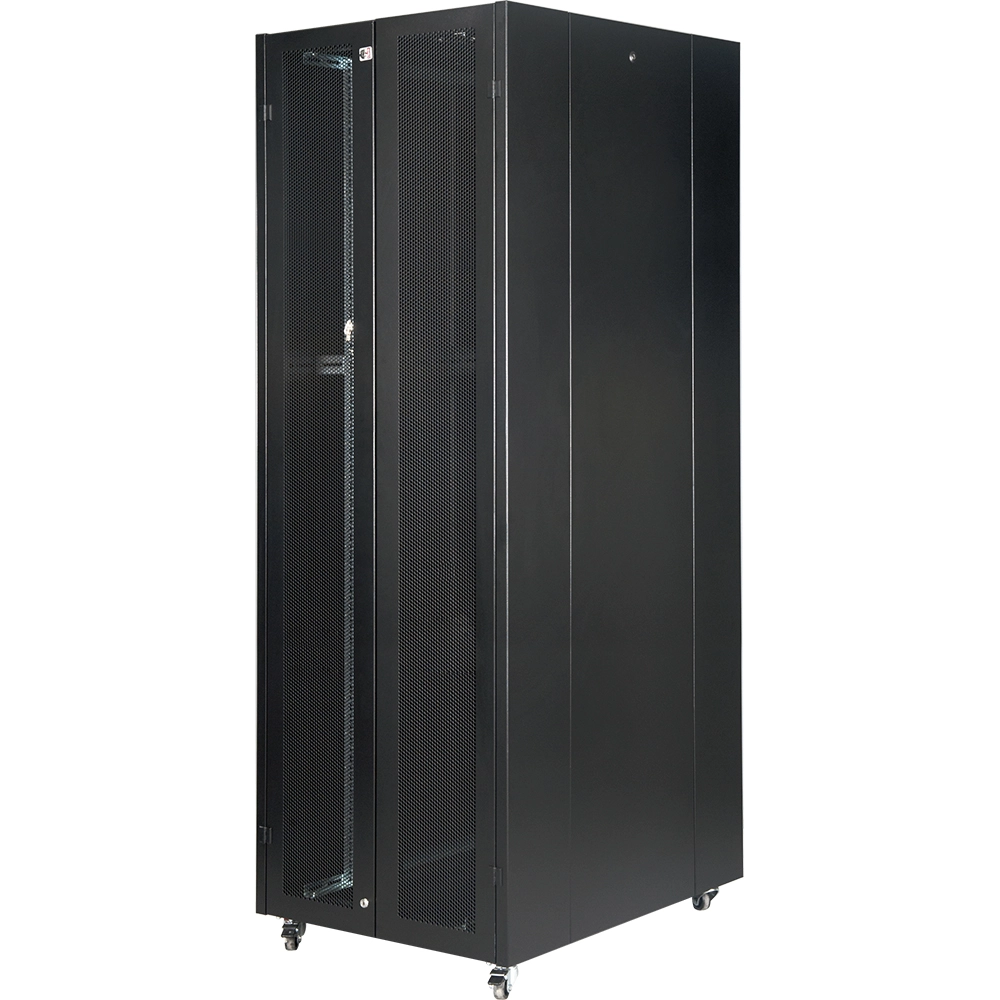
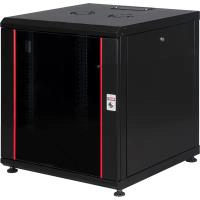
T.R.O.Y.A. delivers a comprehensive solution to the current and future demands of modern data centers:
·Modular, Scalable Architecture: Rapid deployment and high accessibility
·Hot and Cold Aisle Solutions: Reduces air mixing, improving efficiency
·135° Opening Doors: Speeds up cable entry, installation, and maintenance
·80% Perforated Panels: Optimized airflow design reduces pressure drop, lowering cooling requirements and operating costs
·1,500 kg Heavy-Duty Load Capacity: Long-term durability with nano-technology coating
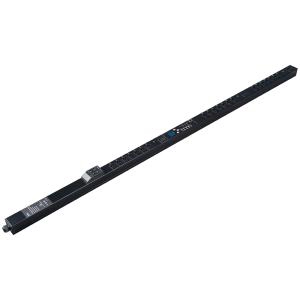
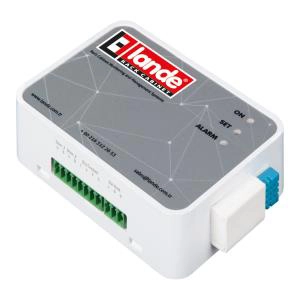
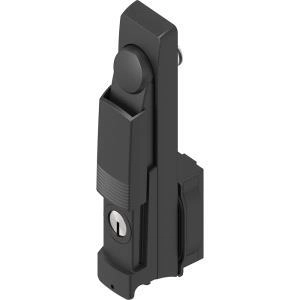
·Smart Infrastructure: 24/7 monitoring with smart PDUs, environmental sensors, advanced locking systems, and fire suppression
The ECO-Qube project, launched in 2020, is a concrete demonstration of our energy efficiency vision. Supported under the EU's Horizon 2020 program (grant number 956059) with a total budget of €3.68 million, it received the highest score in its project call.
ECO-Qube (Artificial-Intelligence-Augmented Cooling System for Small Data Centres) is a holistic AI-driven management system for small and medium-sized data centers. By connecting cooling systems, IT loads, and electrical infrastructure on a unified platform, it dynamically improves energy efficiency based on real-time cooling requirements.
The project was evaluated at three pilot sites with different climate conditions, validating energy efficiency performance under varying external variables. Unlike conventional cooling systems that simply maintain temperatures within a fixed range, ECO-Qube targets measurable and verifiable cooling performance improvements.
2026: Liquid cooling market reaches 47%. AI-native data centers emerge. Heat recovery infrastructure is directly integrated.
2027–2028: Two-phase immersion cooling achieves broad adoption. Embedded cooling technologies (direct-to-silicon) enter data centers. PUE ≤1.2 becomes standard.
2029–2030: Liquid cooling becomes the mainstream technology. Energy efficiency improves by 25–40%. 24/7 carbon-free operations become standard.
Global data center capacity will nearly double from 103 GW (2025) to 200 GW by 2030, at a CAGR of 14%. More than half of this growth will come from AI workloads — AI's share will rise from 30% in 2025 to 50% in 2030. Energy demand will reach 1,400 TWh by 2030, equivalent to 4% of global electricity consumption.
The global data center cooling market will grow from $19.8–$22.13 billion in 2024 to $50.9–$56.15 billion by 2030. Total investment between 2024 and 2030 will reach approximately $3 trillion ($1.2 trillion in real estate value creation + $870 billion in new debt financing). Hyperscalers alone will spend $1 trillion in the 2024–2026 period.
The multi-billion dollar liquid cooling deal between LG and Microsoft illustrates how the technology standard is shifting. Microsoft's $80 billion AI data center investment in 2025 demands cooling technology that air-based systems cannot provide.
Germany's EnEfG regulations (2026–2028), Europe's EED directive, and potentially upcoming Turkish regulations will compel operators to invest in energy-efficient and sustainable cooling technologies.
Dear young people,
Data centers are not just buildings. They are the heart of our digital civilization. Every online game, every social media post, every AI query comes alive in these massive facilities — and their sustainability is your future.
Energy efficiency, sustainability, and renewable energy are no longer optional; they are mandatory. Working in this field is not just a career — it is a mission. Because you are shaping the future of both technology and the environment.
At Lande Cabinet, our doors are always open to young talent, because we want to build the future together with you.
The numbers speak for themselves:
·$3 trillion in total investment by 2030
·Cooling market from $22B to $56B (2024–2030)
·Immersion cooling at 18–24% CAGR
·Regulatory mandates accelerating technology adoption
This is not just a trend — it is a transformation. Liquid cooling is no longer optional; it is a necessity. Hyperscalers are investing billions. Microsoft's $80 billion AI investment is the clearest evidence of this.
The message for data center managers and investors is clear: smart investments in cooling systems today will determine tomorrow's competitive advantage, cost savings, and sustainability leadership.
Global examples show that data center waste heat is no longer a problem — it is an opportunity. Meta heating 11,000 homes in Odense, Stockholm supplying heat to 35,000 apartments, Microsoft covering 40% of Helsinki's district heating needs, and Amazon creating social impact in Dublin are concrete proof of this transformation.
Turkey, with its rich geothermal potential (31,500 MWth) and developing district heating infrastructure, has the opportunity to be a significant part of this trend. A $650 million annual savings potential and a 10 million ton carbon reduction opportunity show that our country can make a major leap in this area.
The future belongs to data centers that are not just cooled, but intelligently cooled — and that future has already begun, whether we acknowledge it or not. We started with a question, and we end with the same one:
Everything is getting smarter. But are we?
Lande Endüstriyel Metal Ürünler San. ve Tic. A.Ş | www.lande.com.tr | satis@lande.com.tr | sales@lande.com.tr
04.02.2026


LANDE © 2026 All Rights Reserved.

0
)