×

Digital Twin Technology in Data Centers
How AI-powered virtual replicas are transforming data center management from predictive maintenance to real-time energy optimization.
LANDE Marketing & PM Team | Technology Solutions from an Engineering Perspective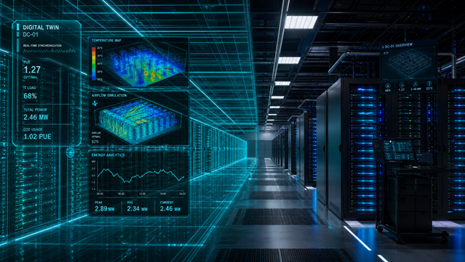
Digital twin visualization overlaid on a modern data center — holographic temperature and airflow panels
Data centers are no longer just physical spaces housing IT equipment — they have become intelligent ecosystems powered by AI-driven predictive maintenance, real-time energy optimization, and uninterrupted operational excellence. At the heart of this transformation is digital twin technology.
A digital twin is a virtual replica of your physical data center. But this is not a static model — it is a living digital organism continuously fed by IoT sensors, environmental monitoring systems, and DCIM platforms through real-time synchronization. Every change in the physical world — a server's temperature spike, a drop in HVAC performance, an anomaly in power consumption — is instantly reflected in the digital twin, which then performs analysis, prediction, and optimization accordingly.
Why Do We Need a Digital Twin?
Classical data center management suffers from two fundamental problems: reactive thinking and invisibility. We notice a problem when it surfaces, then we respond. But what about before the problem emerges? What if a hot spot accumulates undetected heat in racks? What if your cooling system's efficiency has quietly declined?
This is exactly where digital twin technology intervenes showing you not just what is happening, but what will happen.
Key Statistics
95% Disk failure prediction accuracy | 40% Cooling energy reduction | 50% Carbon emission reduction potential | 82% Phantom load |
Predictive Maintenance
Using AI algorithms, you can detect equipment failures days or even weeks in advance. Microsoft Azure's digital twin platform predicts disk failures with 95% accuracy, enabling proactive replacement before any downtime occurs.
Energy Efficiency & PUE Optimization
In Google's data centers, digital twin and AI reduced cooling system energy consumption by 40%. You can monitor and optimize your PUE (Power Usage Effectiveness) values in real time — which directly reduces your carbon footprint.
Operational Continuity
In the event of a power outage or cooling system failure, you can simulate within seconds how long your systems can hold and which critical equipment will be affected — enabling decisive, informed response.
"Digital twin doesn't just tell you what's happening — it shows you what's about to happen, giving you the power to act before problems occur."
The Anatomy of a Digital Twin: How It Works
A digital twin architecture is built on four foundational layers that work together to create a seamless bridge between the physical and digital worlds:
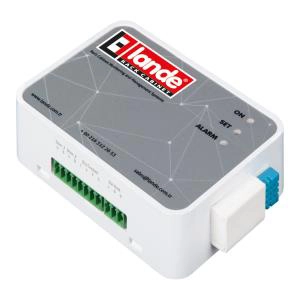
·Layer 1 — Data Collection: IoT & Sensors: Every critical point is equipped with sensors: temperature, humidity, airflow, power, vibration, and water leakage. LANDE's environmental monitoring systems deliver real-time SNMP, SMS, and email alerts at this layer.
·Layer 2 — Transmission & Processing: Edge Computing: Data is filtered and analyzed at edge nodes. Per IDC forecasts, 75% of enterprise data will be processed at the edge by 2025, minimizing latency and enabling real-time intervention.
·Layer 3 — Digital Twin Engine: Simulation & CFD: Computational Fluid Dynamics (CFD) models airflow, temperature distribution, and pressure at a molecular level — letting you test hot spot scenarios and free cooling strategies before any hardware is purchased.
·Layer 4 — Decision Support & Automation: Beyond monitoring — the twin makes recommendations and takes autonomous actions: activating cooling when thresholds are crossed, shutting down idle devices to save energy.
LANDE T.R.O.Y.A: Next-Generation Infrastructure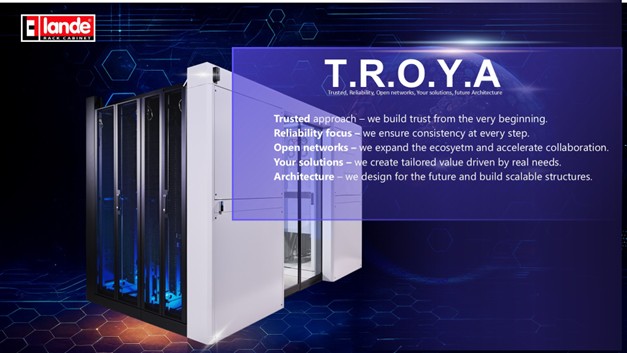
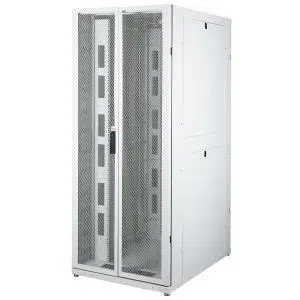
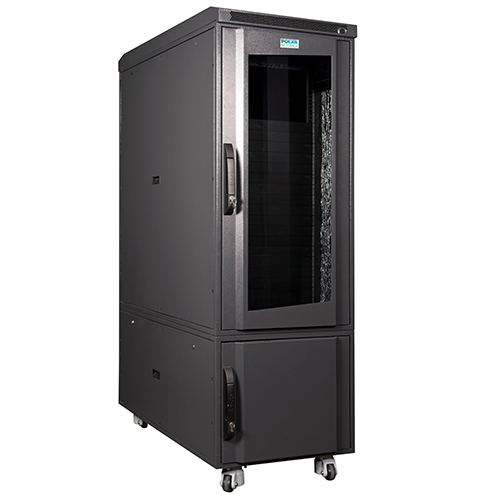
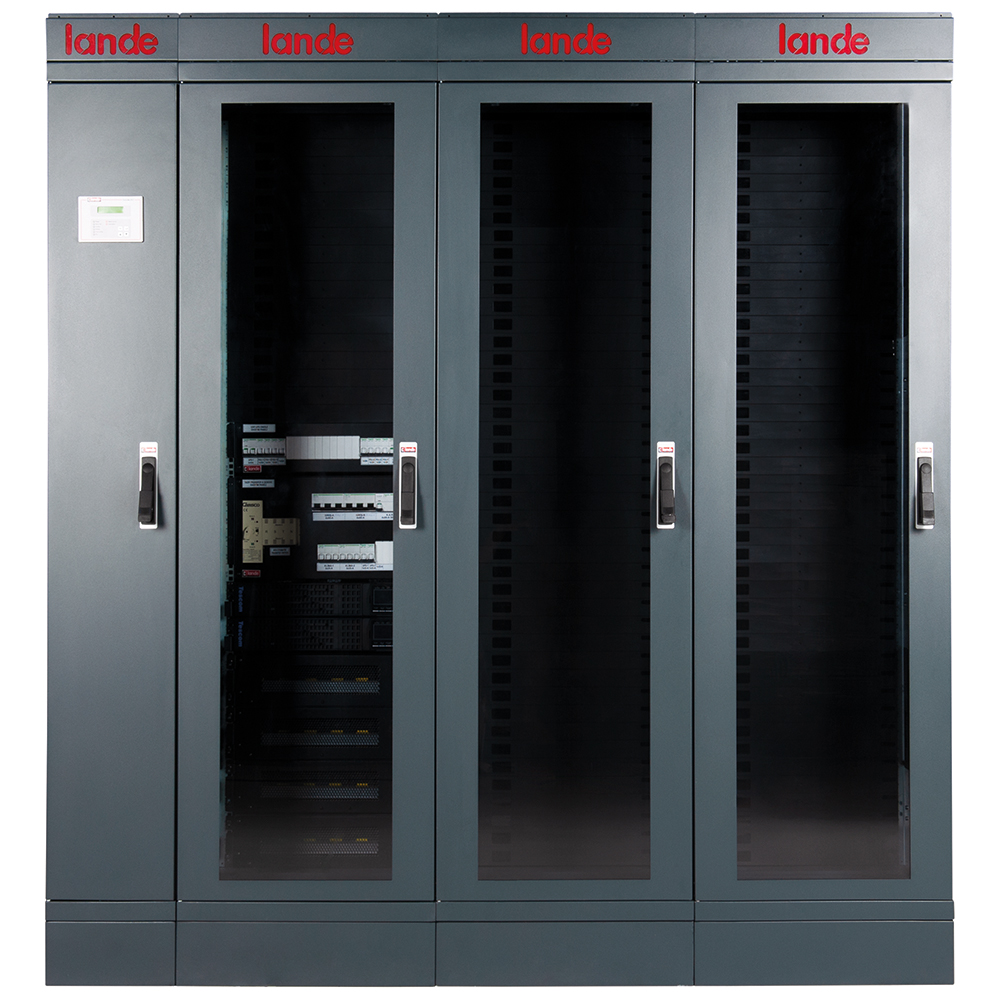
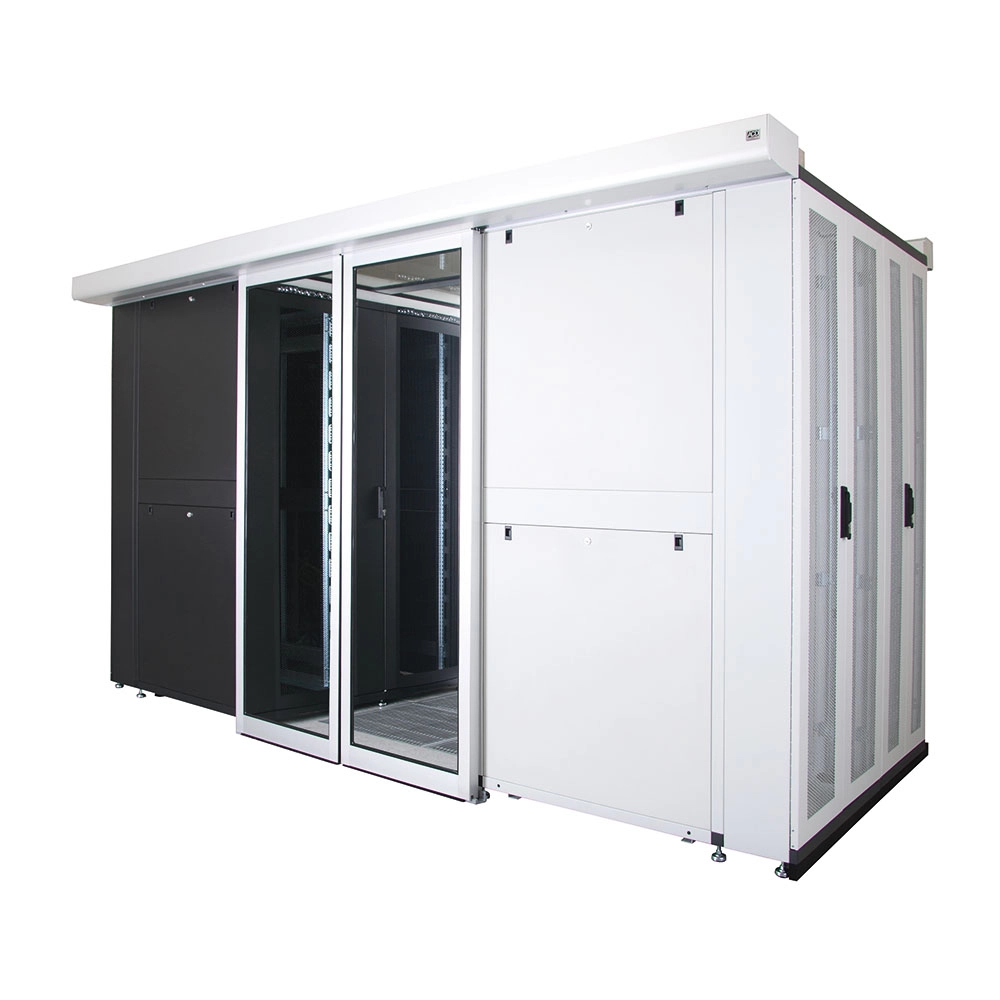
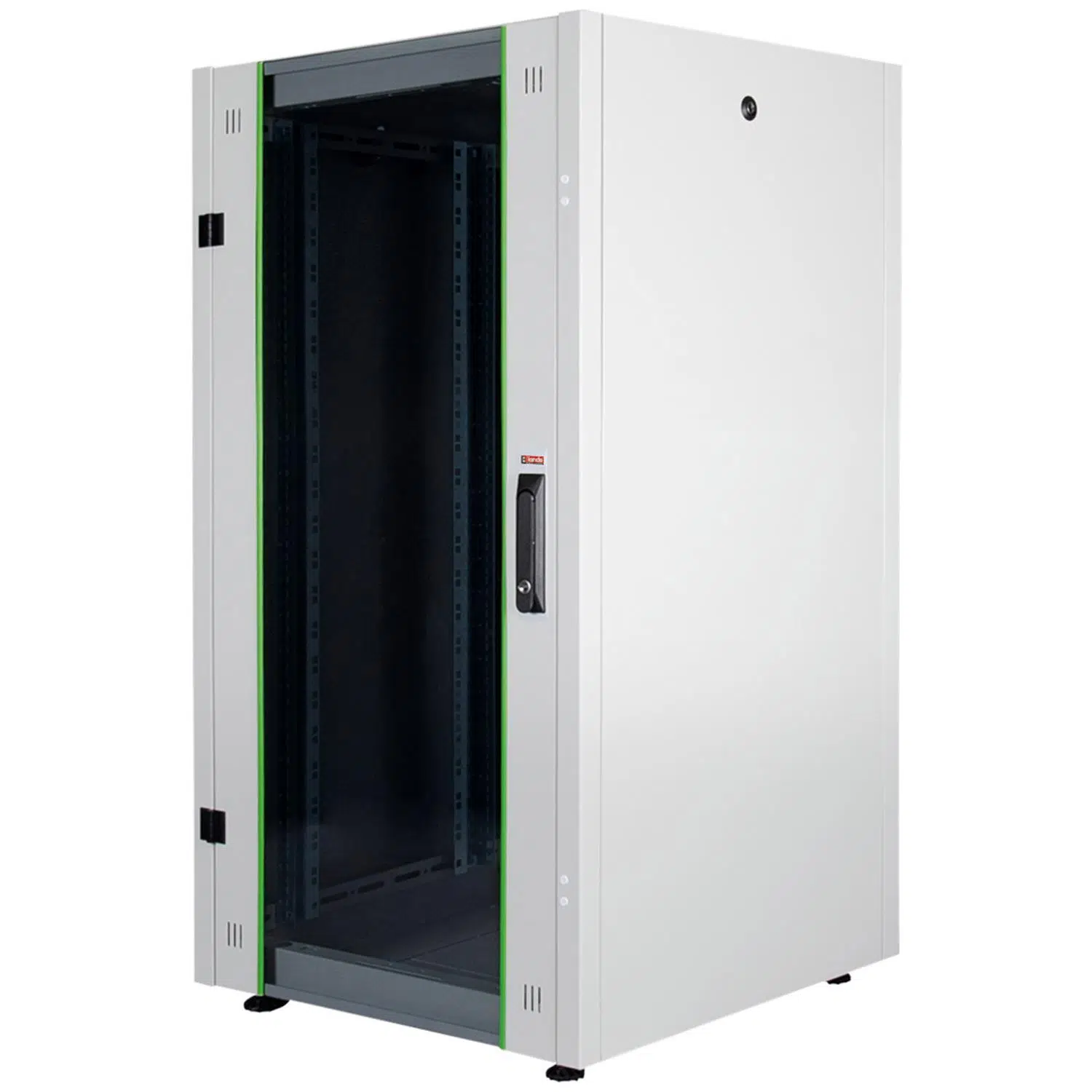
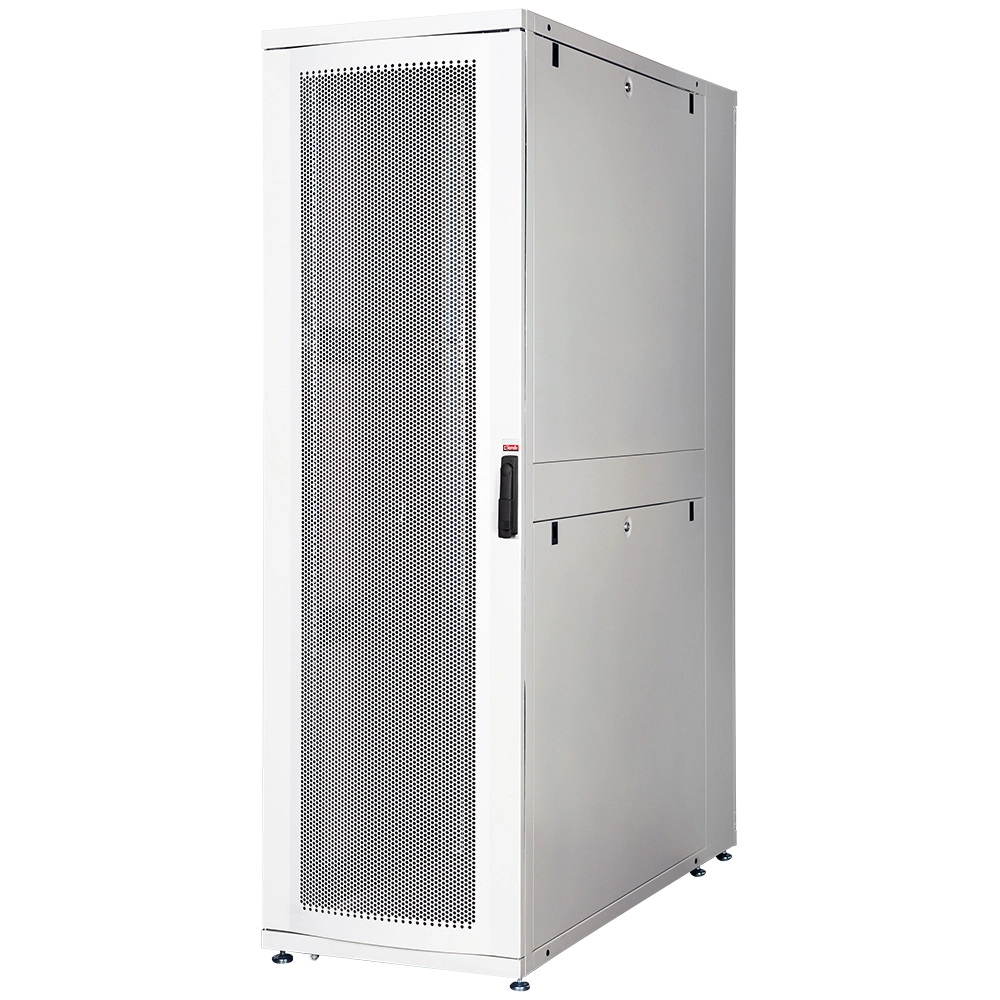
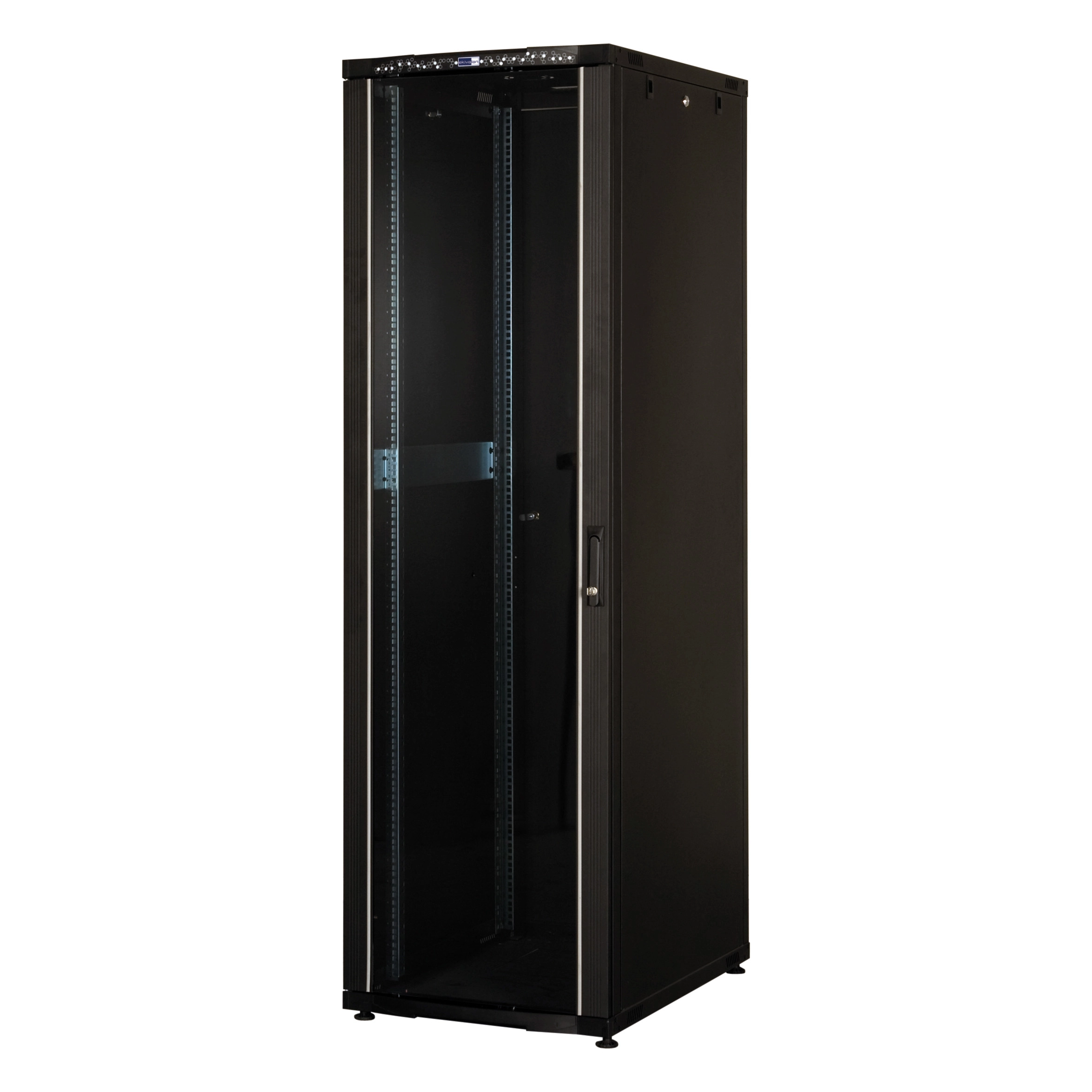
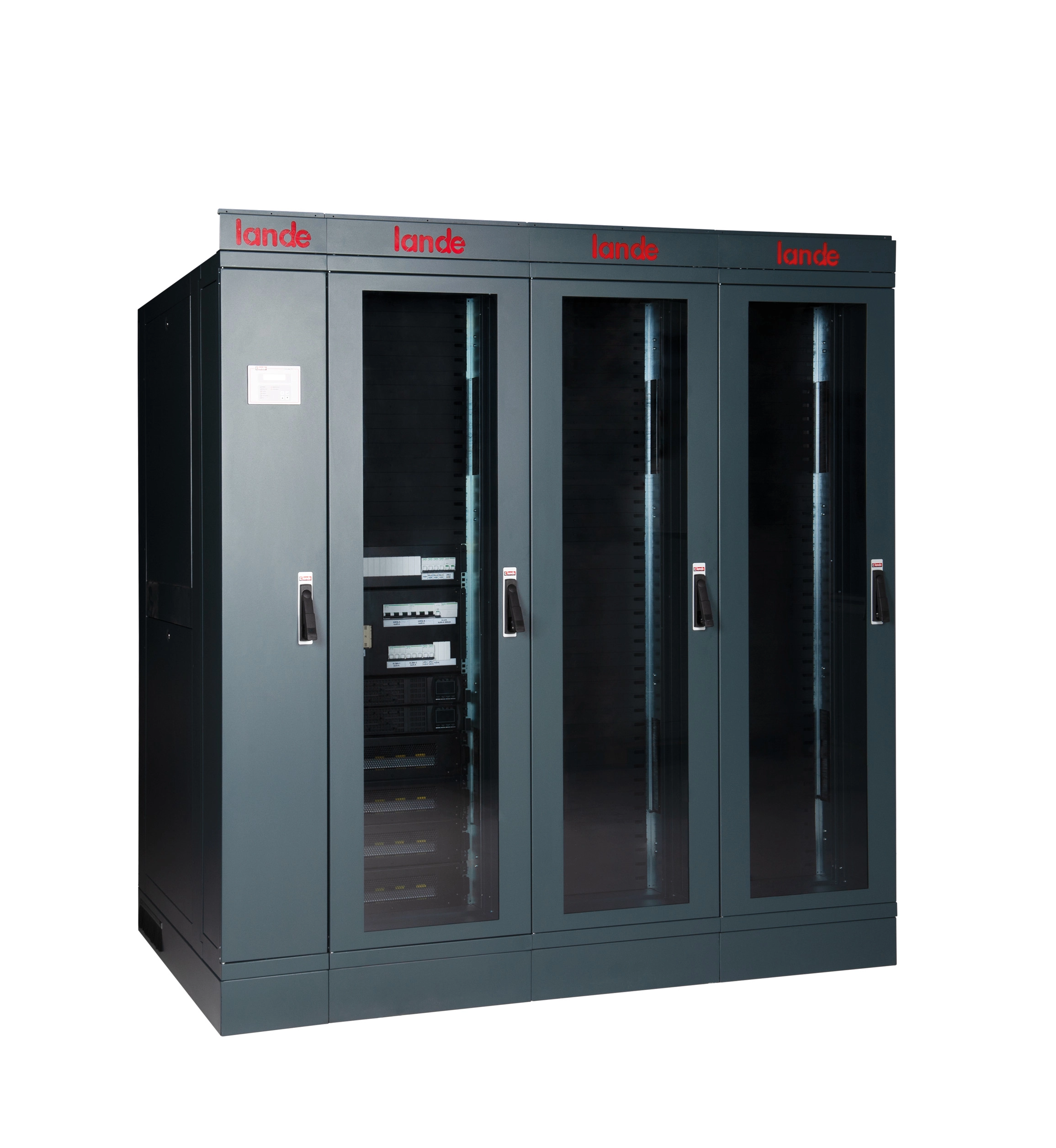
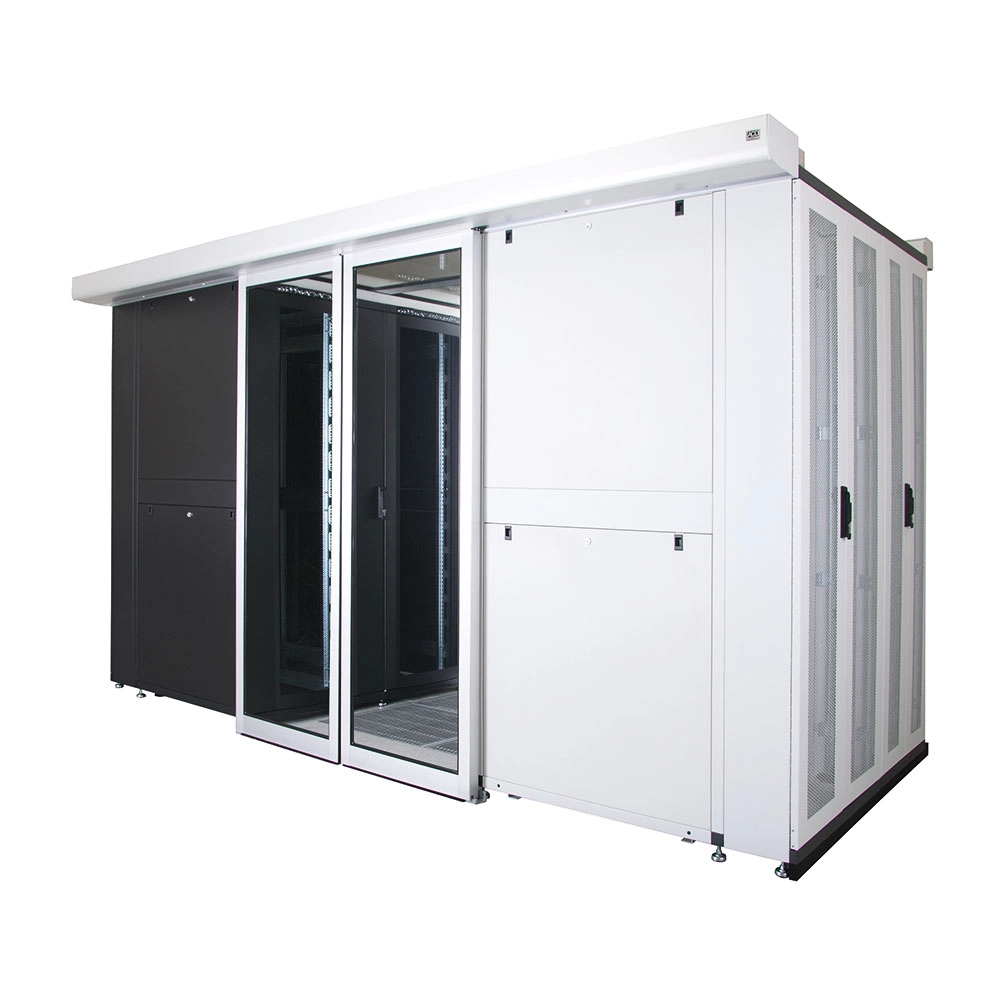
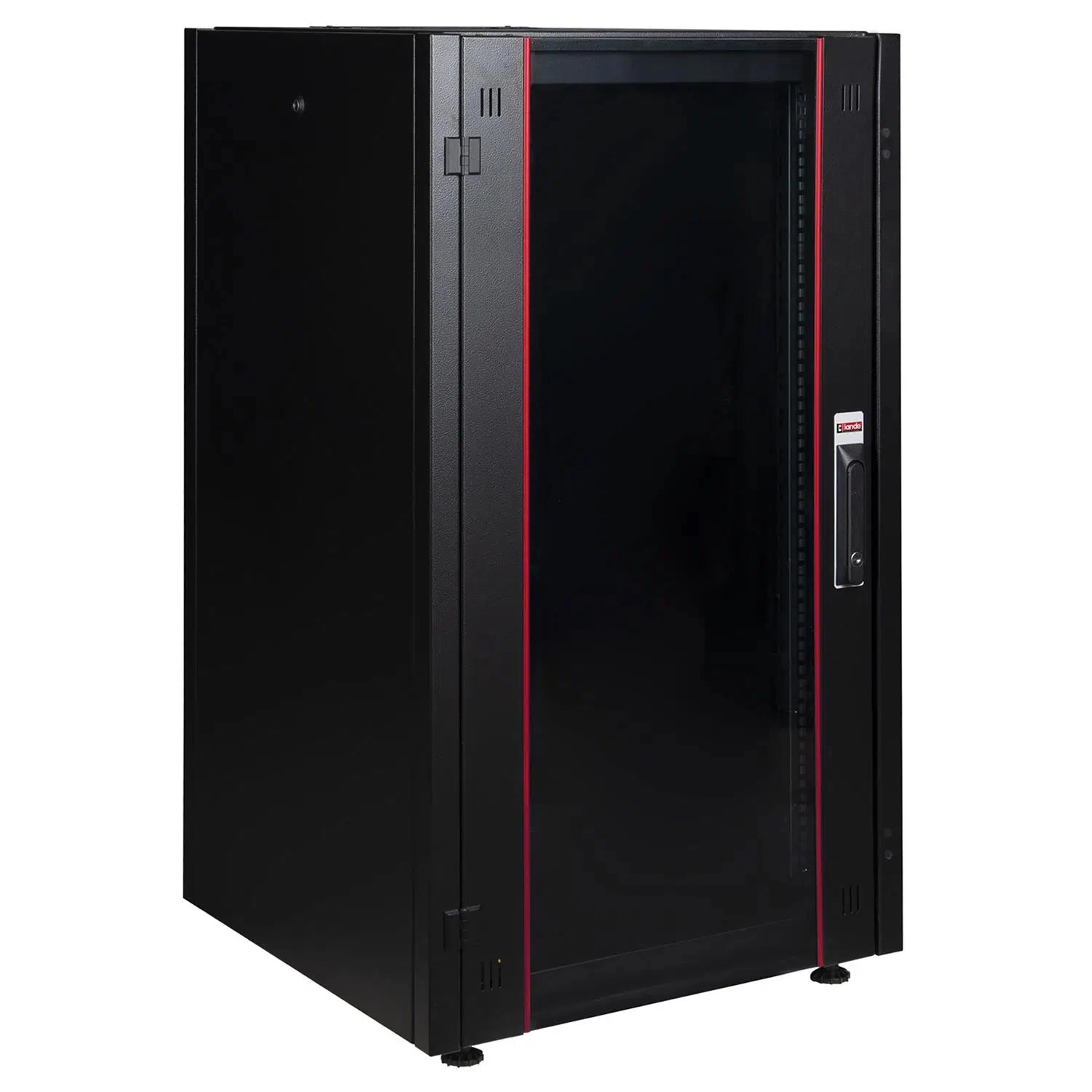
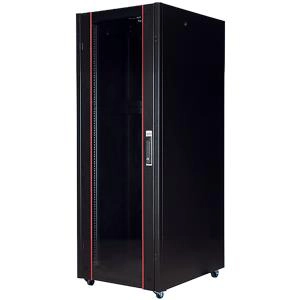
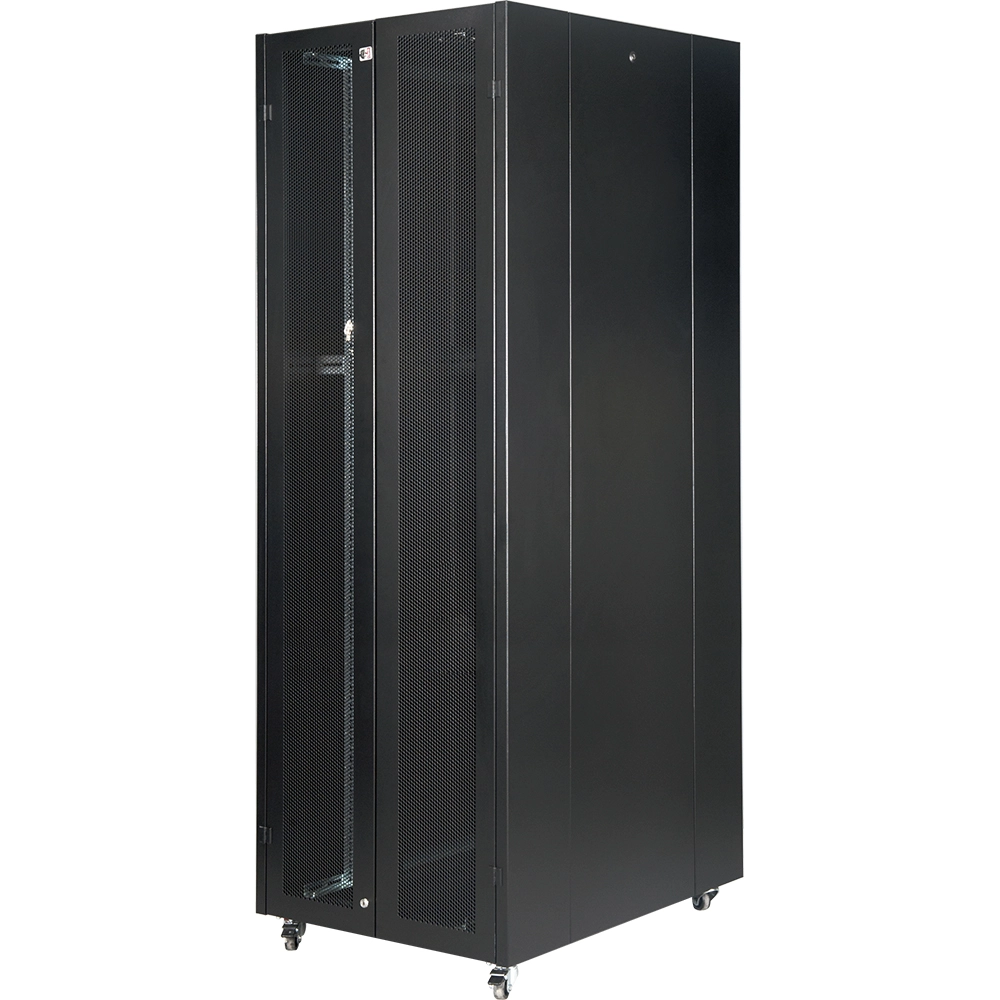
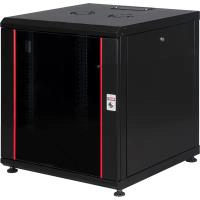
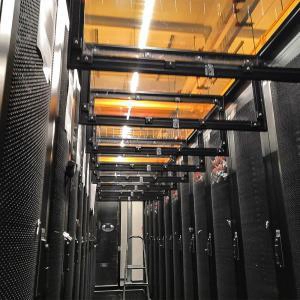
The success of digital twin technology is directly tied to the quality of the physical infrastructure beneath it. LANDE's T.R.O.Y.A (The Rack Of Your Architecture) next-generation data center cabinets are designed to be the ideal physical foundation for digital twin ecosystems.
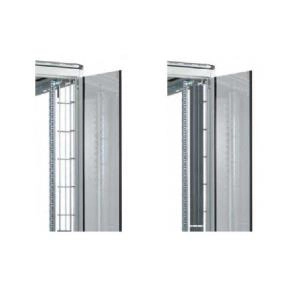
Engineered with a 2030 vision and optimized for high-density IT infrastructures, the T.R.O.Y.A series delivers maximum airflow with its 80% perforated front door and offers service convenience via its split rear door system.
Technical Specifications
Height | 42U – 48U |
Width | 600mm / 800mm |
Depth | 1000mm – 1200mm |
Front Door Perforation | 80% |
Rear Door | Split Design |
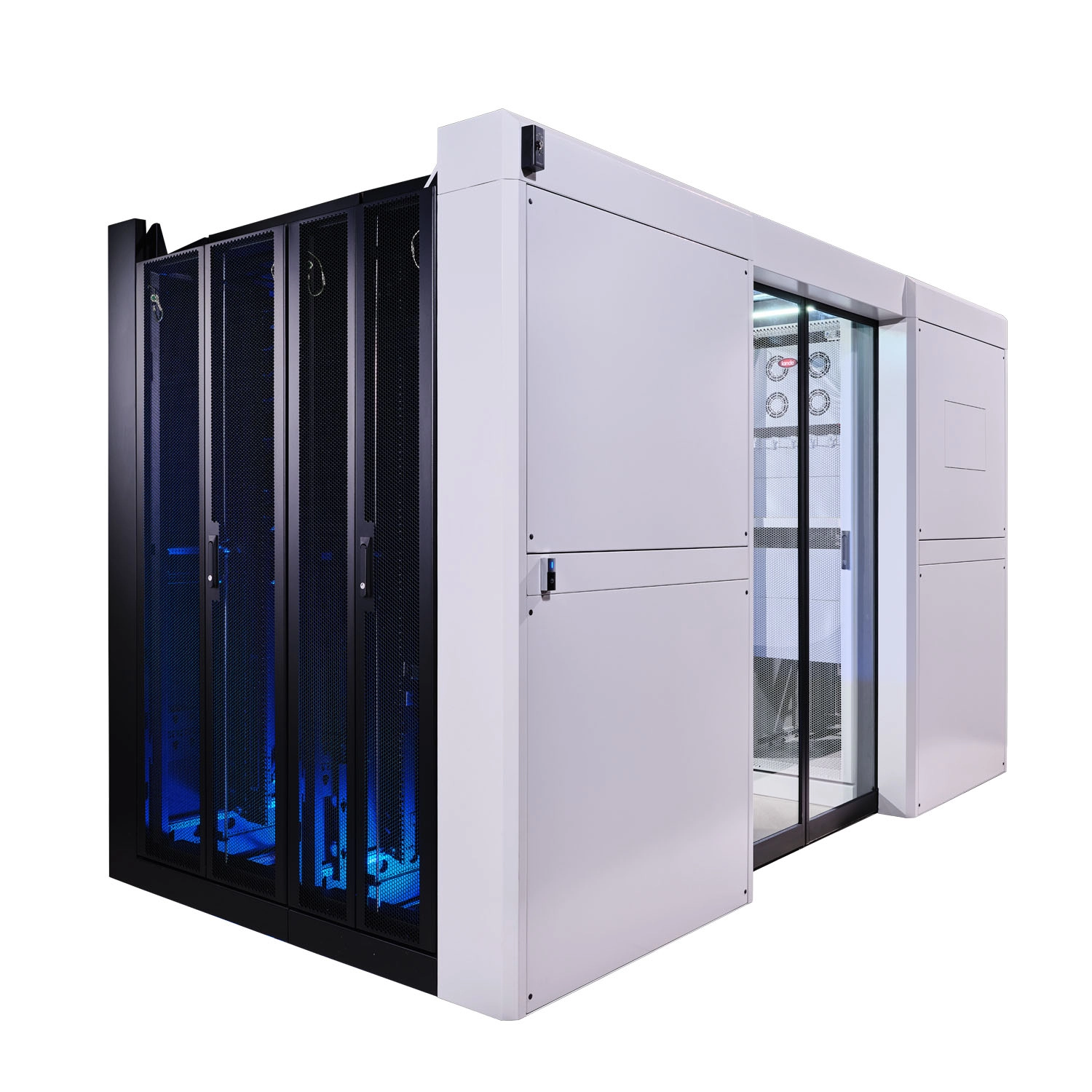
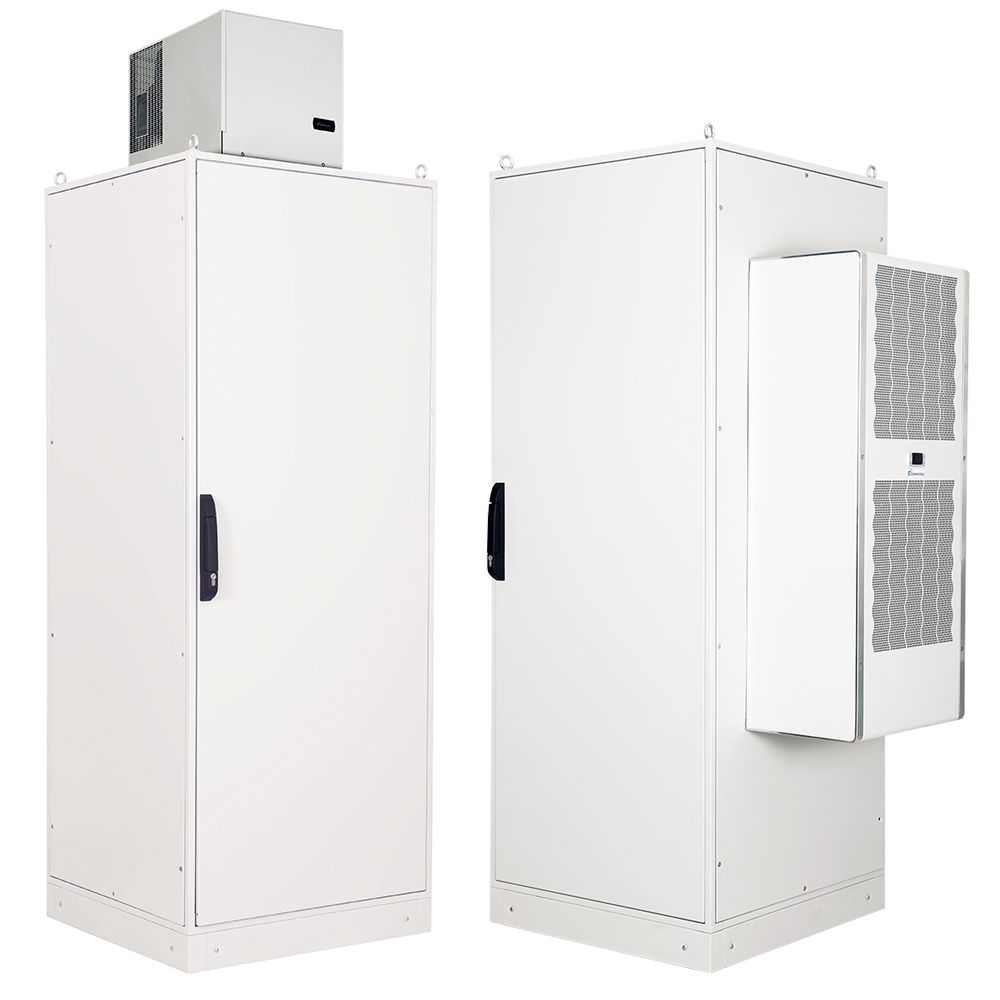
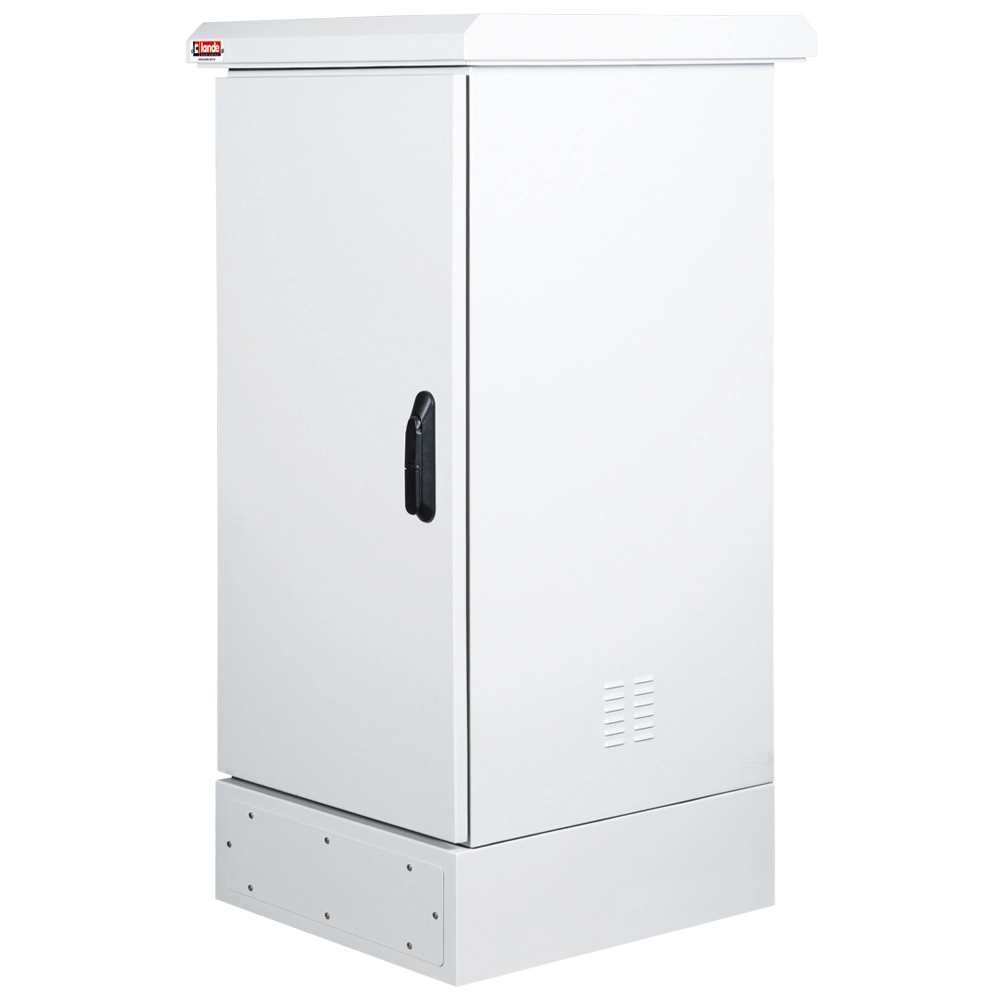
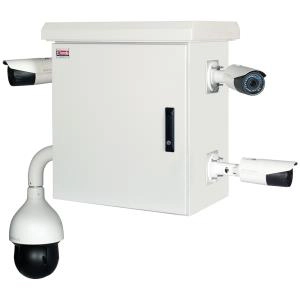
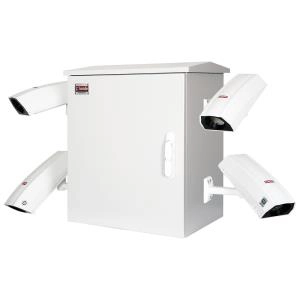
IP Protection (SmartQube) | IP55 |
Customization | Unlimited |
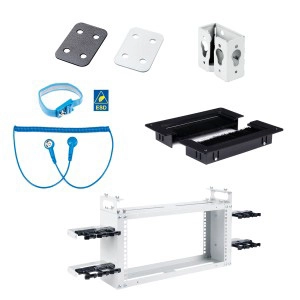
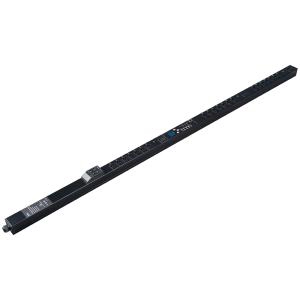
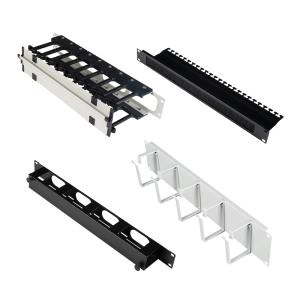
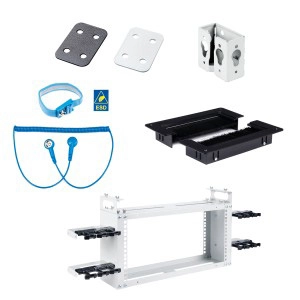
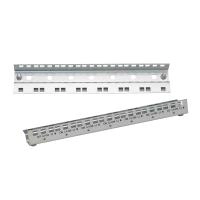
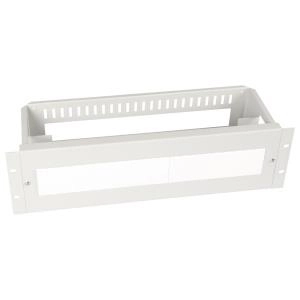
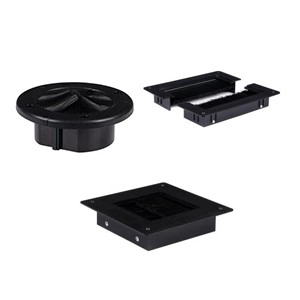
T.R.O.Y.A offers extraordinary flexibility and modularity during installation. Standard accessories include PDU mounting brackets, L-type hanging systems, quick-release grounding cable sets, and side-by-side cabinet joining kits — all designed to integrate seamlessly with digital twin sensor layers.
Sustainability & Carbon Footprint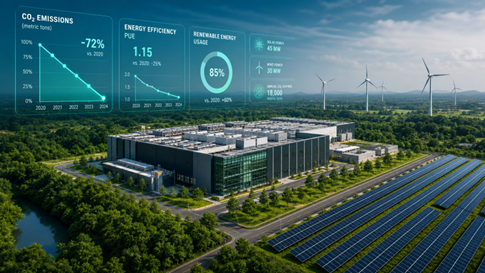 Aerial view of a sustainable data center integrating solar and wind energy sources
Research shows that digital twin implementation can reduce a building's carbon emissions by up to 50%. Data centers are responsible for approximately 1% of global greenhouse gas emissions — and that share is growing rapidly.
·Reduce PUE from 1.5 to 1.2 — savings of millions of kWh annually
·Reduce phantom load consumption by 82%
·Dynamically optimize renewable energy integration
·Simulate cooling strategies before deployment — zero wasted investment
LANDE became the first institution from Turkey accepted into the EU's "EU Code of Conduct Data Centres" body in 2019. Through the ECO-Qube project within the Horizon 2020 Programme, LANDE continues to lead the industry developing AI-powered cooling and energy management systems.
Looking Ahead
Digital twin is no longer the future — it's the present. With the integration of artificial intelligence, machine learning, and edge computing, this technology will become even more intelligent. Autonomous data centers — systems that self-optimize, proactively detect and address failures, and dynamically manage energy consumption — are made possible by digital twins.
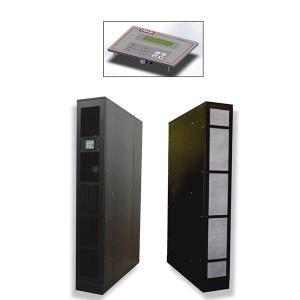
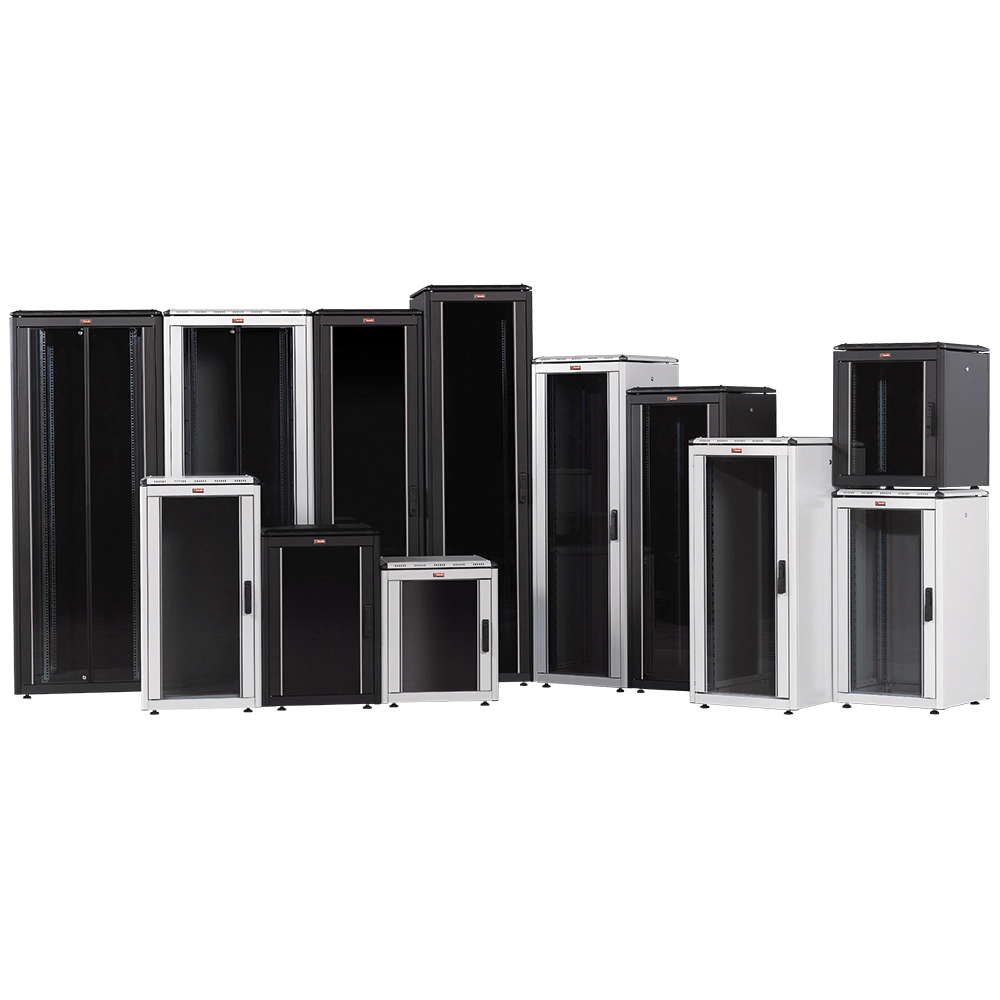
As LANDE, we are not just a hardware provider in this transformation — we are an ecosystem partner. Our entire product range, from T.R.O.Y.A next-generation cabinets and SmartQube intelligent solutions to environmental monitoring systems and cooling infrastructure, integrates seamlessly with digital twin technologies.


LANDE © 2026 All Rights Reserved.

0
)