×

Data centers are no longer just “buildings that host servers”; they are strategic infrastructure investments that enable the growth of artificial intelligence, cloud computing, and the digital economy. The global data center market is expected to grow from 418 billion dollars in 2025 to 692 billion dollars in 2030—a 65% increase. According to McKinsey’s analysis, global data center capacity could more than triple by 2030, with an annual average capacity growth potential of around 22%.
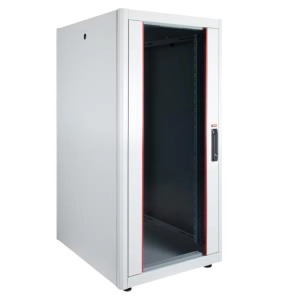
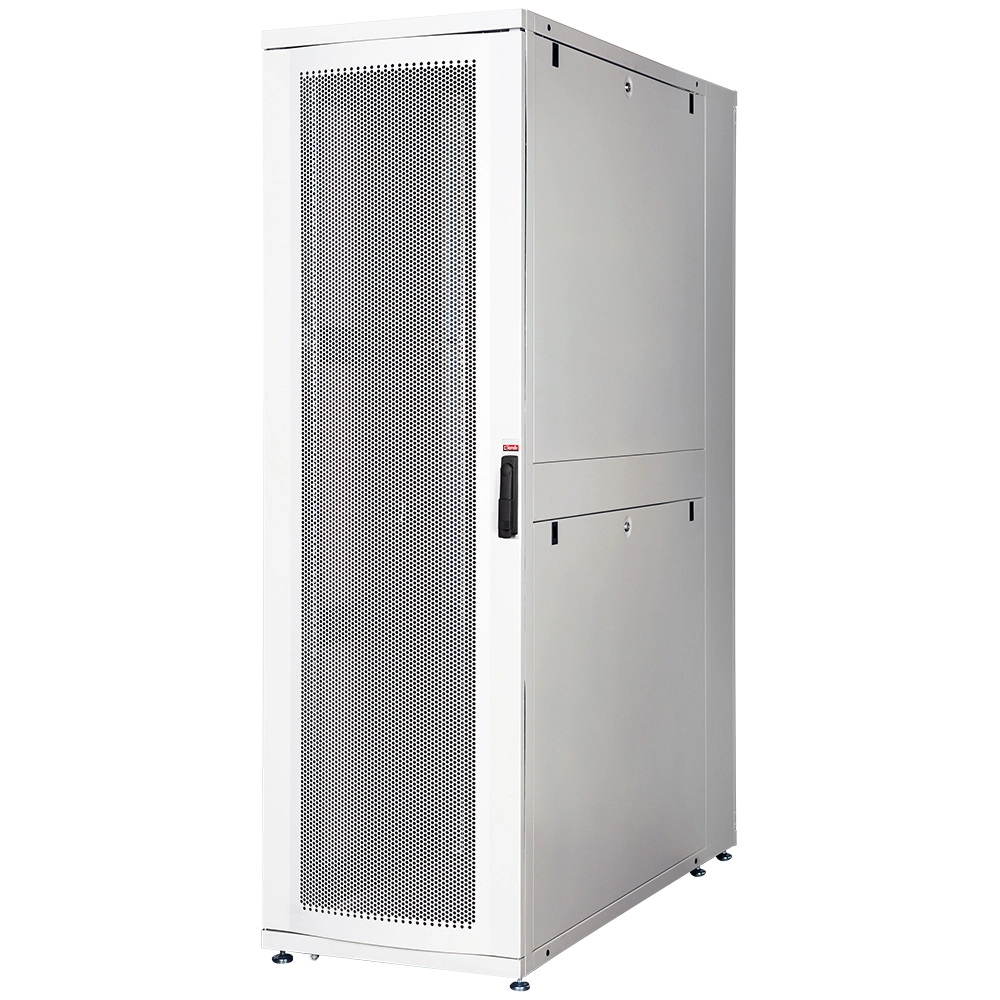
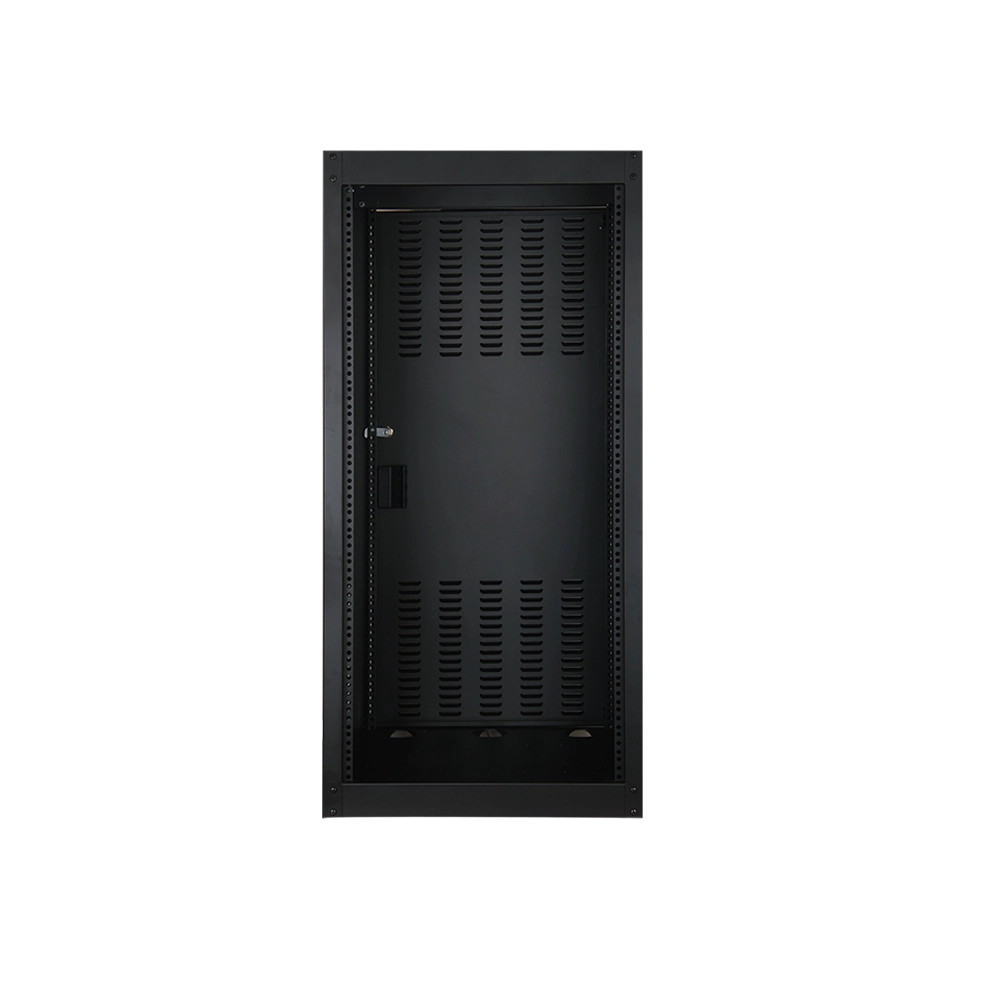
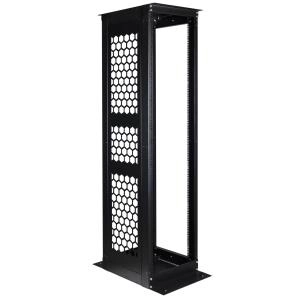
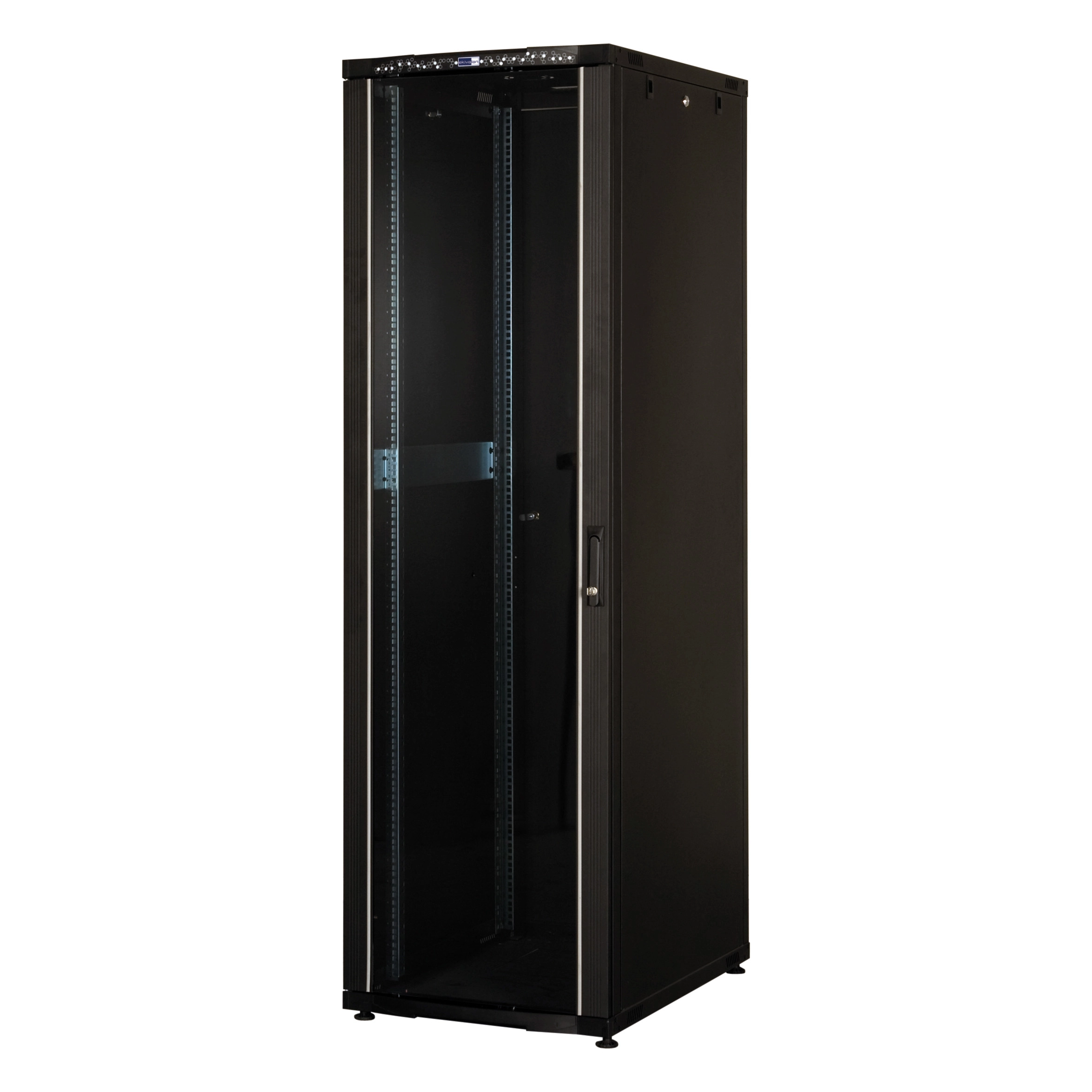
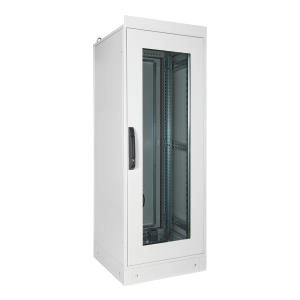
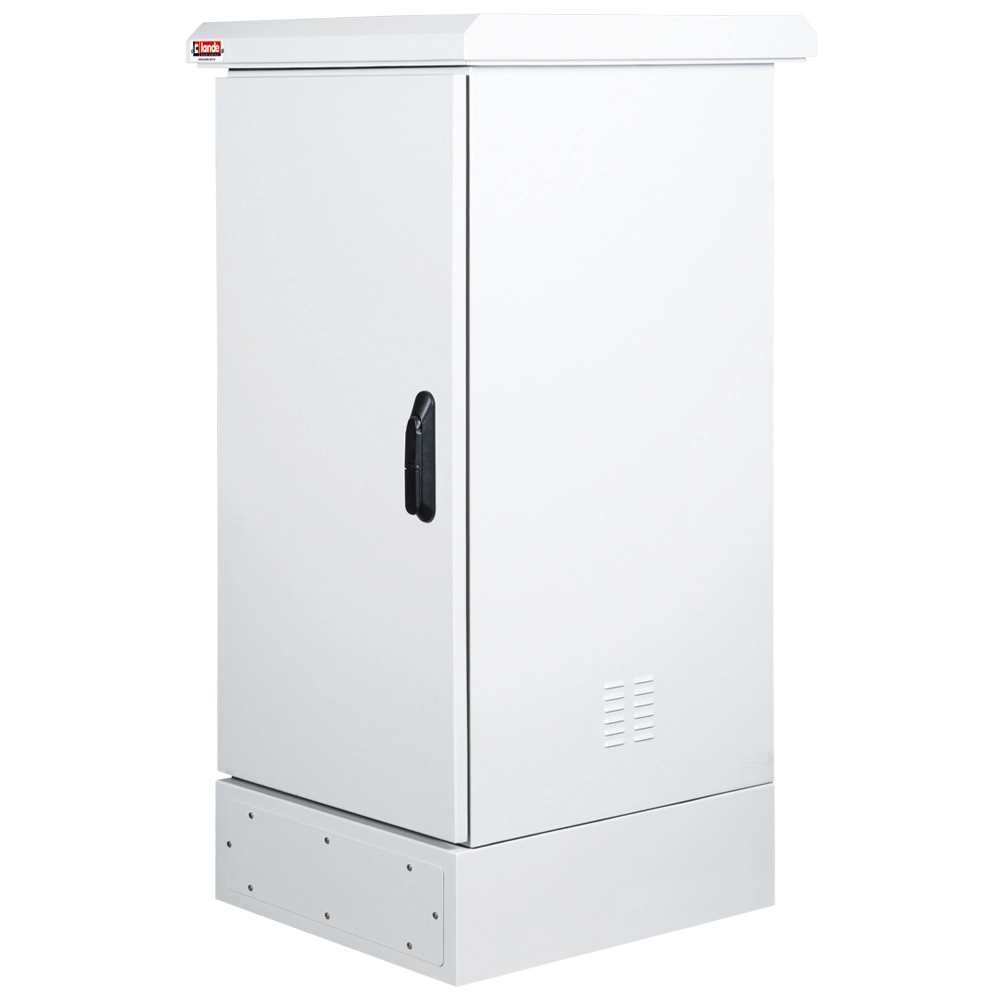
At the center of this transformation lies a critical layer that is often overlooked yet directly impacts the performance of the entire system: rack cabinets.
Today, the main topics shaping the data center agenda are very clear: rising power density, pressure for energy efficiency, the need for faster time-to-market, sustainability requirements, and expectations for high reliability.
In this article, I will examine next-generation data centers from the perspective of investors and operators, focusing on the questions:
“What is changing? What should we be prepared for? Which technical decisions truly make a difference?”
The projections of the International Energy Agency (IEA) are striking: data centers’ global electricity consumption will rise from 415 TWh in 2024 to 945 TWh in 2030. This figure is equivalent to Japan’s total annual electricity consumption. 80% of this increase will come from just two countries:
The United States, with an additional 240 TWh and 130% growth
China, with an additional 175 TWh and 170% growth
Goldman Sachs paints an even more dramatic picture. By 2030, data center power demand will increase by 165%. Existing capacity of 55 GW is expected to reach 84 GW in 2027 and 122 GW in 2030. AI workloads are redefining power density. Average power per rack has risen from 8 kW to 17 kW in just two years and is expected to reach 30 kW by 2027.
What do these numbers really mean?
Simply put: in data centers, “kW” is the new square meter. As power density per rack increases, topics such as cooling architecture, airflow design, cabling strategy, service accessibility, and operational safety stop being “details” and become factors that determine the fate of the investment.
There are currently 1,136 hyperscale data centers operational worldwide, and this number has doubled over the last five years. Even more striking: total capacity has doubled in less than four years, and is expected to double again by 2030.
Research by Synergy Research Group clearly shows the market consolidation: in 2024, hyperscale operators such as Google, Amazon, Microsoft and Meta held 44% of global capacity. By 2030, this share is expected to reach 61%. In other words, more than two-thirds of the world’s data center capacity will soon be in the hands of a few giant companies.
The hyperscale market will grow from 163 billion dollars in 2024 to 609 billion dollars in 2030—a 274% increase. This corresponds to a 24.6% compound annual growth rate. While the overall industry grows at an average of 10.6%, the hyperscale segment is expanding at more than two and a half times that pace.
Investment figures are staggering: in 2024, Google invested 47 billion dollars and Amazon Web Services (AWS) 13 billion dollars annually in data centers. The total 10 billion dollar data center investment planned for all of Türkiye is equivalent to just one-fifth of Google’s 2024 budget.
The reason for this capacity expansion is simple: artificial intelligence.
Large language models such as ChatGPT, Google Gemini, and Meta Llama require enormous computing power to serve millions of users simultaneously. Newly built facilities are in the 150–300 MW range, with some mega projects exceeding 500 MW.
The data center liquid cooling market is one of the fastest-growing segments. Valued at 5.4 billion dollars in 2024, it is expected to reach 17.8 billion dollars in 2030—a compound annual growth rate of 21.6%. The AI-focused liquid cooling segment is even more aggressive: 3.2 billion dollars in 2025, 7.2 billion dollars in 2030, and 15.7 billion dollars in 2035.
Direct Liquid Cooling (DLC) solutions accounted for 68% of the market in 2024. These systems cool processors and other components directly with liquid coolant and offer far superior performance compared to traditional air cooling. Hyperscale data centers represented 36% of the liquid cooling market in 2024. Giants such as AWS, Microsoft Azure, Google Cloud and Meta are making liquid cooling the standard for high-density AI and HPC workloads.
Edge data centers are the fastest-growing segment. The market, valued at 12.4 billion dollars in 2024, is expected to reach 110 billion dollars in 2033, with annual growth around 30%. By the end of 2025, 75 billion IoT devices will be online. Sending all the data generated by these devices to centralized data centers is simply not sustainable. Edge solutions are becoming a necessity.
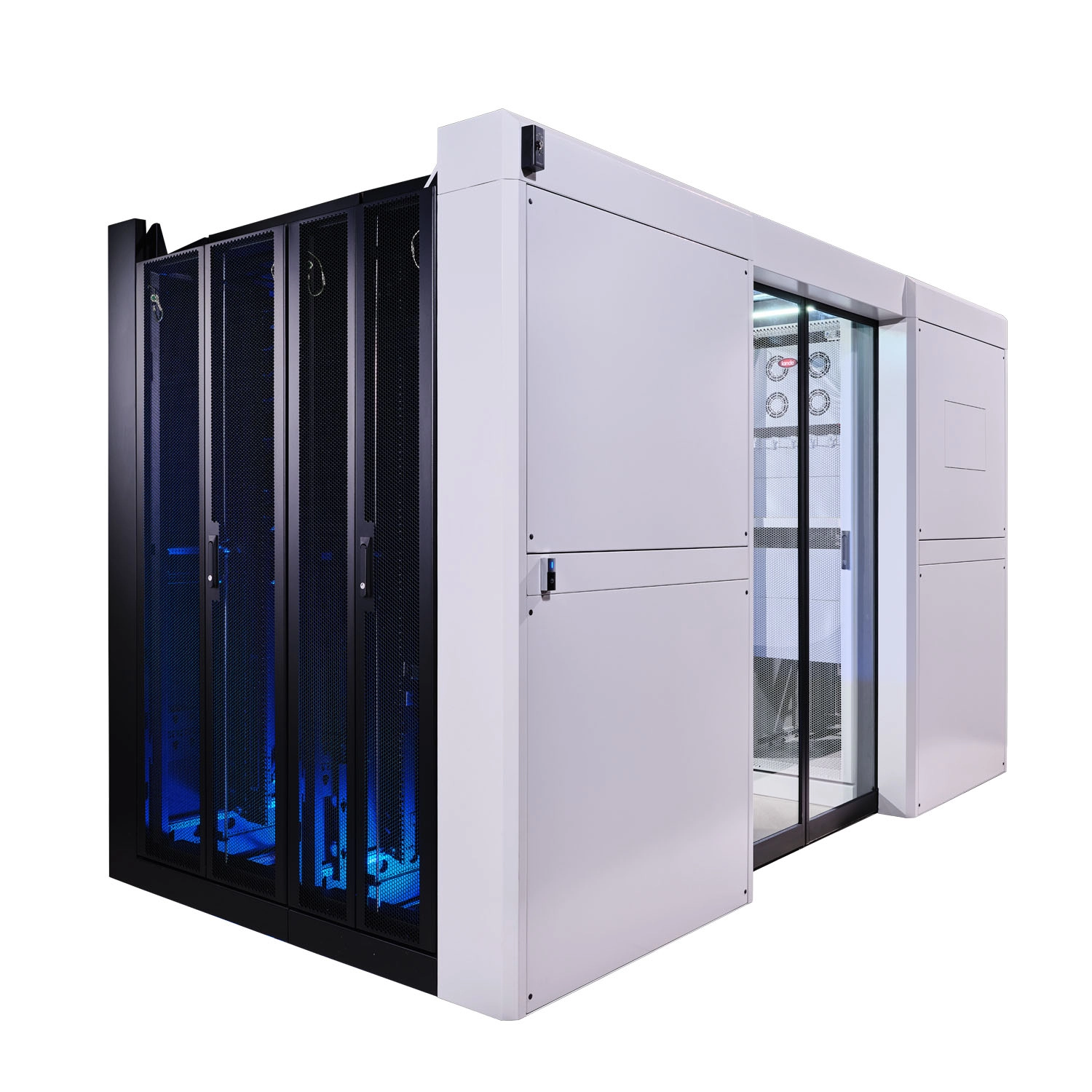
The modular data center market will grow from 29 billion dollars in 2024 to 75–85 billion dollars in 2030. Modular solutions offer rapid deployment, lower upfront investment, scalability and high energy efficiency. The Asia-Pacific region will be the fastest-growing market, with a CAGR of 18–21%.
The colocation market is expanding rapidly as well. The market, estimated at 69–84 billion dollars in 2024, is expected to reach 165–204 billion dollars in 2030. The wholesale colocation segment is particularly strong: hyperscale cloud providers lease multi-megawatt blocks with 15-year contracts, capturing major economies of scale.
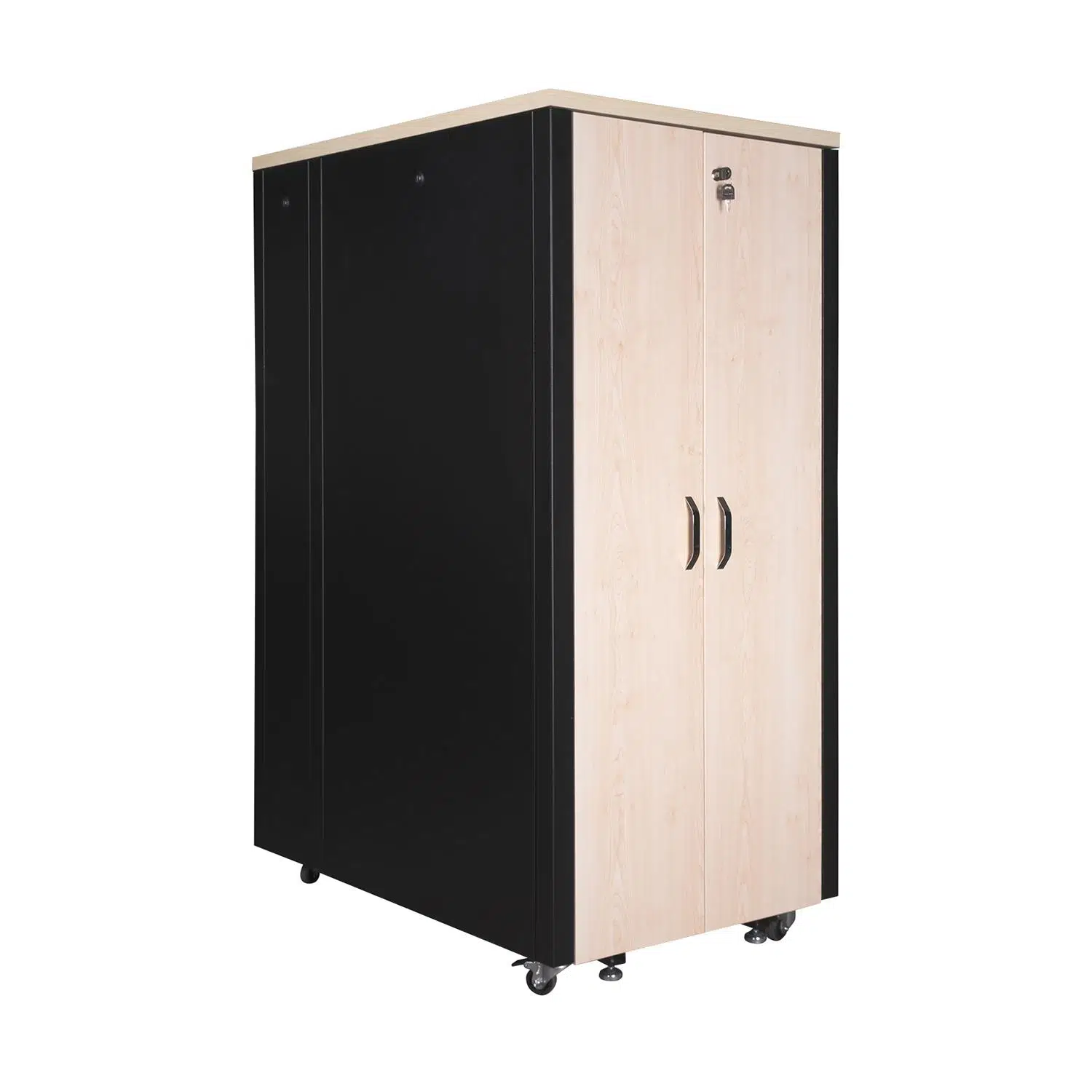
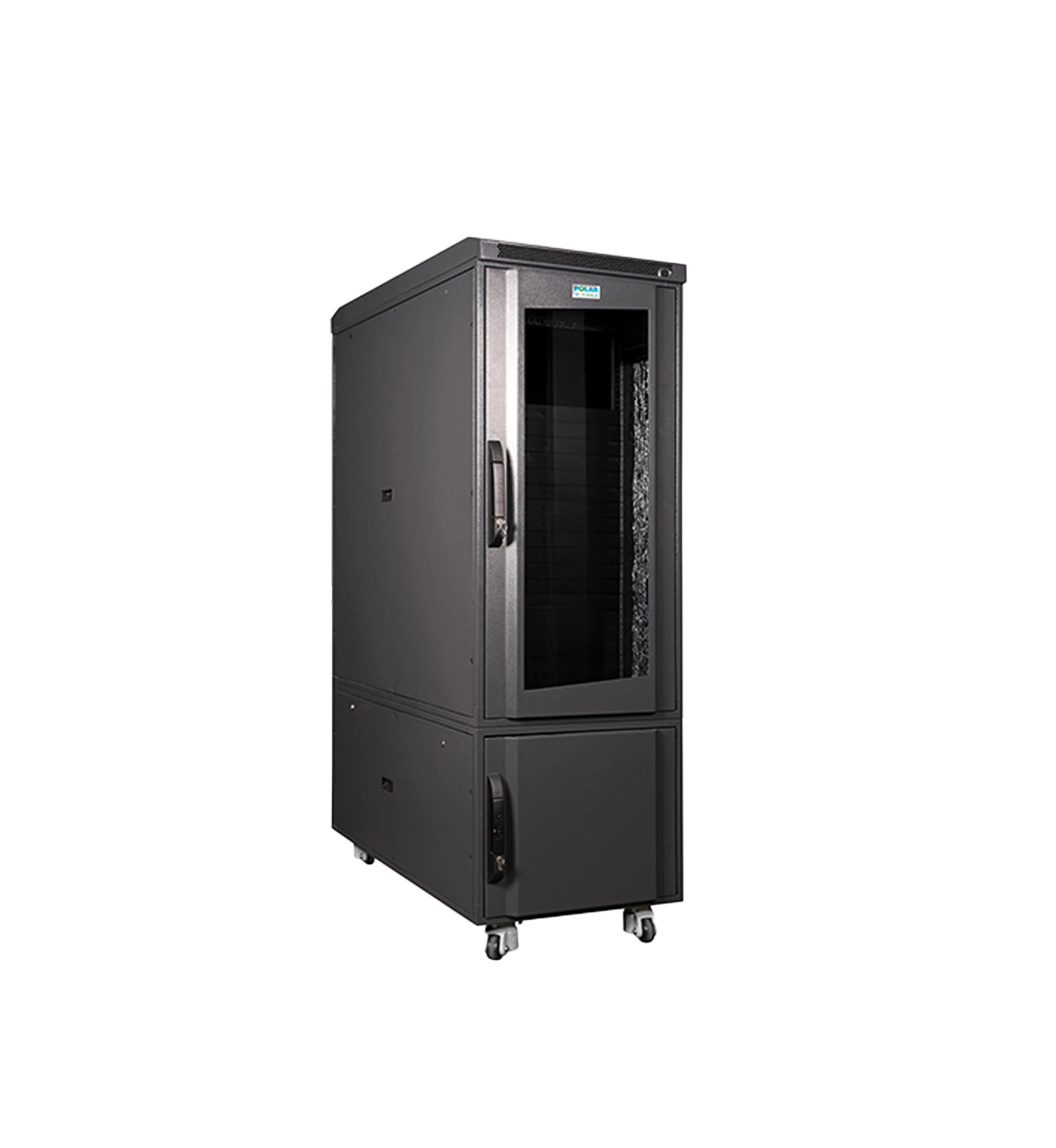
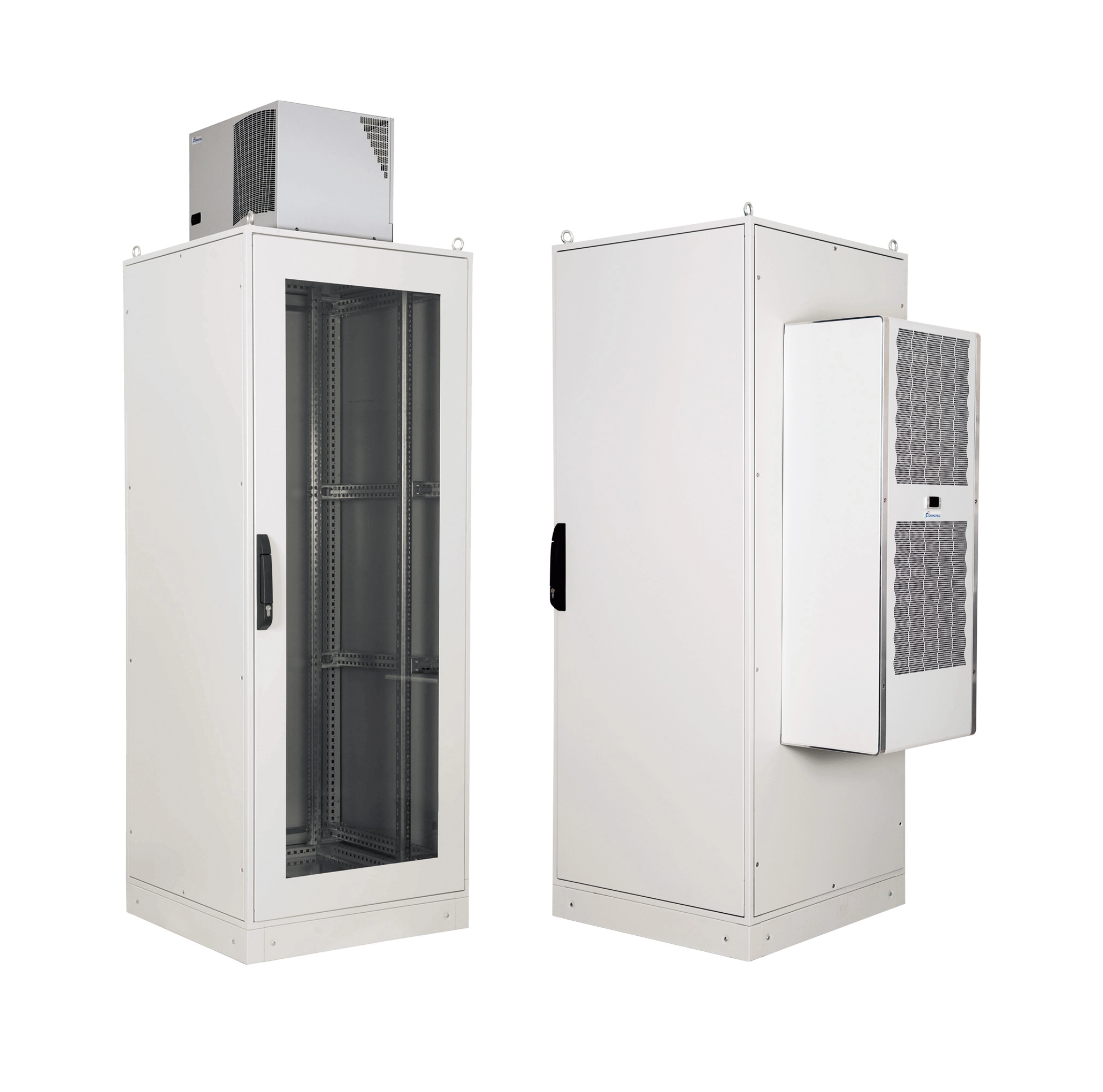
The global data center rack market will grow from 4.1 billion dollars in 2023 to 7.6–9.4 billion dollars in 2030—an annual growth rate between 9.1% and 12.7%. But the real transformation is happening in the standards.
Research by Omdia forecasts a dramatic shift: by 2030, 21-inch Open Rack enclosures will account for 70% of annual revenue, and 60% of shipments will be Open Rack. Traditional 19-inch EIA-310 racks will primarily serve enterprise customers. This transition is accelerating as all major data center operators and server OEMs move to adopt Open Rack designs. AI workloads and high-density server configurations are the main drivers of this change.
Racks above 42U are the fastest-growing segment. As data generation and storage requirements increase, organizations are looking for high-capacity racks that can host more equipment without requiring additional physical space. 23-inch racks will also experience significant growth, offering advanced space and cable management capabilities that help address the thermal management challenges of high-density computing environments.
A critical reality: while rack cabinets may appear to represent only around 2% of the total project cost, their design quality directly impacts the 55–60% of total cost tied to energy, equipment, and floor space. The potential is significant:
20% energy savings
15% reduction in service costs
18% space optimization
This multiplier effect translates into a 66,000–72,000 dollar improvement on a 120,000 dollar rack TCO.
Türkiye’s data center market will experience remarkable growth by 2030. The colocation market is expected to reach 476 million dollars by 2030, with annual growth of 19.8%. There are currently 32 colocation facilities in operation, 4–5 new facilities in planning, and anticipated investments of around 2 billion dollars.
The geographic distribution is notable:
İstanbul holds 65–78% of the market and hosts 19–20 facilities.
Ankara is the capital of the future—60–70% of upcoming capacity will be built there.
İzmir is an emerging star: it is expected to reach 17 MW of capacity by 2030, with the Vodafone–DAMAC campus opening in 2025.
President Erdoğan’s announced strategy aims to position Türkiye as a regional data center hub: 1 gigawatt of capacity and 10 billion dollars of investment by 2030. The Turkcell–Google Cloud partnership is at the forefront of this vision. The 3 billion dollar project will begin construction in 2026 and is expected to be operational in 2028, with an estimated annual economic contribution of 5 billion dollars. It will be Google Cloud’s 43rd global region, and thanks to the Sovereign Cloud model, data will remain within Türkiye.
The Digital Türkiye 2024–2028 Program will drive the digital economy target up to 30 billion dollars. Data localization requirements will push banks and public services towards Ankara-based facilities. The finance sector and AI model training will migrate to top-tier (Tier IV) data centers.
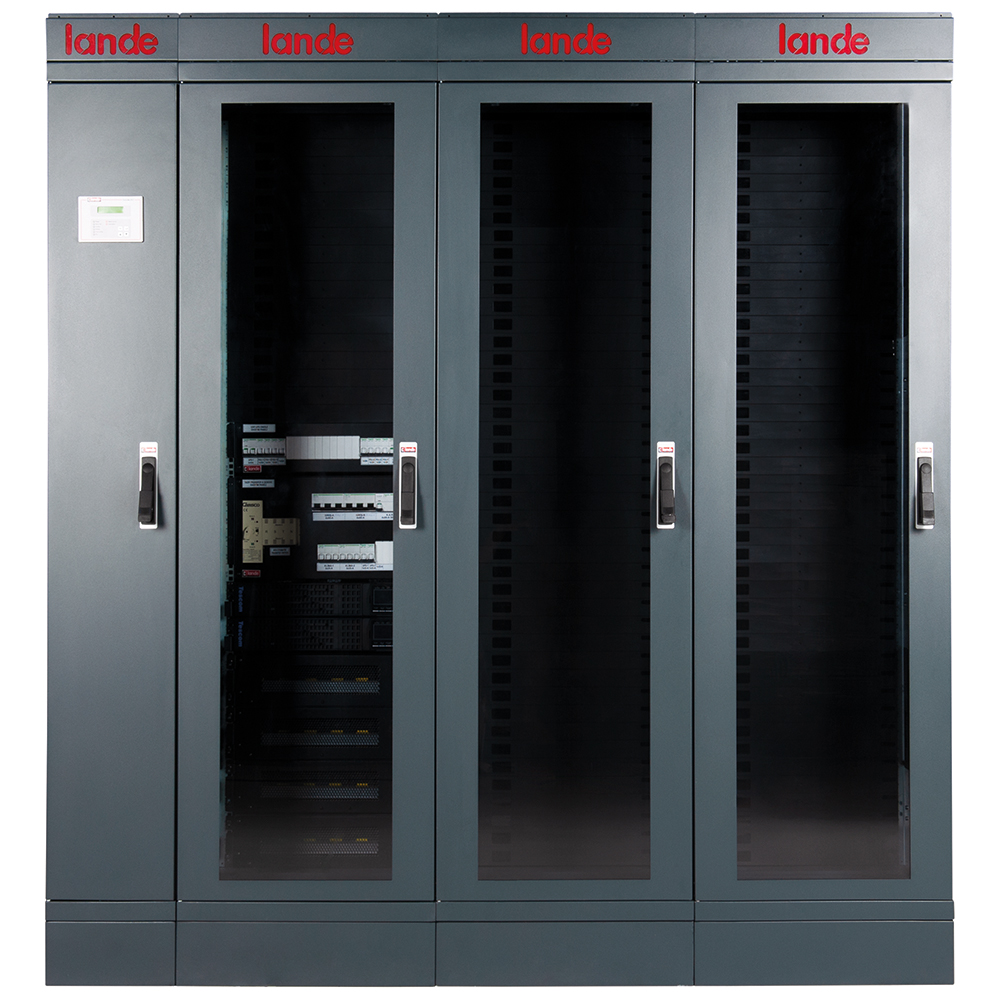
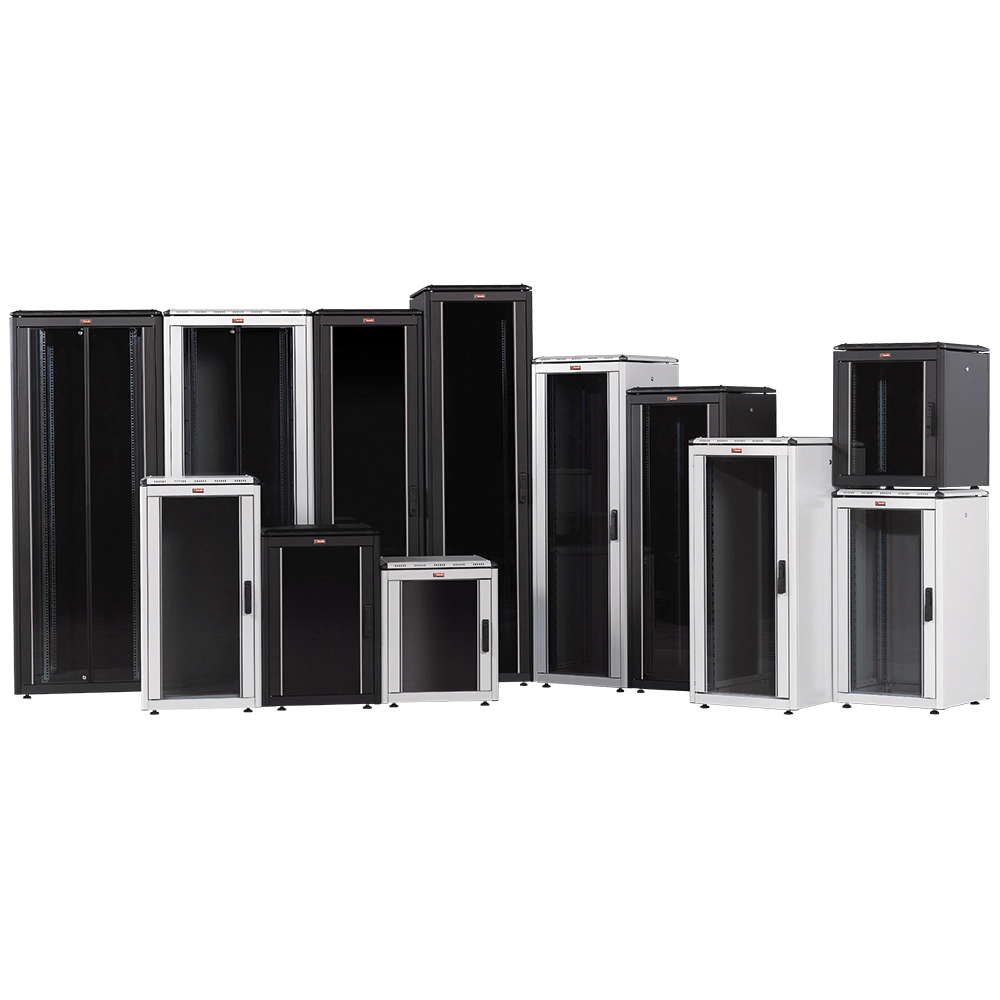
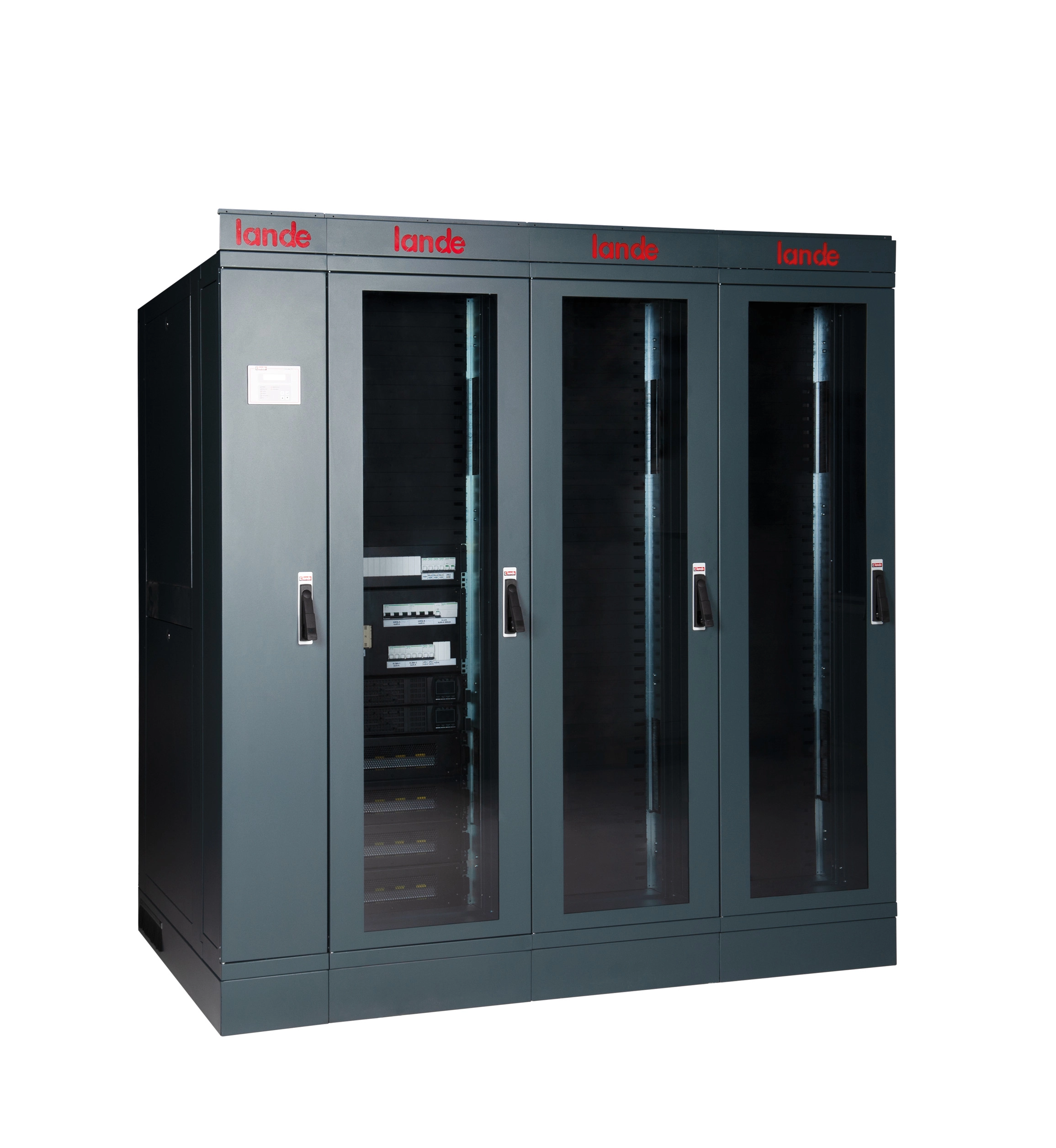
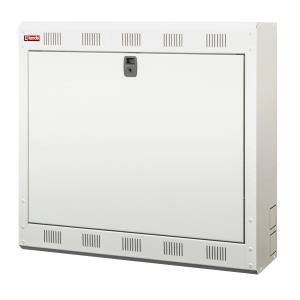
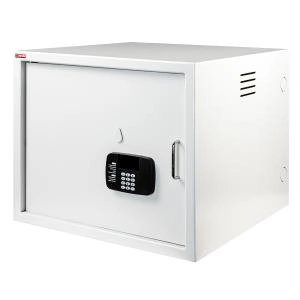
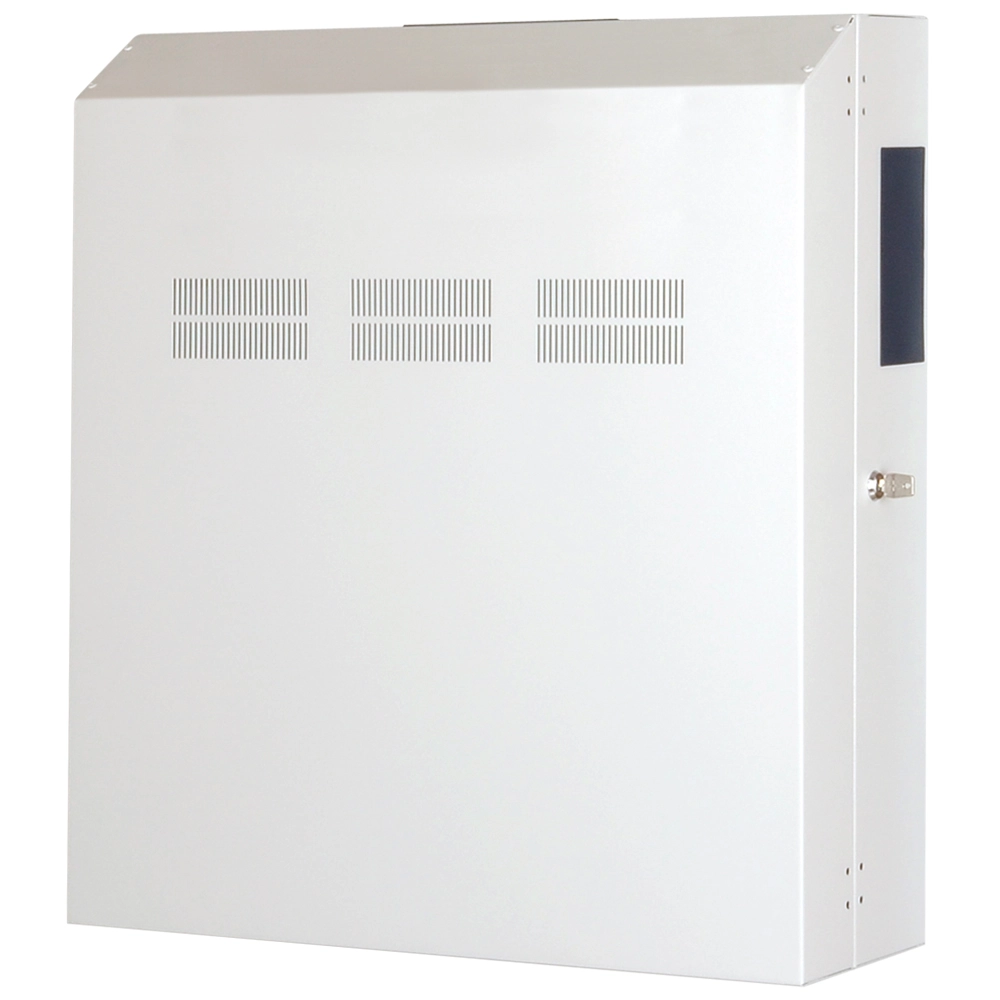
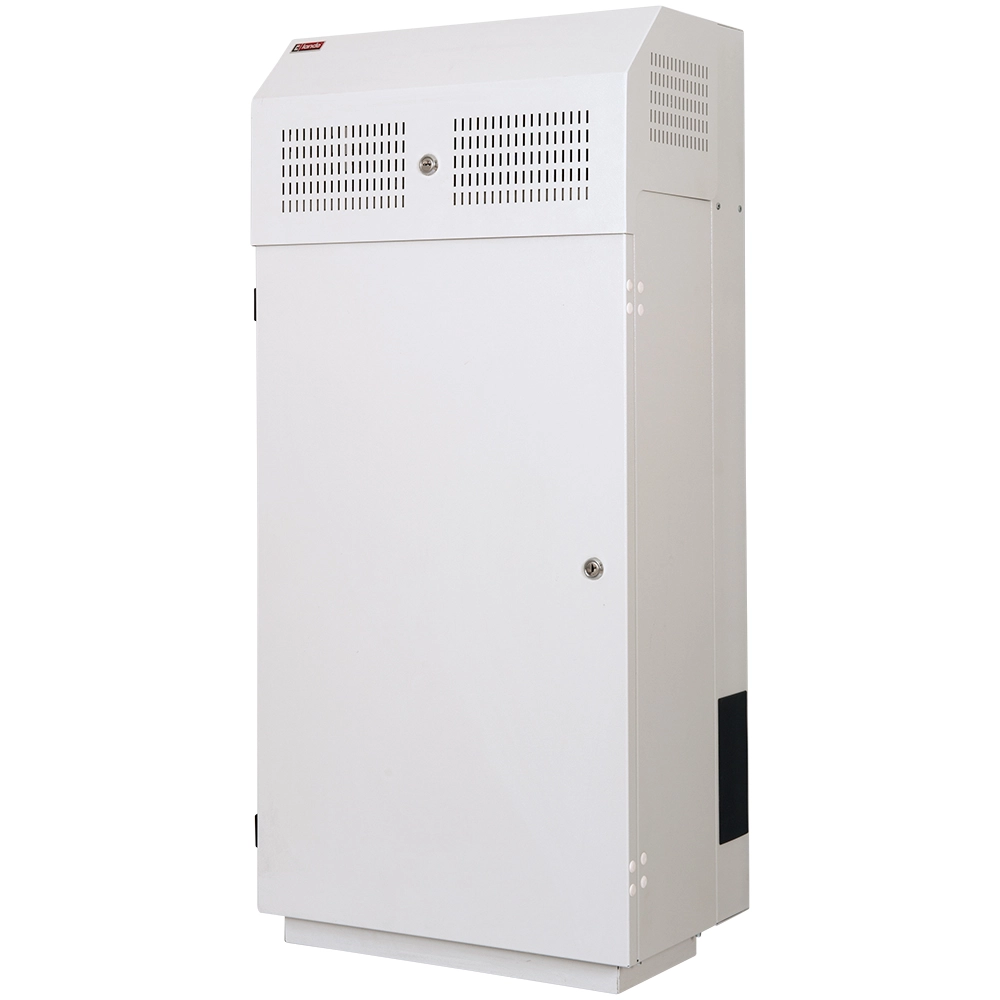
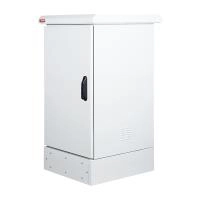
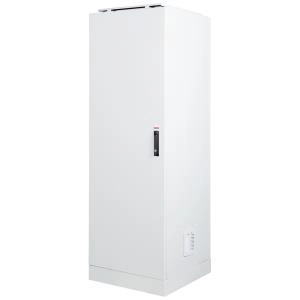
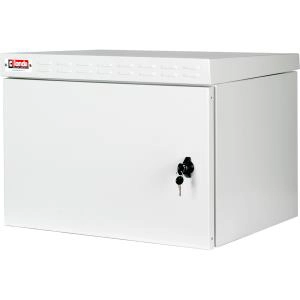
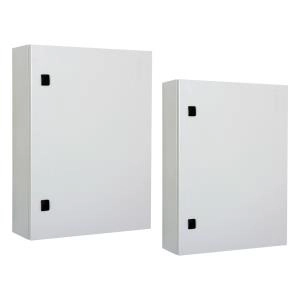
Lande Rack Cabinet is the undisputed leader of the rack cabinet market in Türkiye. With a market share of 45–50%, the company has maintained its leadership not only through volume, but also through innovation and technology since 2012.
Production capacity and scalability:
Located in the Eskişehir Organized Industrial Zone, Lande’s factory has 20,000 square meters of indoor space and a daily production capacity of 1,500 units. More importantly, this facility has been designed so that capacity can be increased two to even four times when needed. Aware that thousands of racks will be used in mega projects such as the 3 billion dollar Turkcell–Google Cloud initiative, and that the Turkish market will grow by 196% by 2030, Lande has strategically built this scalable infrastructure.
Technical solutions and AI-ready infrastructure:
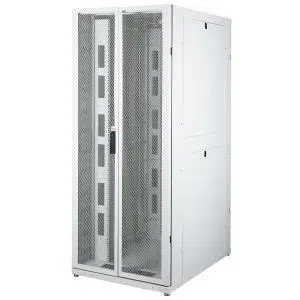
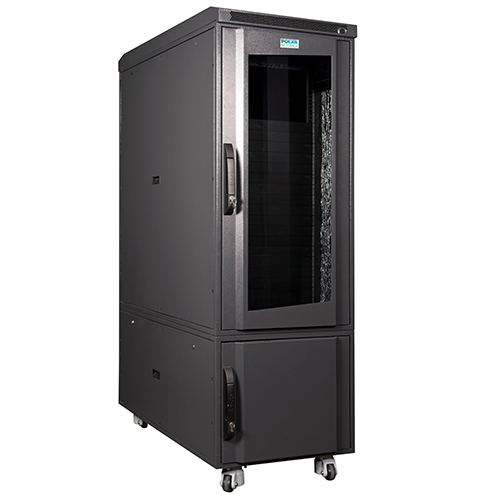
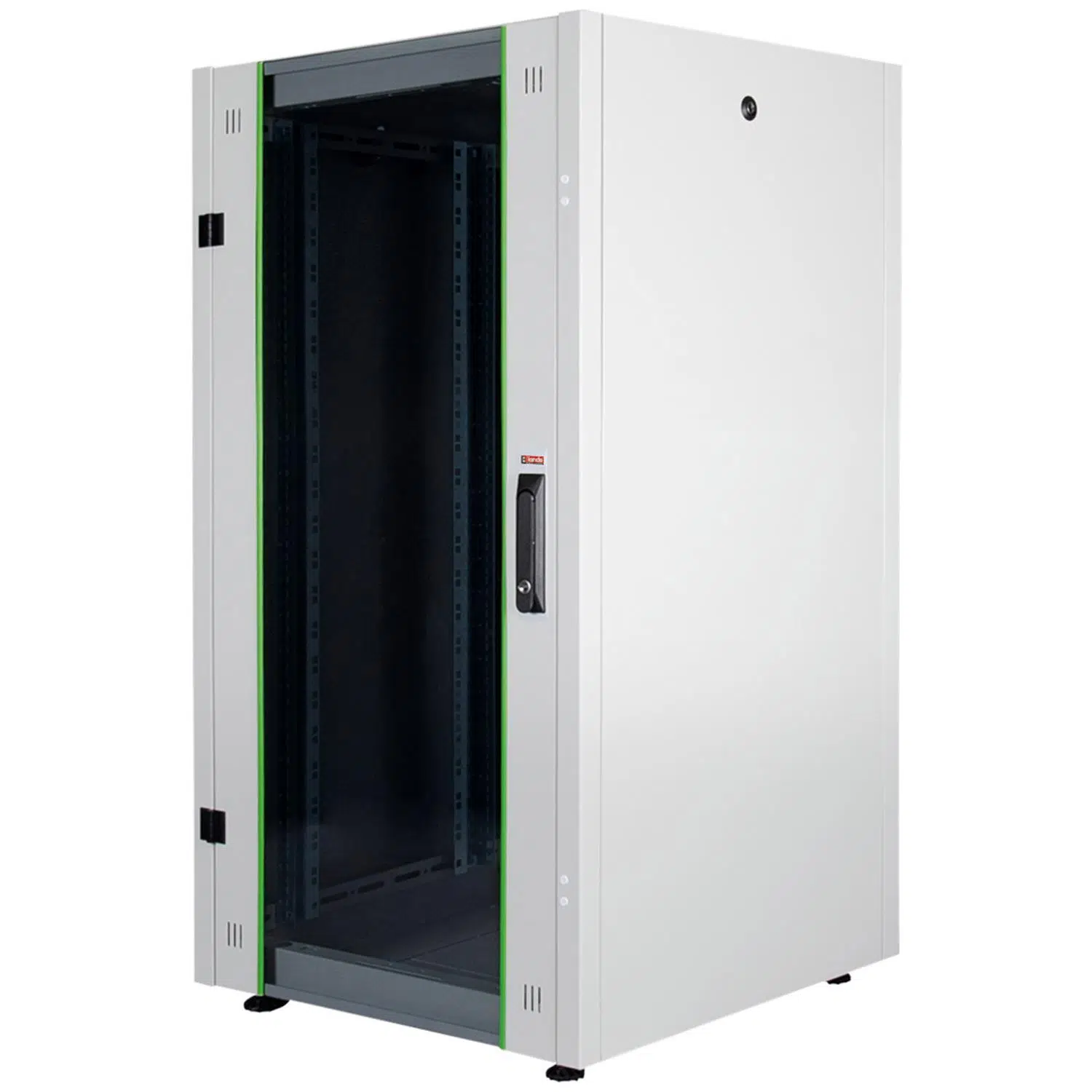
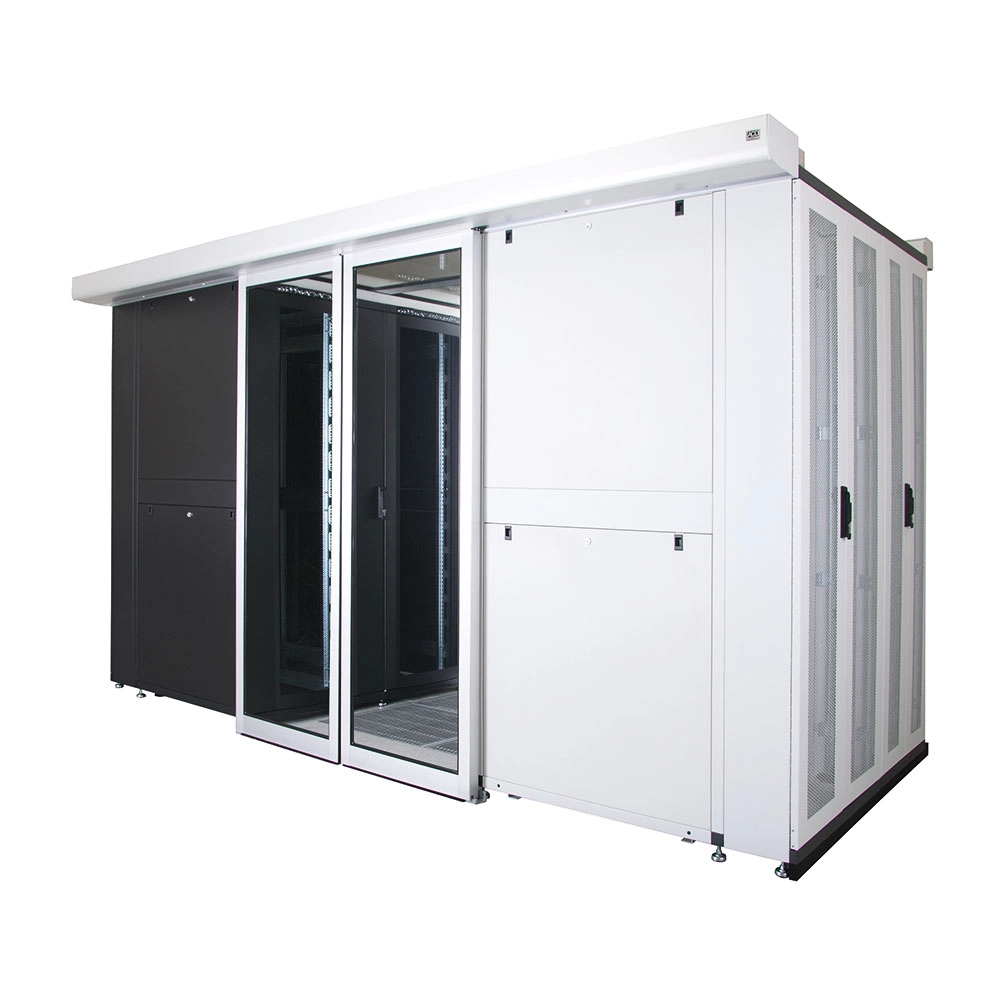
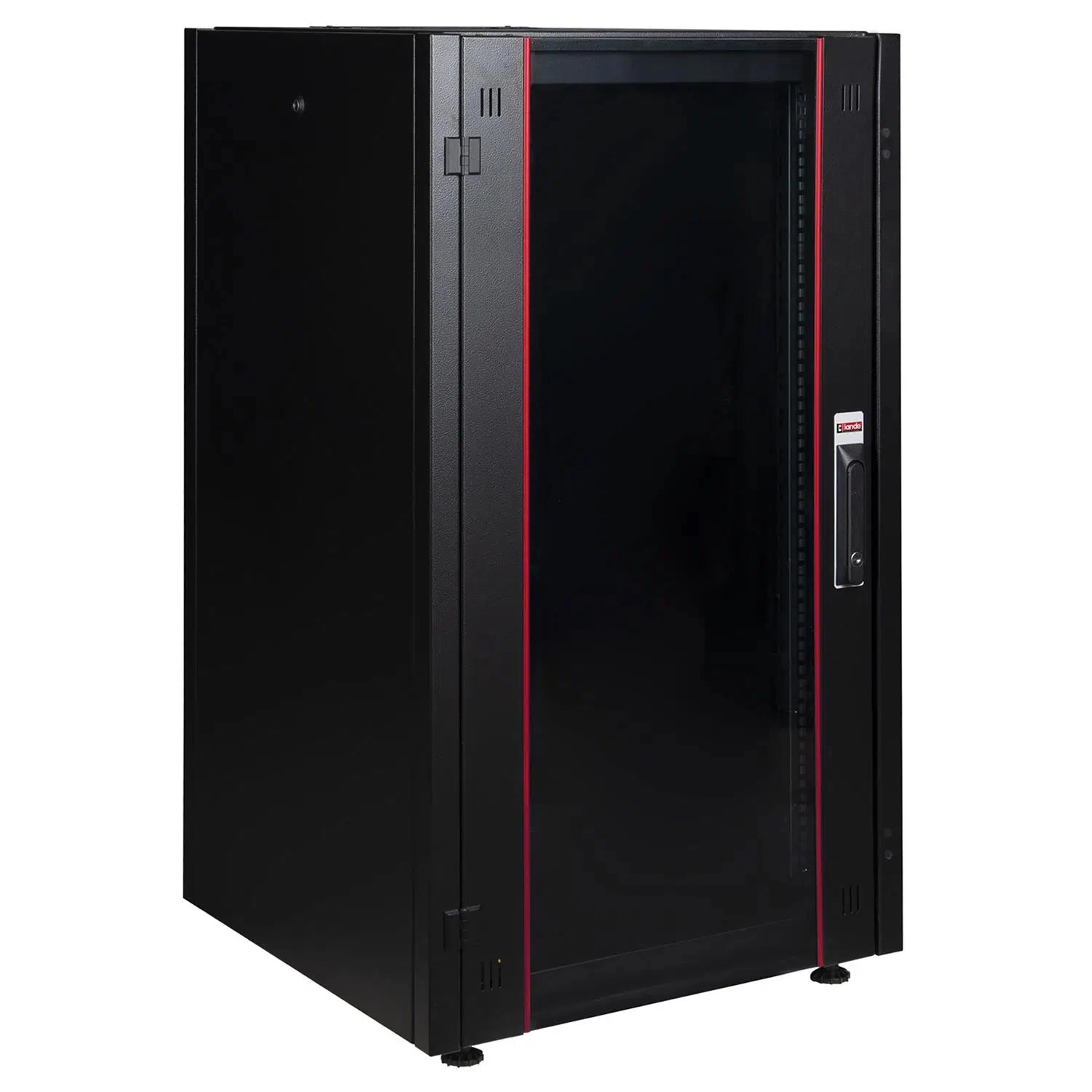
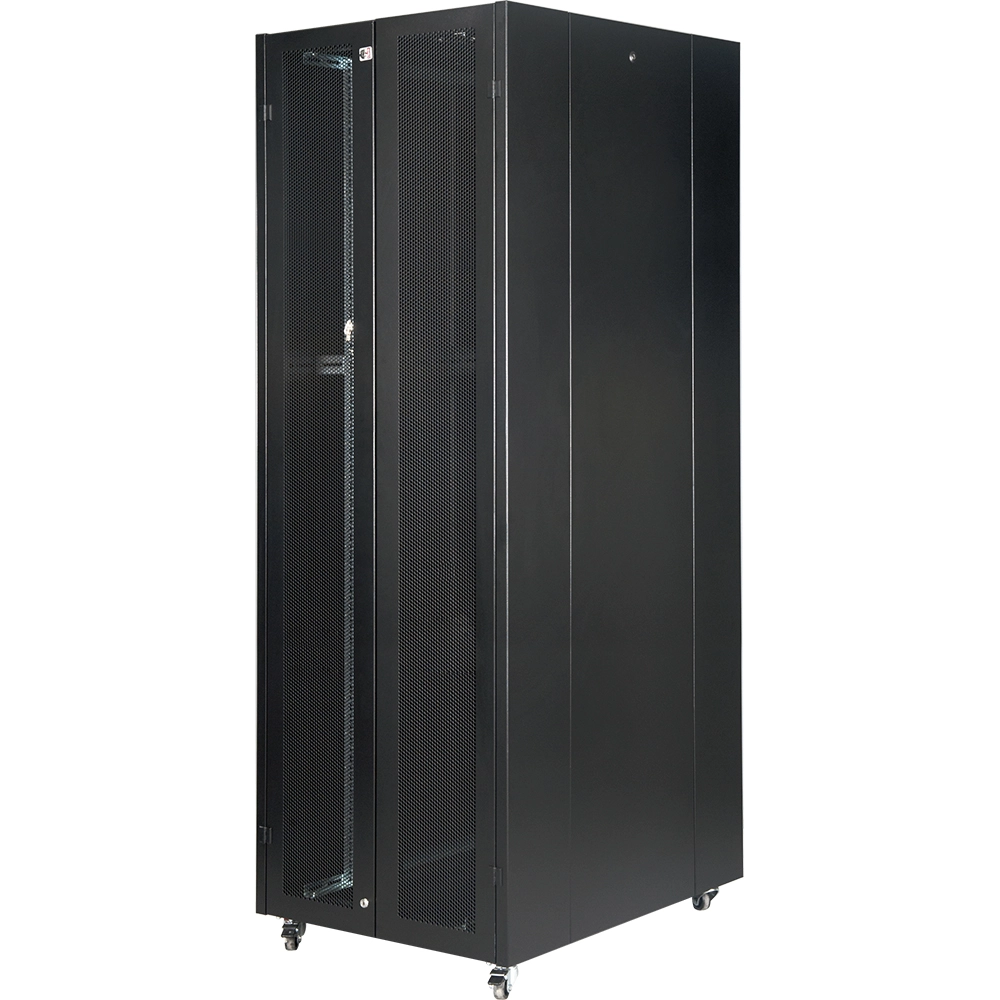
Lande’s solutions are ready for the high power densities required by artificial intelligence. The T.R.O.Y.A. series is designed to host more than 100 kW of power per rack. Liquid cooling integration is a standard feature. Lande offers 21-inch Open Rack solutions—which are expected to represent 70% of the market by 2030—in 42U and 45U/48U, even up to 65U, along with fully customized options tailored to specific needs.
Proof points of global leadership:
In 2019, Lande became the first organization from Türkiye to be accepted into the European Union’s Code of Conduct for Data Centres. Within the European Union’s Horizon 2020 ECO-Qube Project, it is working with 10 partners from 6 countries on AI-assisted cooling and energy management. From its base in Rome, Lande Italy collaborates with Europe’s major operators, including TIM and Open Fiber.
Value proposition:
Lande’s rack solutions deliver:
20% energy savings
15% reduction in service costs
18% space optimization
43% improvement in equipment efficiency
For a rack investment of 120,000 dollars, this corresponds to 66,000–72,000 dollars in savings.
Sustainability and certifications:
Lande holds international certifications such as TS EN ISO 9001, ISO 14001, UL, GOST-R and EIA-310-E. It embraces circular economy principles with a carbon-neutral production target. Compliance with Digital Product Passport (DPP) requirements—now becoming a competitive necessity in the European market—is already ensured in the new-generation T.R.O.Y.A series.
The data center industry will experience a golden era between 2025 and 2030. The total market will grow from 418 billion dollars to 692 billion dollars (65% growth); the hyperscale segment from 163 billion to 609 billion dollars (274% growth); the liquid cooling market from 6.7 billion to 17.8 billion dollars (166% growth); and the rack market from 5.2 billion to 9.4 billion dollars (81% growth).
Türkiye will also see strong expansion: the colocation market will grow from 161 million dollars to 476 million dollars. Data center capacity, currently around 66–120 MW, is expected to reach 140 MW. The Turkcell–Google Cloud facility will be operational in 2028.
The key technological drivers of 2030 will be: energy efficiency, scalability, sustainability and innovation. The 21-inch Open Rack standard will account for 70% of revenue. Liquid cooling will become standard in high-density AI systems. Edge data centers will grow into a 110 billion dollar market.
Lande aims to be one of the global authorities shaping this transformation. Its 45–50% market leadership in Türkiye, factory infrastructure scalable up to four times, AI-ready T.R.O.Y.A. solutions, proven innovation in Europe (EU Code of Conduct, Horizon 2020) and global footprint (Lande Italy, TIM, Open Fiber) form the backbone of this vision.
As the data center market grows, two things are happening simultaneously: technology is changing rapidly, and projects are scaling up. In this new era, the winners will be the players who are prepared for high-density architectures, who embed energy efficiency into the design from day one, and who secure their supply chains.
Türkiye’s ambition to become a regional data center hub (10 billion dollars of investment, 1 GW capacity), combined with strong local manufacturing and engineering capabilities, creates a powerful window of opportunity for domestic companies. With its scalable production infrastructure and data-center-focused engineering approach, Lande Rack Cabinet aims not to be a passive observer in this window, but to be the player that raises the standard.
In a period when the global market is growing with 10–25% CAGR, electricity consumption is doubling, and hyperscalers reach a 61% market share, Lande is resolutely positioning itself as one of the leading actors shaping the industry in both Türkiye and the world.
Synergy Research Group – Hyperscale Data Center Count Hits 1136; Average Size Increases (2025)
Synergy Research Group – The World’s Total Data Center Capacity is Shifting Rapidly to Hyperscale Operators (2025)
International Energy Agency (IEA) summarized by S&P Global Commodity Insights – Global data center power demand to double by 2030… 945 TWh (2025)
McKinsey & Company – The cost of compute: A $7 trillion race to scale data centers (2025)
Goldman Sachs – AI to drive 165% increase in data center power demand by 2030 (2025)
Omdia (Informa Tech) – Open Rack enclosures set to become the de facto standard in AI data centers by 2030 (2025)
Grand View Research – Data Center Rack Market (2030 outlook) (2024)
Grand View Research – Data Center Liquid Cooling Market (2030 outlook) (2024)
Grand View Research – Edge Data Center Market (forecast) (2024)
Invest in Türkiye (InvestTurkey) – Turkcell and Google Cloud to establish Türkiye’s first hyperscale region (2025)


LANDE © 2026 All Rights Reserved.

0
)