
×
product
Product Added to Cart

    DRC-Disaster Recovery Center

    mceclip0-bqh3e.png


    In today's digital world, data is every organization's most valuable asset. Earthquakes,
    fires, floods, and cyberattacks can destroy years of critical information in seconds. This
    is where the Disaster Recovery Center (DRC) plays a vital role — an essential component
    of modern IT governance that guarantees uninterrupted service delivery under any
    disaster scenario.


    What Is a DRC?

    A Disaster Recovery Center (DRC) is a secondary IT infrastructure that mirrors an organization's critical systems. When the primary data center becomes unavailable for any reason, the DRC — located in a geographically separate site — takes over operations and maintains business continuity.

    Primary Data Center
    Handles all daily operations and live workloads.

    ️ DRC — Disaster Recovery Center
    Activates automatically when the primary site fails.

    A notable Turkish example: Istanbul Metropolitan Municipality (IMM/İBB) established a DRC in Ankara in 2023 to protect city data against earthquakes and major disasters. Critical public services for Istanbul can continue uninterrupted even during a catastrophic event.

    How a DRC Works

    A DRC operates on three core pillars: data backup, replication, and automated failover.

    1. Data Backup

    Data is regularly copied to offsite locations and kept ready for activation.

    ▸ Cloud-based: AWS, Azure, Google Cloud

    ▸ Physical: Secondary data centers in different cities

    2. Data Replication

    Maintains multiple synchronized copies of data at all times.

    ▸ Synchronous — Instant mirror write, near-zero data loss. Ideal for banks and critical infrastructure.

    ▸ Asynchronous — Batched interval sync. Faster th
    roughput with a small acceptable data-loss window.


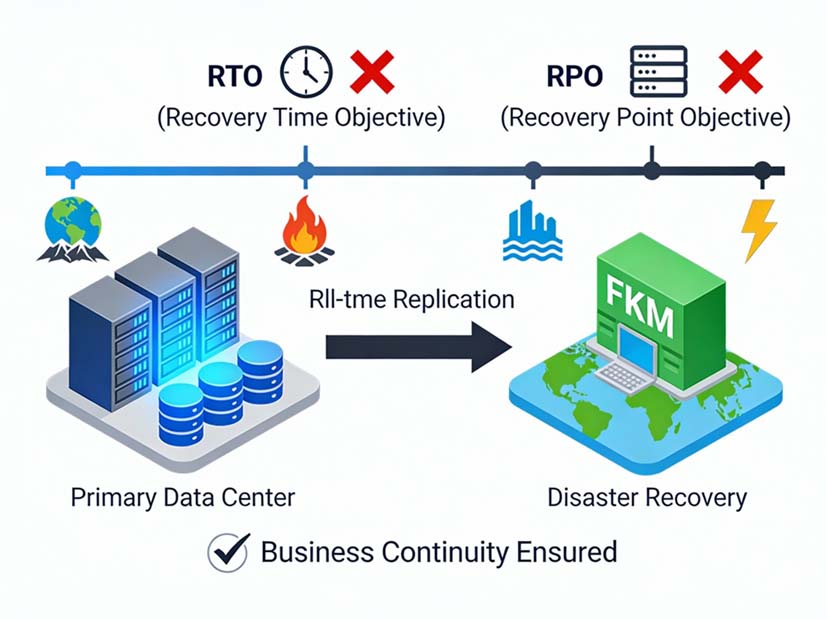
    RTO & RPO: The Critical DRC Metrics

    resim2-hcchb.jpg

    RTO — Recovery Time Objective
    How quickly systems must be restored after a disaster.

    ▸ Critical systems: 15 minutes

    ▸ Important systems: 1–4 hours

    ▸ Standard systems: 8–24 hours

    RPO — Recovery Point Objective
    Maximum acceptable data loss measured in time.

    ▸ Financial transactions: 0–15 min (near real-time)

    ▸ Customer database: 30–60 min

    ▸ Archival 24 hours

    The shorter the RTO, the more investment is required in hot-standby systems — which directly raises infrastructure costs. Setting realistic RTO/RPO values based on actual business requirements is essential for cost-effective DRC design.


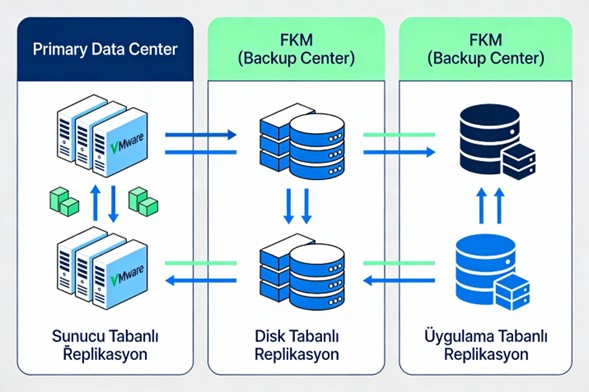
    Replication Technologies Used in DRC

    resim3-toed8.jpg

    Server-Based Replication

    Entire virtual machines are replicated to the DRC using tools such as VMware SRM (Site Recovery Manager). Enables automated failover from primary to backup site. Easy to implement and widely adopted.

    Storage-Based Replication

    All or selected storage volumes are replicated to the DRC. Primary and backup sites must use compatible storage hardware from the same vendor. Common solutions: EMC RecoveryPoint, Veeam Backup & Replication.

    Application-Based Replication

    Databases and software applications natively push data to the DRC. Lower upfront cost, but software licensing and support requirements may offset the expected savings.

    Key Advantages of a DRC


    Business Continuity
    Services stay online even during major disasters.


    Customer Trust
    Continuous availability preserves client confidence and SLAs.


    Regulatory Compliance
    Banks and financial institutions are legally required to maintain a DRC.


    Financial Protection
    Minimizes losses caused by data loss or downtime.


    Competitive Edge
    Crisis-resilient organizations protect and grow market share.


    Cyber Resilience
    Clean recovery point following ransomware or cyberattacks.

    DRC Case Studies in Turkey


    Istanbul Metropolitan Municipality (IMM)


    ▸ DRC established in Ankara in 2023

    ▸ All critical IMM data backed up regularly

    ▸ Activated in case of earthquake, flood, or fire

    ▸ Ensures uninterrupted public services for Istanbul

    Government Agencies & Universities

    ▸ AFAD operates AYDES — nationwide disaster management platform

    ▸ Coordinates emergency response across all provinces

    ▸ Dumlupınar University and others run their own DRC systems

    ▸ Growing DRC adoption trend across the public sector


    DRC Planning: Eight Essential Steps


    1 Risk Analysis

    Identify disaster scenarios your organization may face.

    2 Critical Systems Inventory

    Determine which data and systems require priority protection.

    3 Define RTO & RPO

    Set recovery parameters aligned with actual business requirements.

    4 Technology Selection

    Choose server-based, storage-based, or application-based replication.

    5 Infrastructure Setup

    Deploy physical servers, storage arrays, and network devices at the DRC site.

    6 Disaster Drills

    Simulate failure scenarios and verify recovery procedures end-to-end.

    7 Staff Training

    Train IT personnel on DRC activation, failover, and management procedures.

    8 Ongoing Maintenance

    Schedule regular updates, audits, and tests of all DRC components.

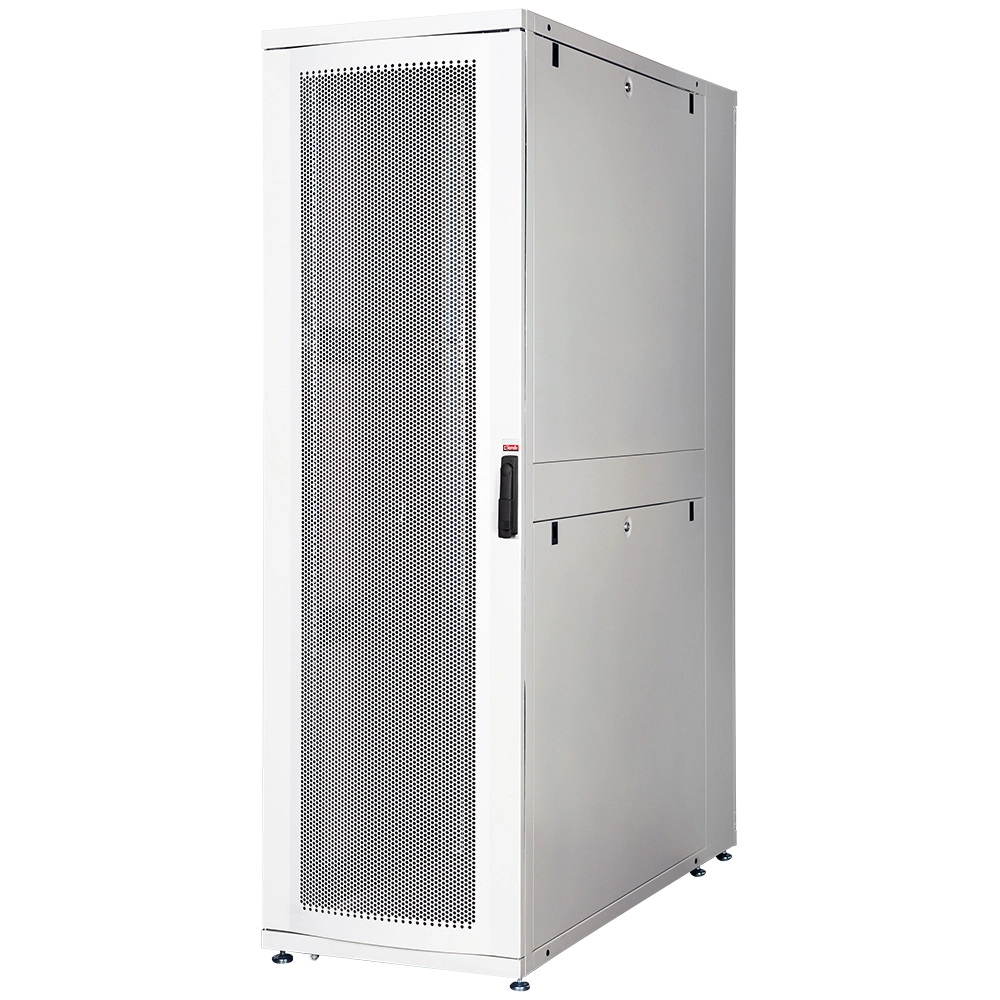
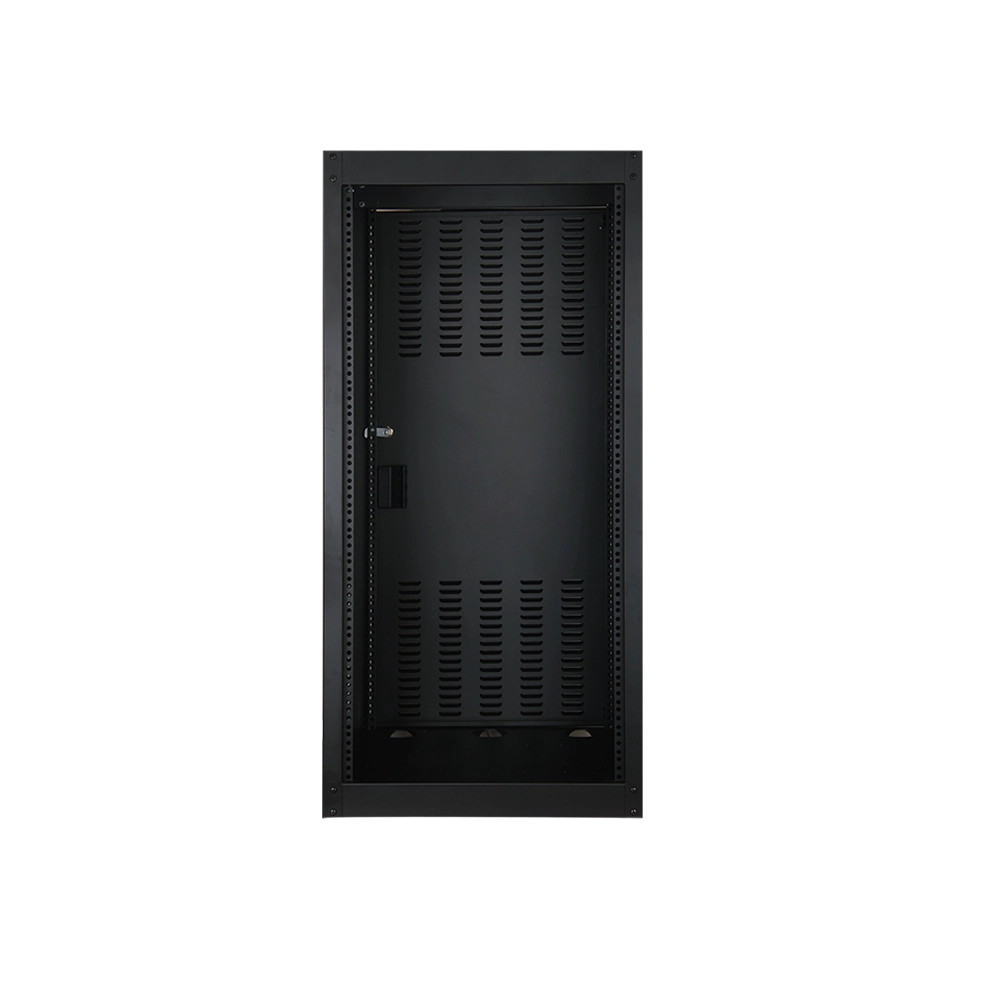
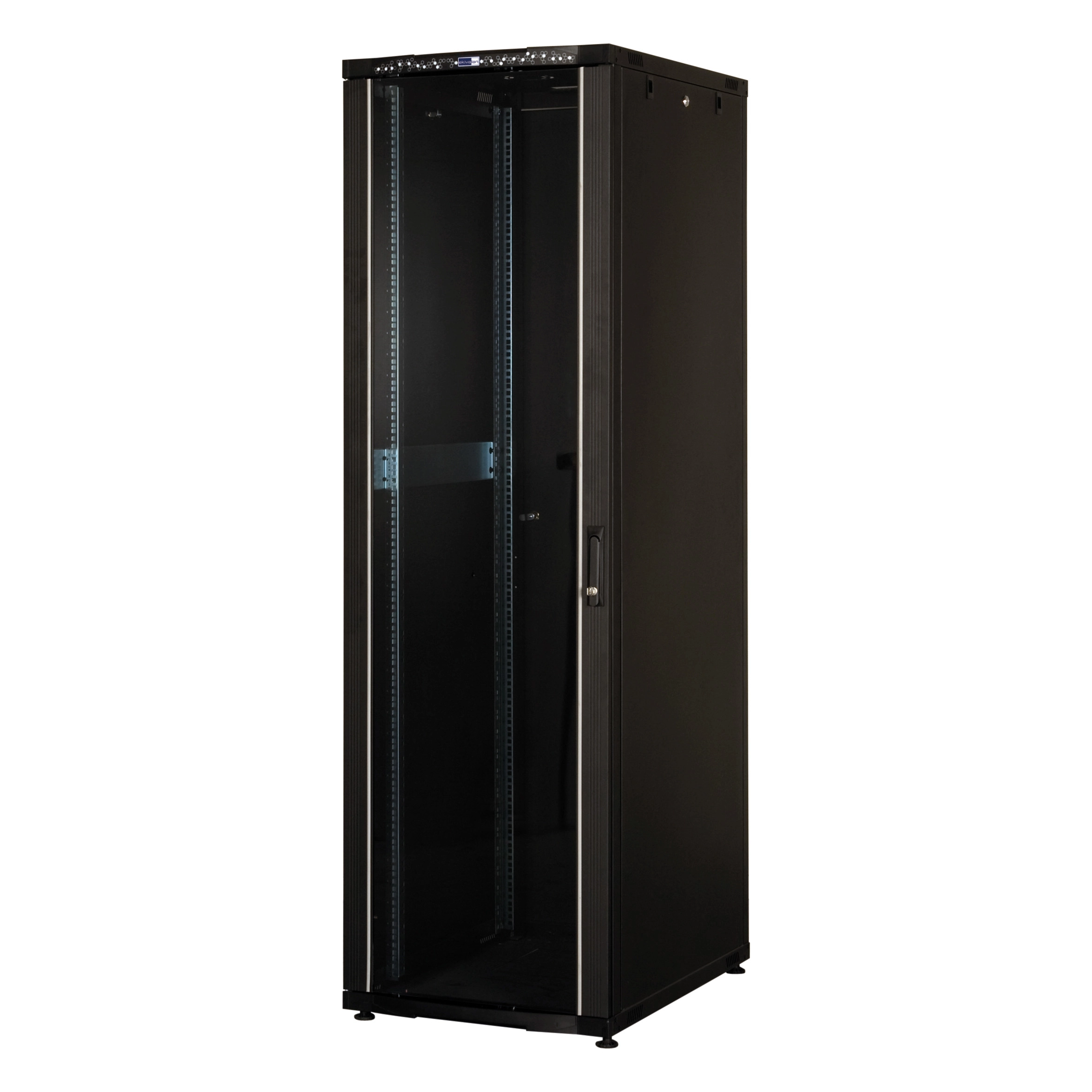
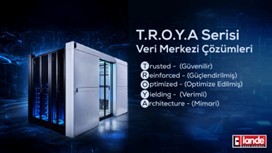
    LANDE T.R.O.Y.A Solution for DRC Infrastructure


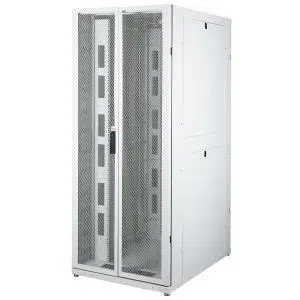
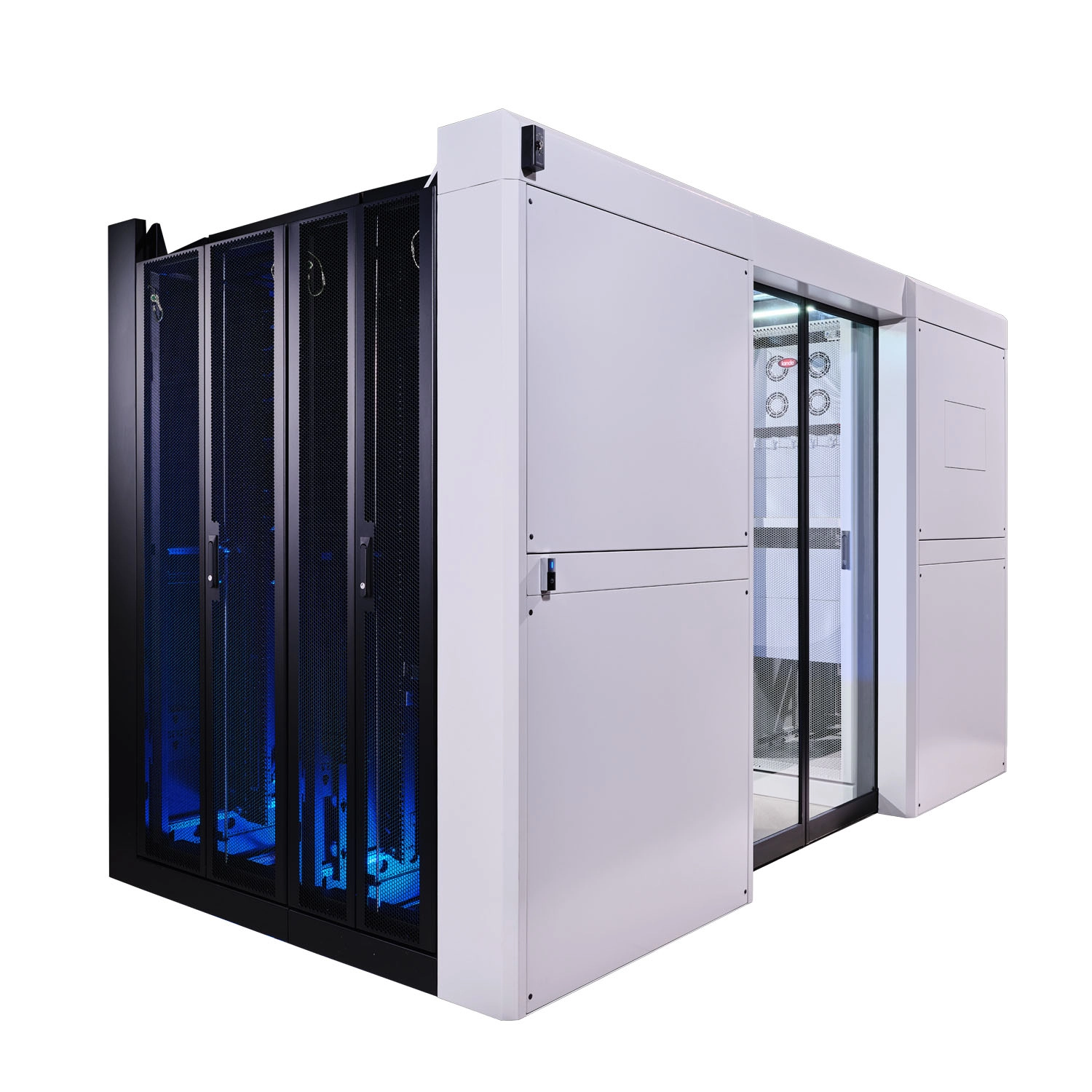
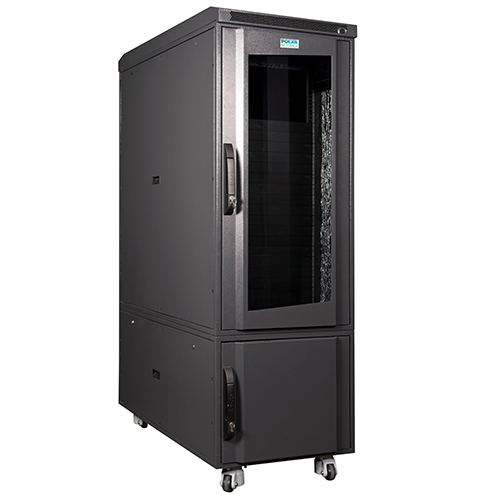
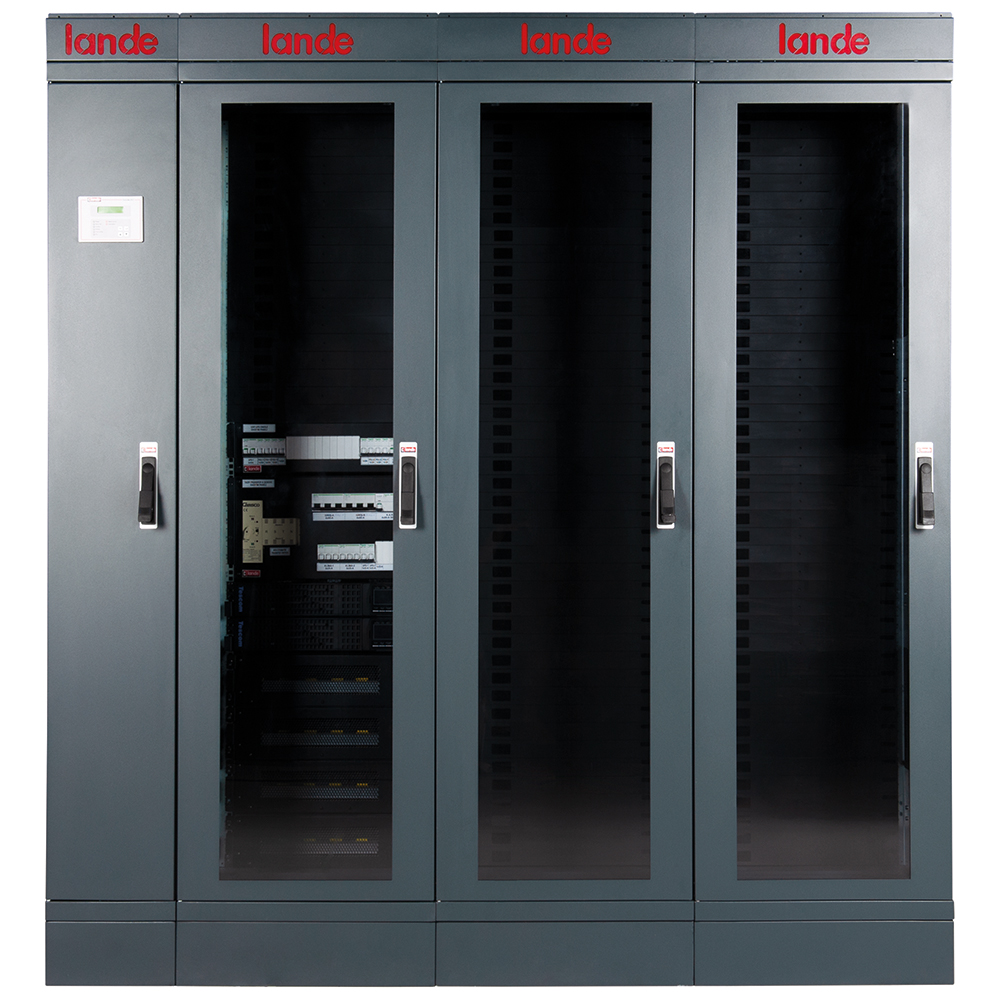
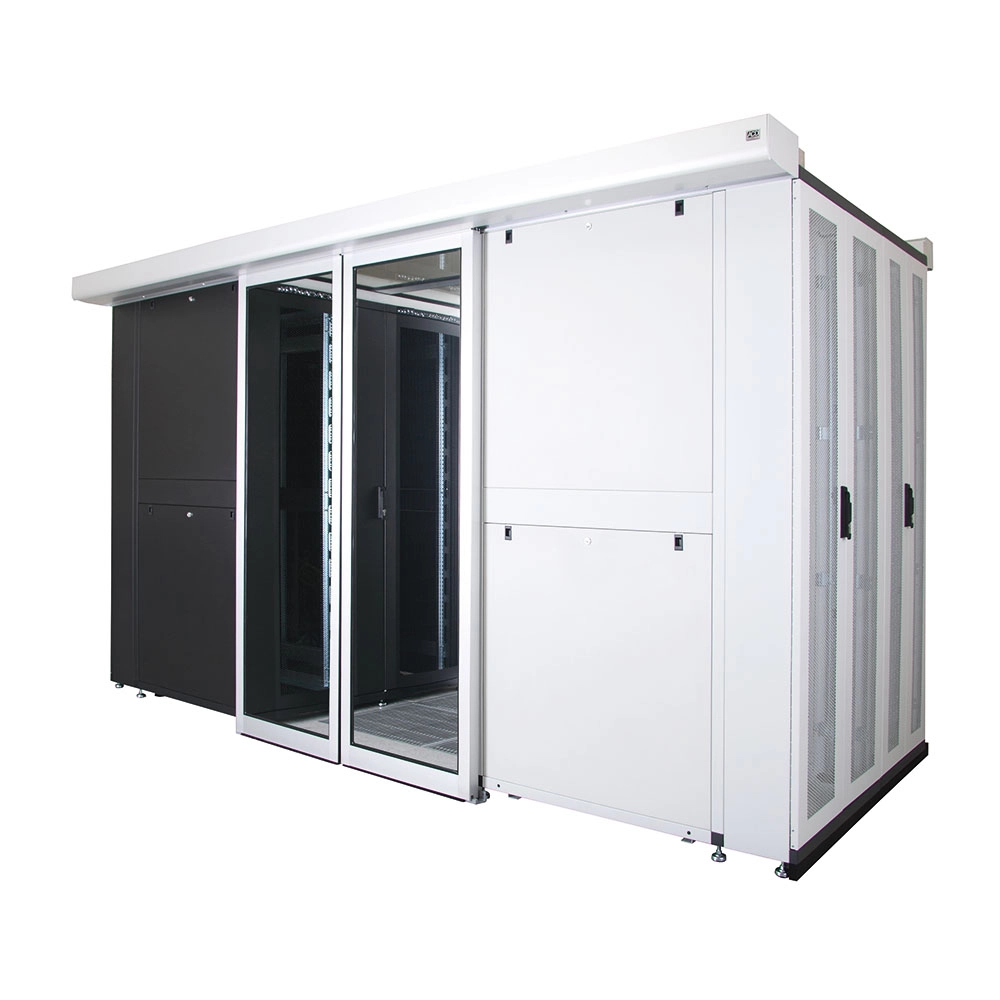
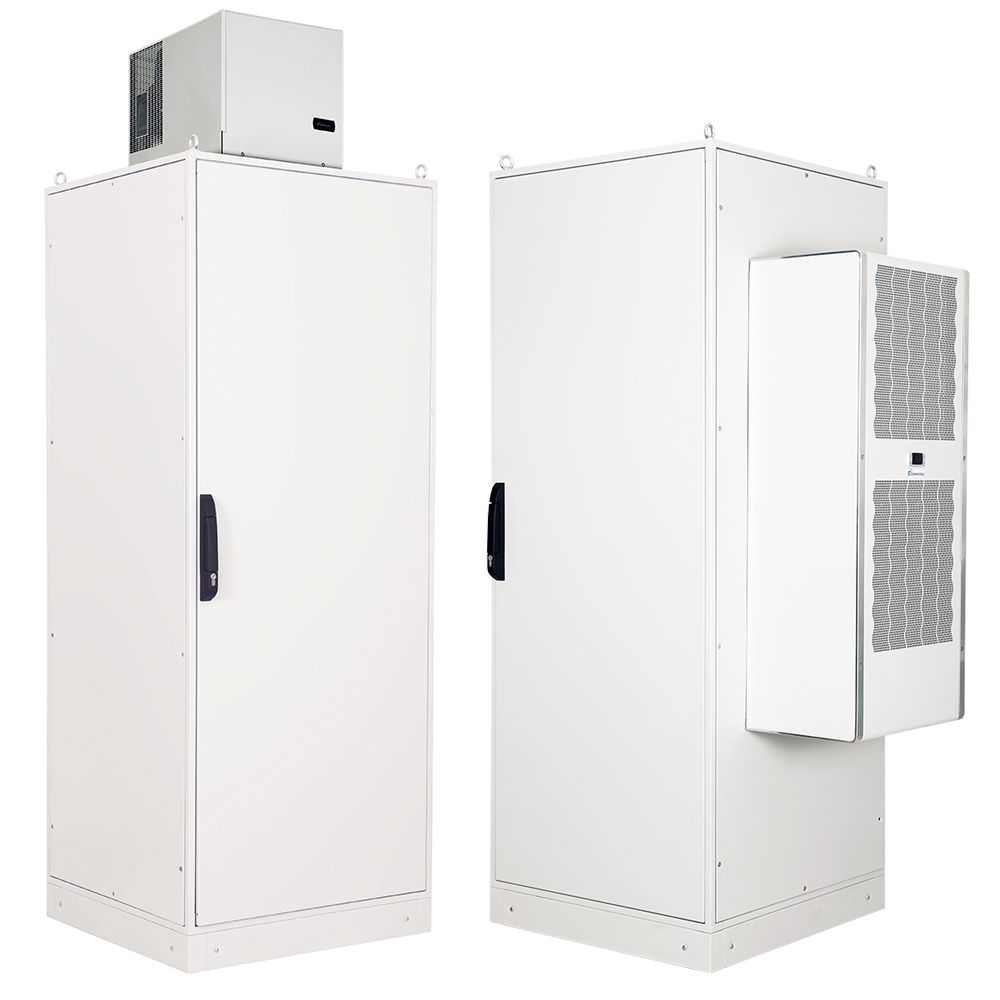
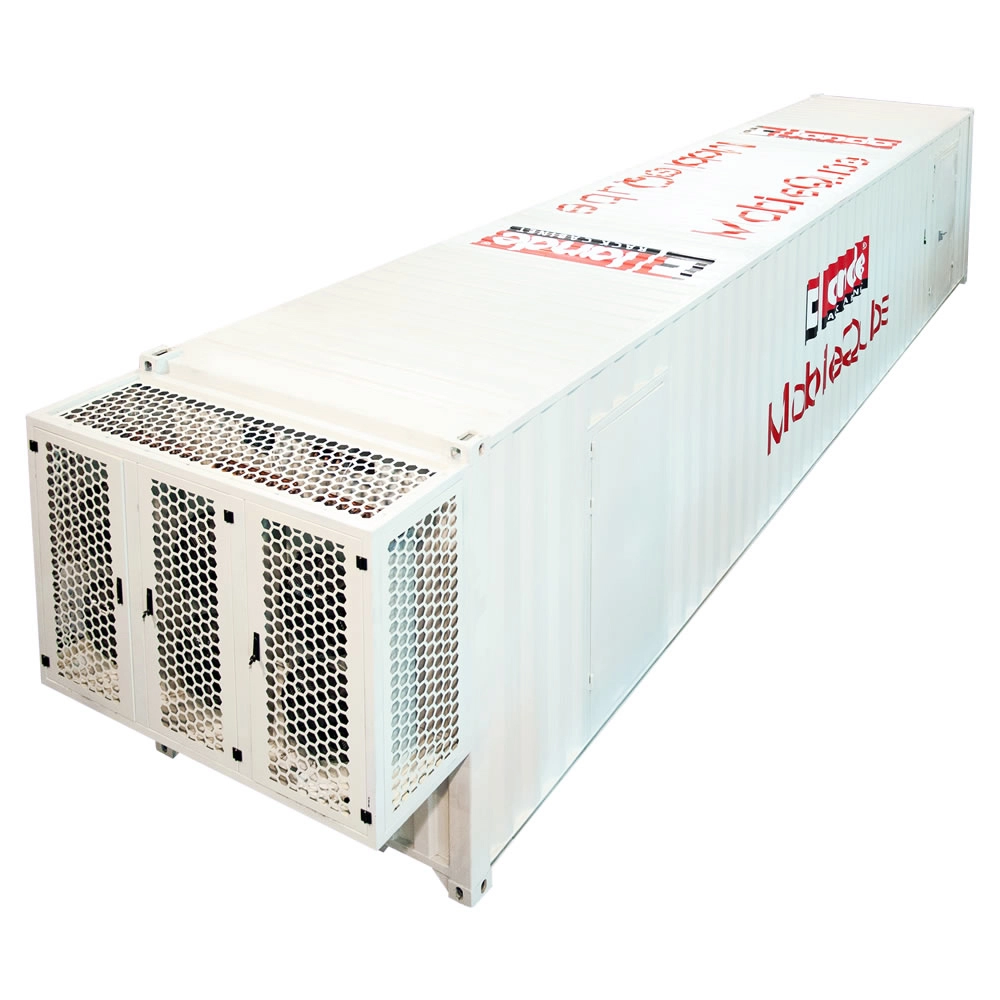
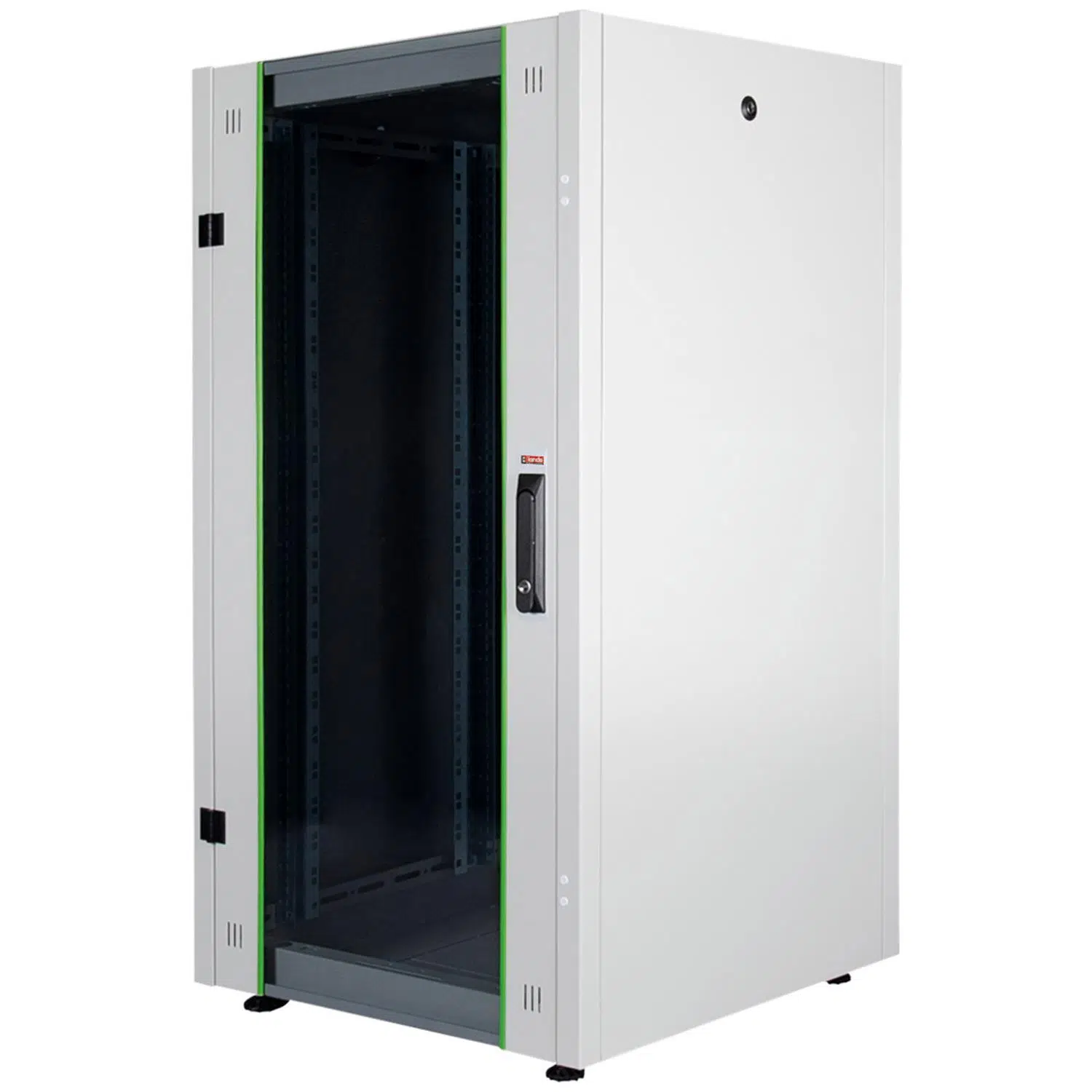
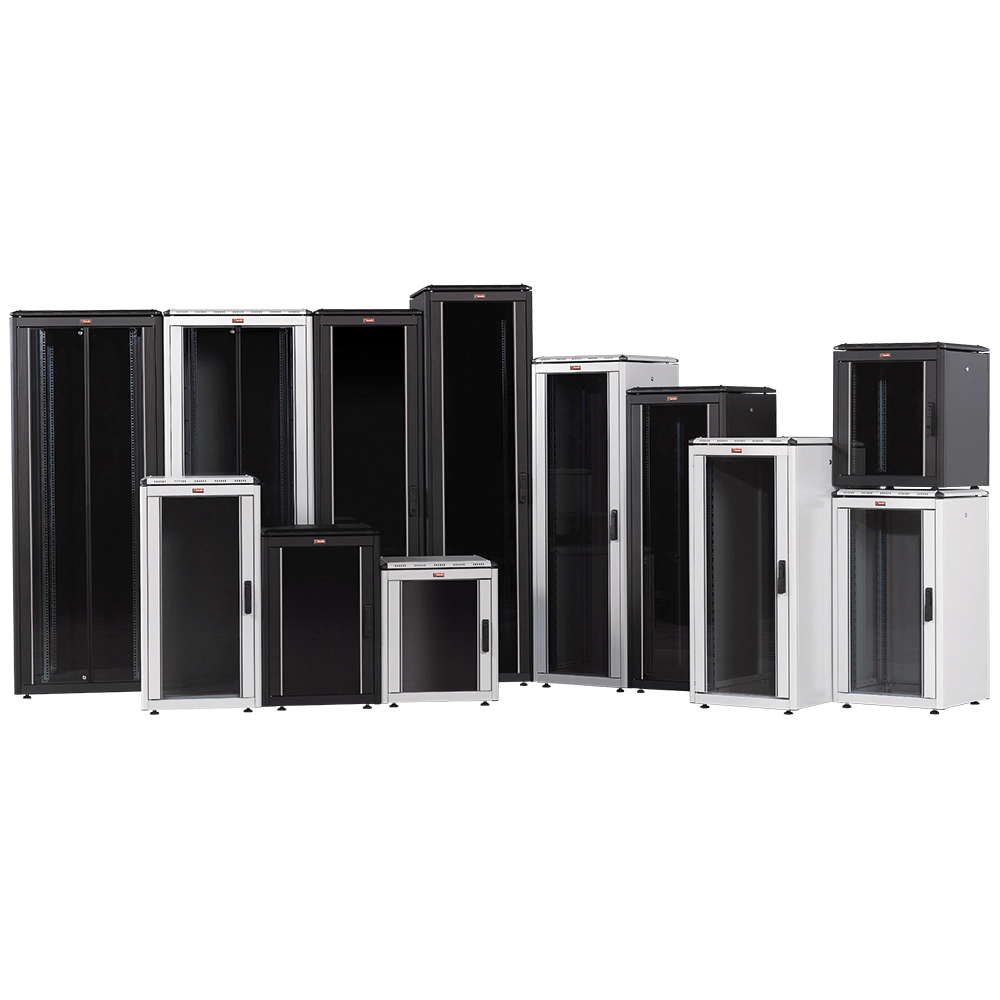
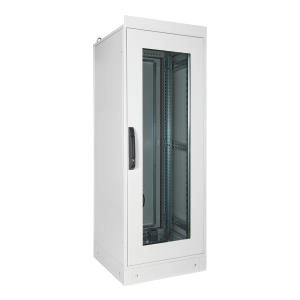
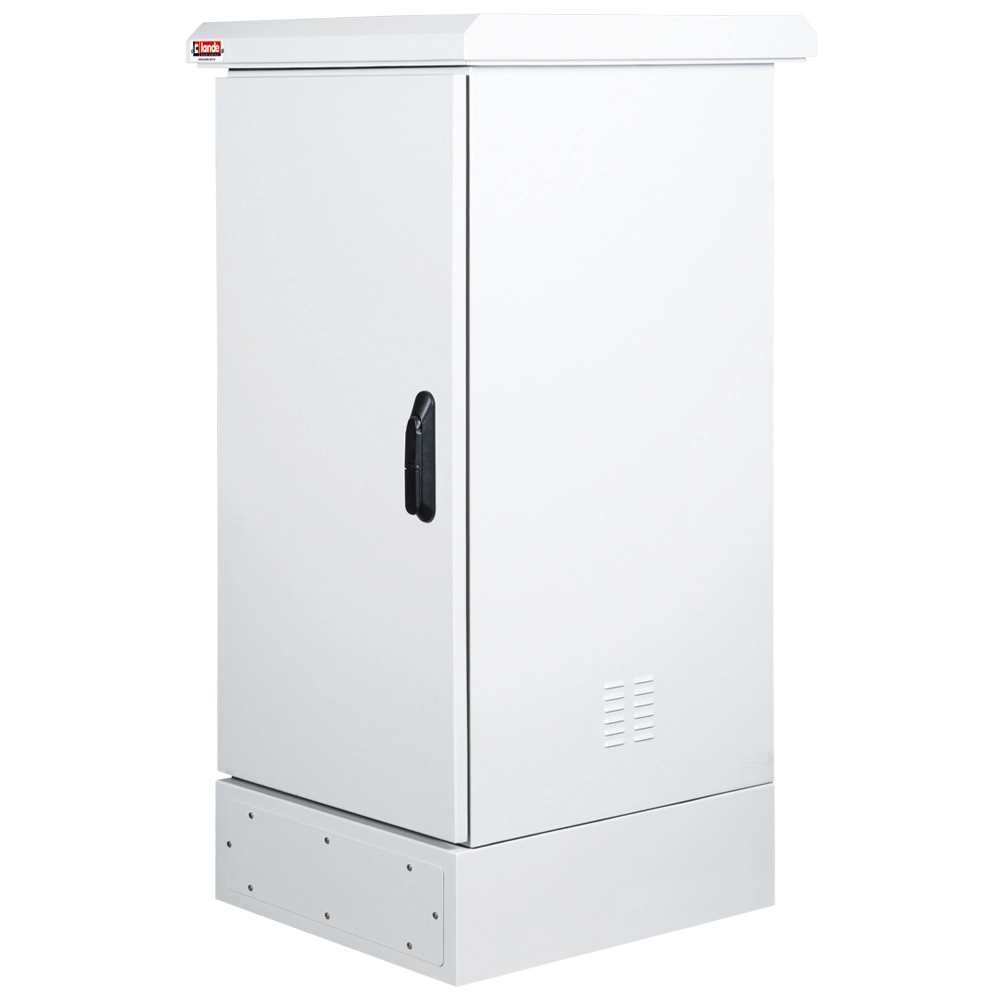
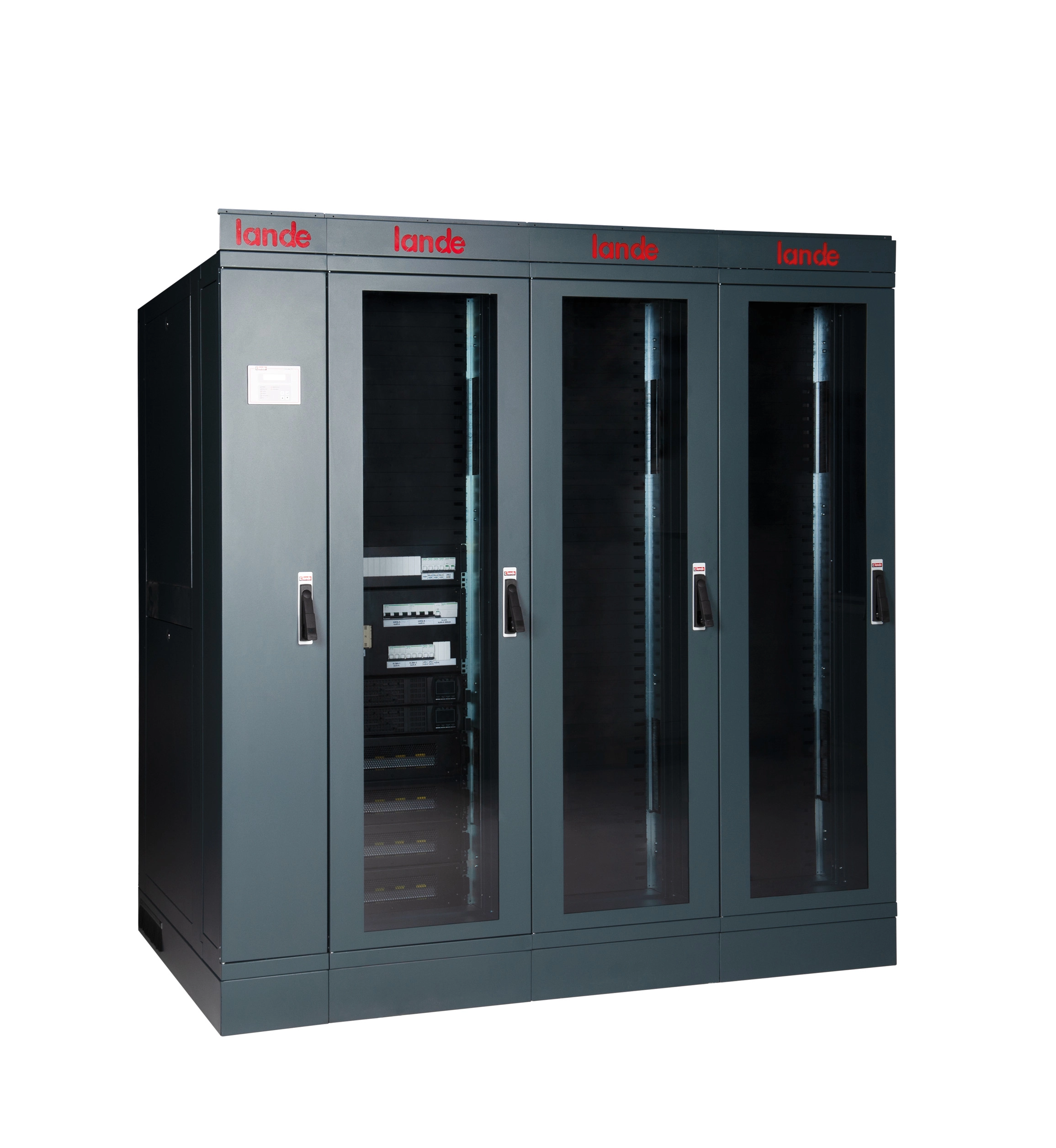
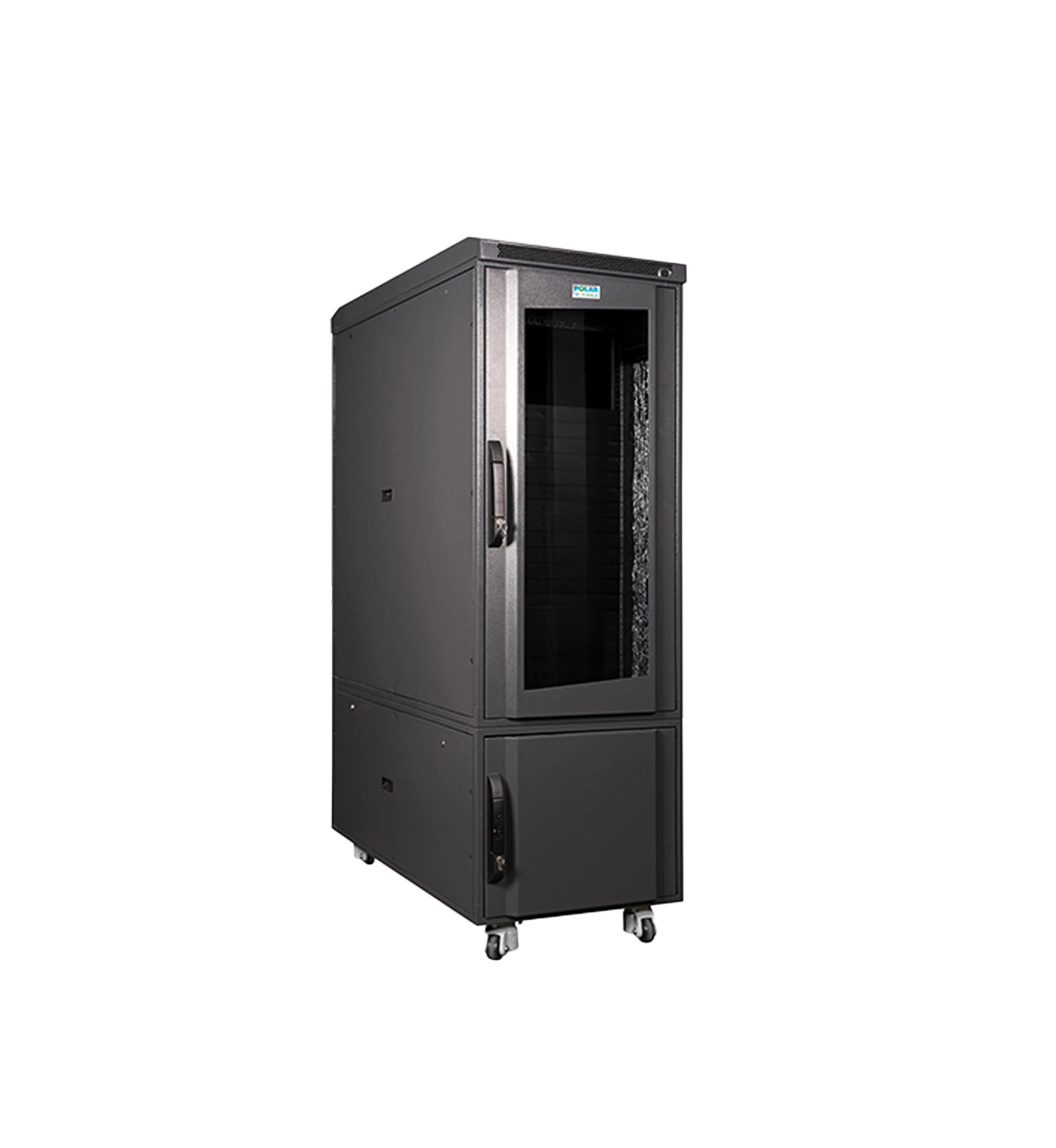
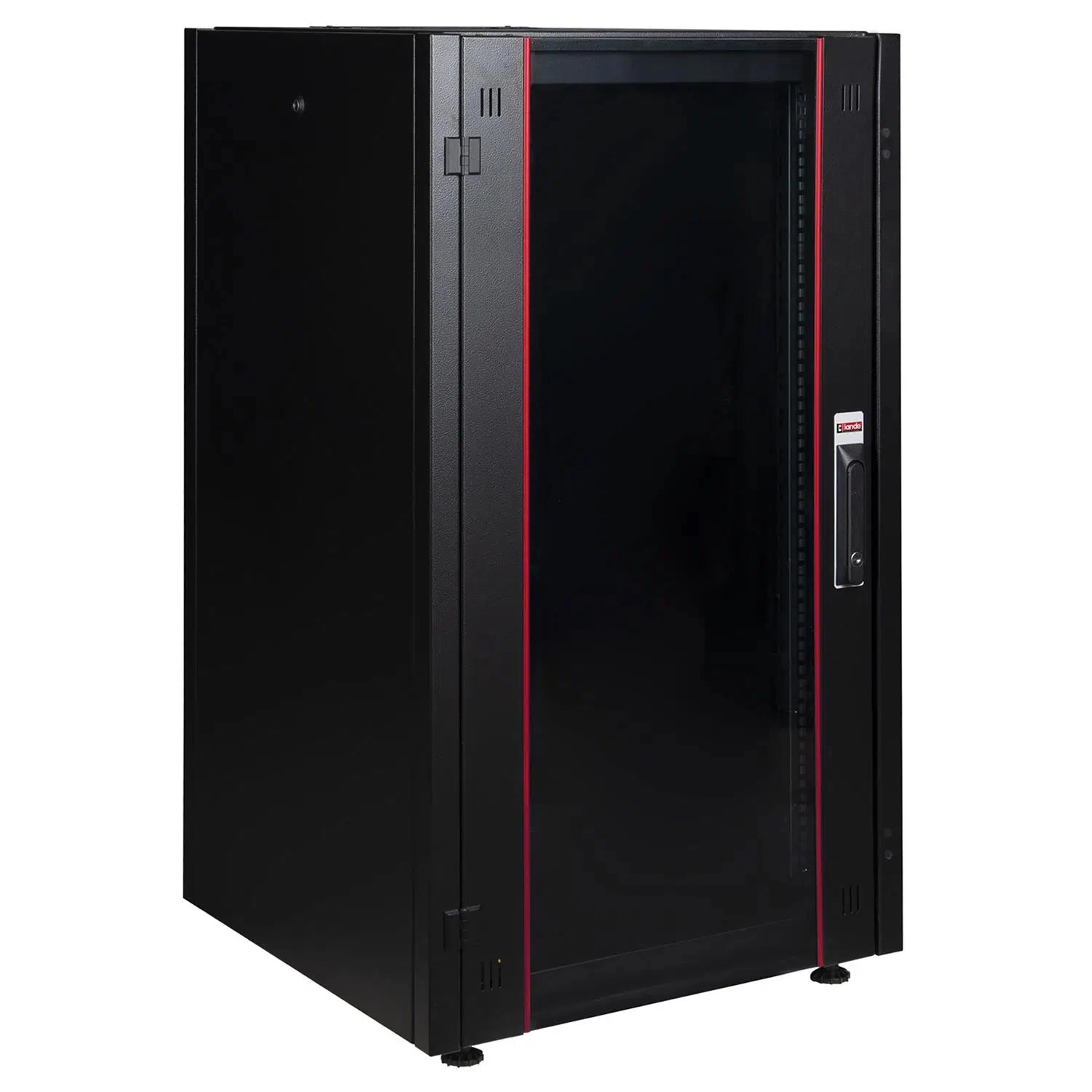
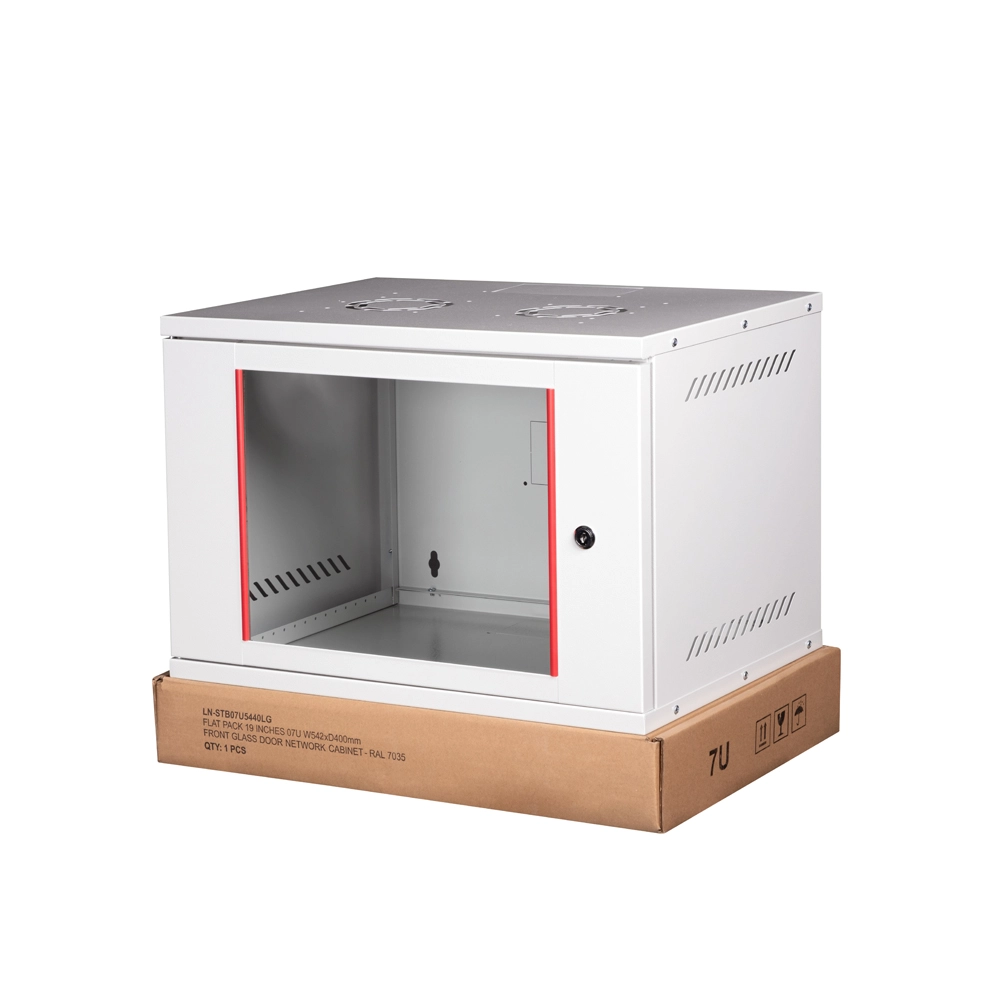
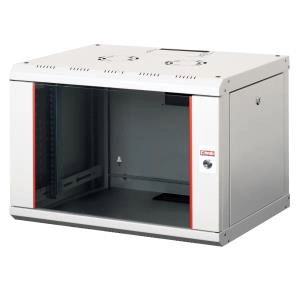
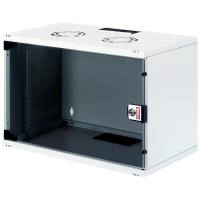
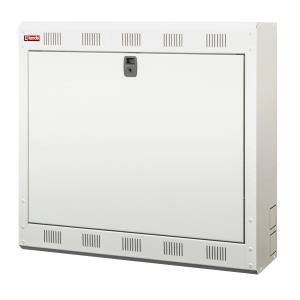
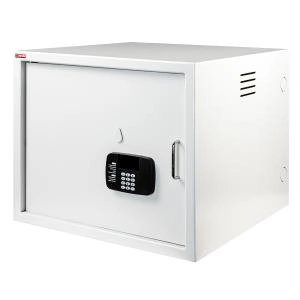
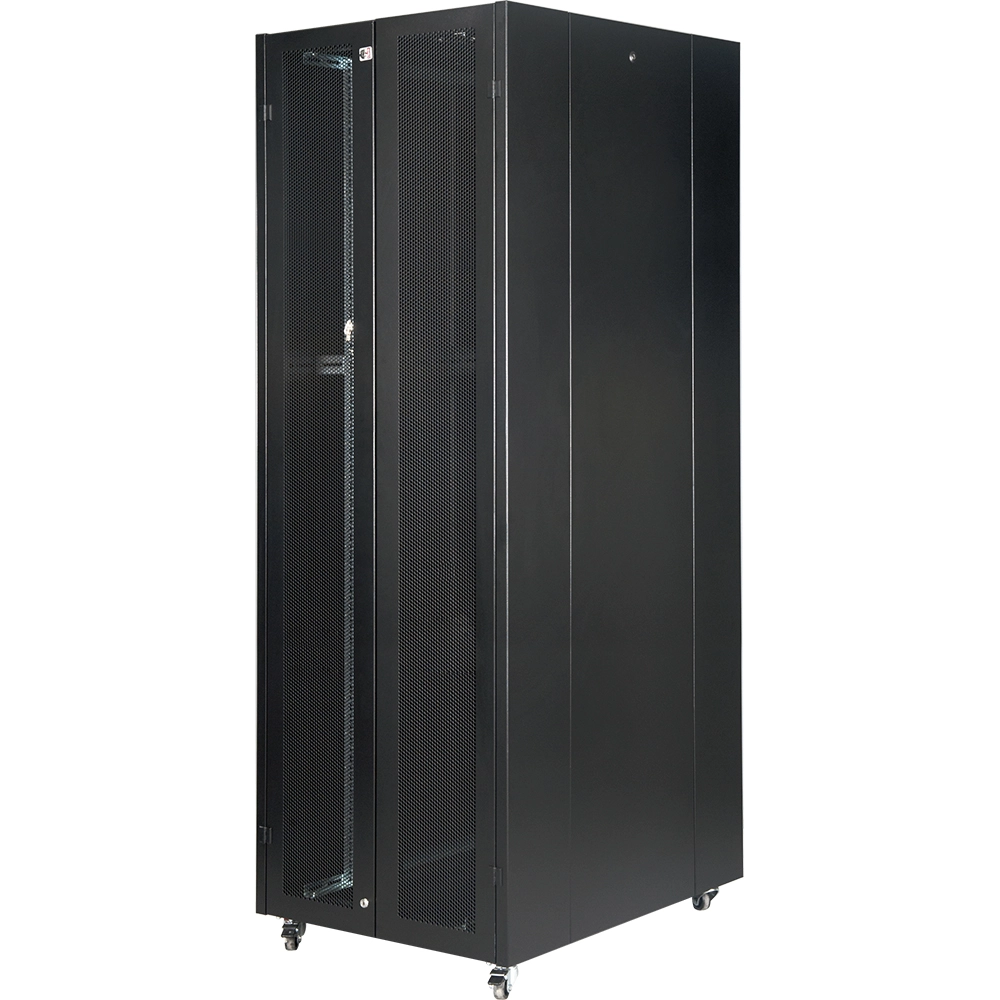
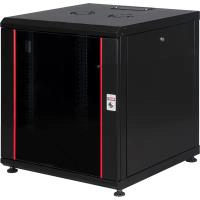
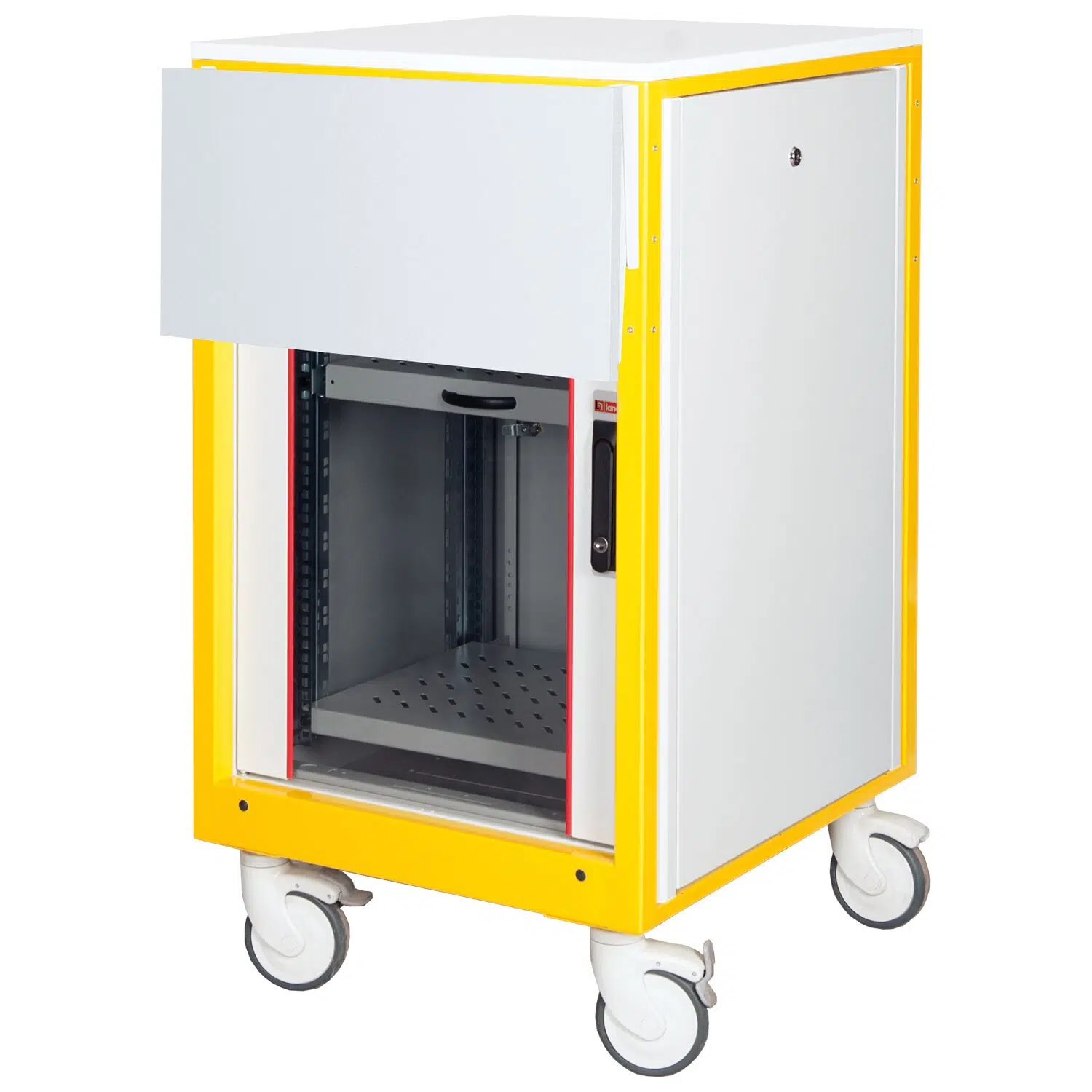
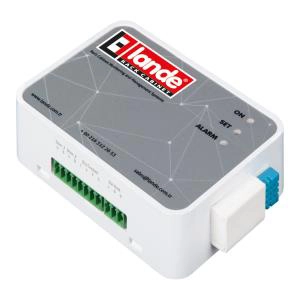
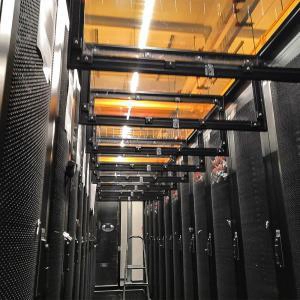
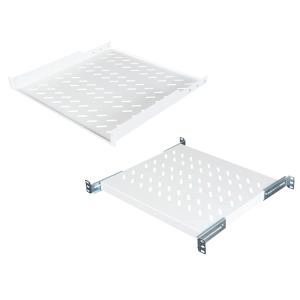
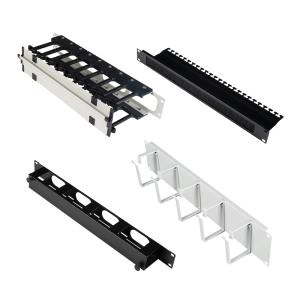
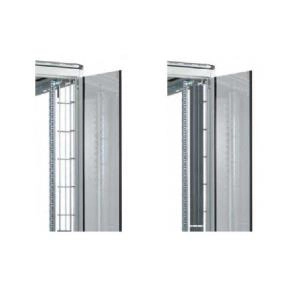
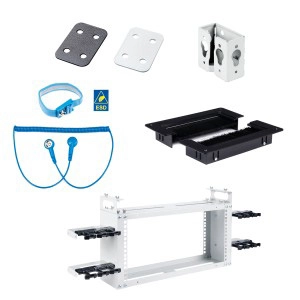
    Modern DRC environments require IT equipment to be housed securely, organized efficiently, and accessible rapidly. The T.R.O.Y.A (Next Generation Datacenter Cabinet) system developed by LANDE is a purpose-built solution for exactly these demands.

    T.R.O.Y.A acts as the backbone of any DRC infrastructure — keeping data center equipment secure, organized, and always accessible.

    Seismic Resistance — Special seismic platform protects equipment during earthquakes

    High Density — Maximizes rack unit utilization within limited floor space

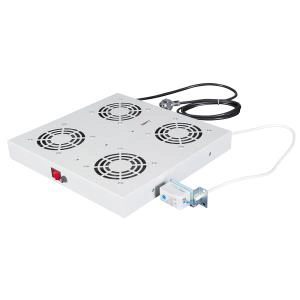
    ️ Smart Airflow — Optimizes cooling efficiency with managed airflow design

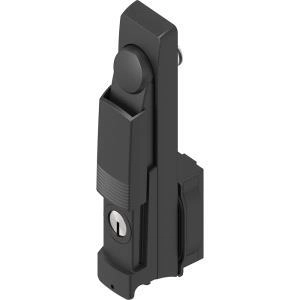
    Physical Security — Electronic locks and access control for all critical equipment

    resim4-9g9zr.jpg

    Conclusion

    A Disaster Recovery Center is a mission-critical system for safeguarding an organization's digital assets. With correctly defined RTO/RPO parameters, the right technology stack, and regular testing, organizations can maintain business continuity under any disaster scenario.

    Given Turkey's seismic risk, DRC investments are no longer optional — they are a mandatory operational necessity. Following the example of Istanbul Metropolitan Municipality, both public institutions and private-sector organizations should develop and implement their own DRC strategy.

    "Every second of downtime costs money, trust, and reputation. A DRC does not just protect data — it protects the business itself."


    03.02.2026
    Today, 3 times viewed.
    Menu
    Back to Top
    Cart (

    0

    )
    There are no products in your cart.
    If you want to buy a product, go to the product page you want to buy.
    Shop